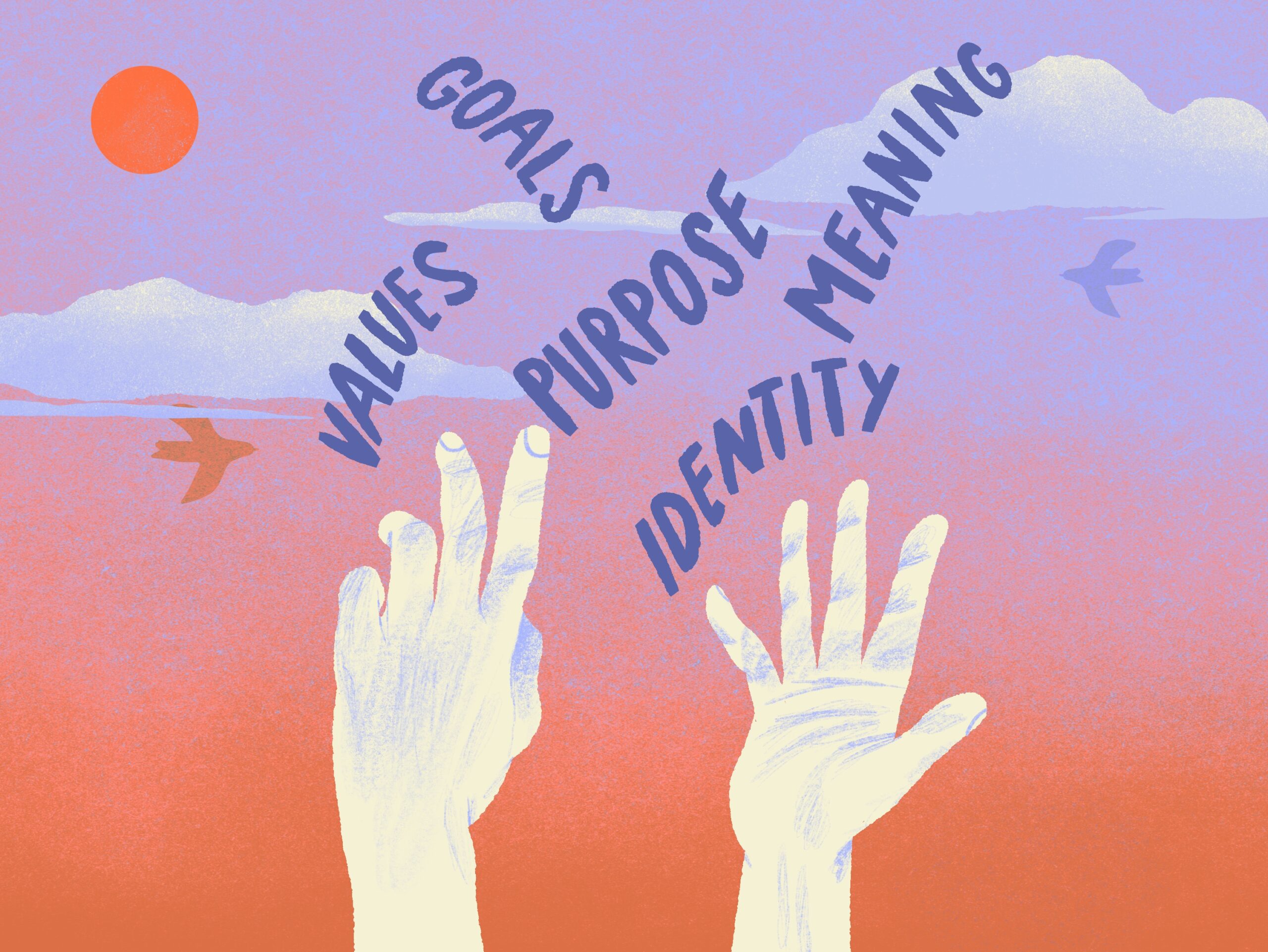
Find Your Purpose, if You Know What That Means

Listen to this article

Purpose is a ubiquitous word these days on college campuses. From solicited statements on applications, to alignment with one’s major, to leadership and career development, purpose is popping up in nearly every domain in higher education. There is an entire field dedicated to purpose in the social sciences and abundant research as to its benefits, and yet, what does purpose really mean to someone who is 18, or 20 or 25? 

Answering that question and applying it in the university setting has become the life’s work of Anthony (Tony) Burrow, a developmental psychologist and professor at Cornell University who runs the Purpose and Identity Processing Lab. He and his team of doctoral students are building a foundation of scientific evidence, measurement, and translation that informs the understanding of purpose so it can be incorporated into people’s lives, particularly adolescents and emerging adults. 

“Research on this topic is growing and the evidence so far is clear that having a sense of purpose promotes health and wellbeing, longevity, stronger relationships, and even increases one’s earnings,” he said. “But too few of us on college campuses are familiar enough with this literature to use it effectively to engage students in courses and experiences.”

Part of the problem is the varying definitions of purpose and the way young people are assumed to know what it is and how to incorporate it into their lives. From Aristotle to Einstein to Stanford’s William Damon, brilliant thinkers have put their mark on the term. But the rest of us, particularly the college students who are frequently asked about it, may only know it as a good thing to have or strive for without any practical application. “There is a tendency for people to assume everyone shares a similar understanding of what is meant by ‘purpose’, but when you really dig into things, people don’t always mean the same thing,” said Burrow. 

Burrow teaches a class called “Translating the Science of Purpose” to help decipher different interpretations of purpose. It starts with examining the deep body of literature around purpose: “its scholarly definitions, its demonstrated role in life’s outcomes, and what it is related to or unrelated to.” The second part of the class examines how we communicate about purpose, a powerful term that’s fluidity can be used to anyone’s advantage as often happens with political narratives. A collective sense of purpose can be called upon to evoke hope and change or a return to making things great again. 

“Purpose isn’t so much a north star as it is perhaps a compass.”

Burrow says exploring identity is an important step to understanding purpose, (hence the lab’s name), though, as a developmentalist, he is less concerned about who you are in the current moment than who you will eventually become. “We’re trying to unpack how people understand themselves,” he said. “How is that when people start to engage with the world around them, they are able to internalize some features to say ‘that’s me—that’s who I am.’ Yet, in other cases, engagements do not become meaningful aspects of ourselves? The intricacies of identity processes are fascinating.” 

For young people, these questions are particularly important, and often vexing. Burrow gives an example from his own background. “My grandfather grew up on a farm, with relatively few options of vocation available beyond being a farmer himself; and indeed he became one. For him, his identity and role were perhaps foreclosed due to lack of options. By contrast, identity may be much more of an asset today. For example, most universities offer long menus of majors and minors for young people to choose from. How should we expect they successfully navigate these choices if they don’t know something about who they are? Today, identity may be more of a requirement for navigating the experiential landscape.” 

Burrow says identity and purpose are linked, but identity is often confused with purpose when, according to Burrow, it is actually codified by it. “Identities are important because they reveal insights into a person’s motivations, interests, values, and goals,” said Burrow. “But alone, those things can be static and fixed in a particular time. Whereas a sense of purpose can organize and orient aspects of your identity toward the future, and make clearer the broader intentions that drive your behavior and decisions in everyday life.’”

Part of how the lab team defines and communicates about purpose comes from studying what they believe it is not. It is associated with altruism which is often an avenue on the purpose infrastructure but it is not a prerequisite to having purpose. Researcher William Damon defines purpose as a generalized intention to accomplish something meaningful to the self with consequences to the world beyond that. While Burrow respects the definition of his friend and colleague, he sees the prosocial aspects of this definition as but one type of purpose, among many other types available to people. A purpose could be imbued with many contents and motivations for pursuing it. Some of them will be socially desirable and others may be less so—but we shouldn’t diminish the impact of purpose for the person holding it by calling it something different. 

“By purpose, I don’t necessarily mean one role, or singular interest, or one ultimate value. Instead, purpose can be thought of as being capable of taking stock of all of those things when we put them together. It is a center of gravity for the various aspects of who we are and where we are heading. What does that look like? It looks bigger than merely setting goals.” 

Goals often get used interchangeably with purpose, but Burrow cautions against reducing them to synonyms. Whereas goals can be accomplished, doing so does not lend itself easily to knowing what ought to happen next. It is a sense of purpose that can help align goal pursuit and clarify that once a goal is achieved, which goals ought to follow. 

For Burrow, purpose is a continuous prospective state of mind – or, an intention – that propels you forward but is not ever actually accomplished. This is consistent with the theorizing of other purpose researchers like Todd Kashdan and Patrick McKnight, who articulated that purpose isn’t so much a north star as it is perhaps a compass. That is, it is a personal resource that allows you to move steadily forward through life in the direction you intend to set course. 

“To apply purpose in a practical way, the question we should be asking students is not ‘what is your purpose?’ but ‘when do you feel most purposeful?’”

On its web site, the Purpose and Identity Processing Lab states,“We believe everyone has the potential to cultivate a sense of purpose,” with links to research papers that chronicle how it can be done in a variety of settings. Burrow believes weaving purpose more thoroughly and explicitly into the tapestry of student experiences is critical work for colleges and universities. 

“Those of us privileged to work on college campuses have a front row seat to the development tasks of adolescence and emerging adulthood– observing how students answer questions like ‘who am I? what is my place in the world?, what will I contribute to it?’” said Burrow. “Without more intentionally engaging students’ sense of purpose we are leaving something important on the field. If we bother to ask students to articulate a purpose statement in admissions, why wouldn’t we ensure that we follow-up with them about how well we are helping them pursue it throughout their studies? To me, this seems absolutely vital.”

But fuzzy interpretations of purpose have allowed institutions to drop the ball on this. Evoking the term throughout the college experience might be good messaging but without the work behind it, purpose is more of a platitude than the self-organizing benefit Burrow describes. To apply purpose in a practical way,he believes the question we should be asking students is not “what is your purpose?” but “when do you feel most purposeful?” The question for colleges should then be “under what conditions on this campus do people feel most purposeful?” That way, patterns of behaviors and routines that lead to purposefulness can be identified, replicated, and more strategically integrated with course contents and experiential opportunities. 

Burrow says that Gen Z students are ripe for this kind of intervention. He and his team run the Contribution Project where students at Cornell, and now neighboring SUNY schools, offer ideas on who or what they would contribute to if given $400 to pursue their idea. One student identified buying plane tickets for their roommate’s parents who couldn’t afford to come to graduation. Expecting a handful of students to sign up when he first introduced the idea, Burrow was pleasantly surprised that close to 200 students responded. He now invites administrators, faculty and staff to participate in an end of project showcase event to provide a window into the ways students see themselves contributing. “We could be building classes and programs around what students showed us they want to do in the world. Above and beyond their role as students, leveraging their emerging identities as contributors may provide inroads into deepening their learning and connections with key concepts.”
Let Them Scream!

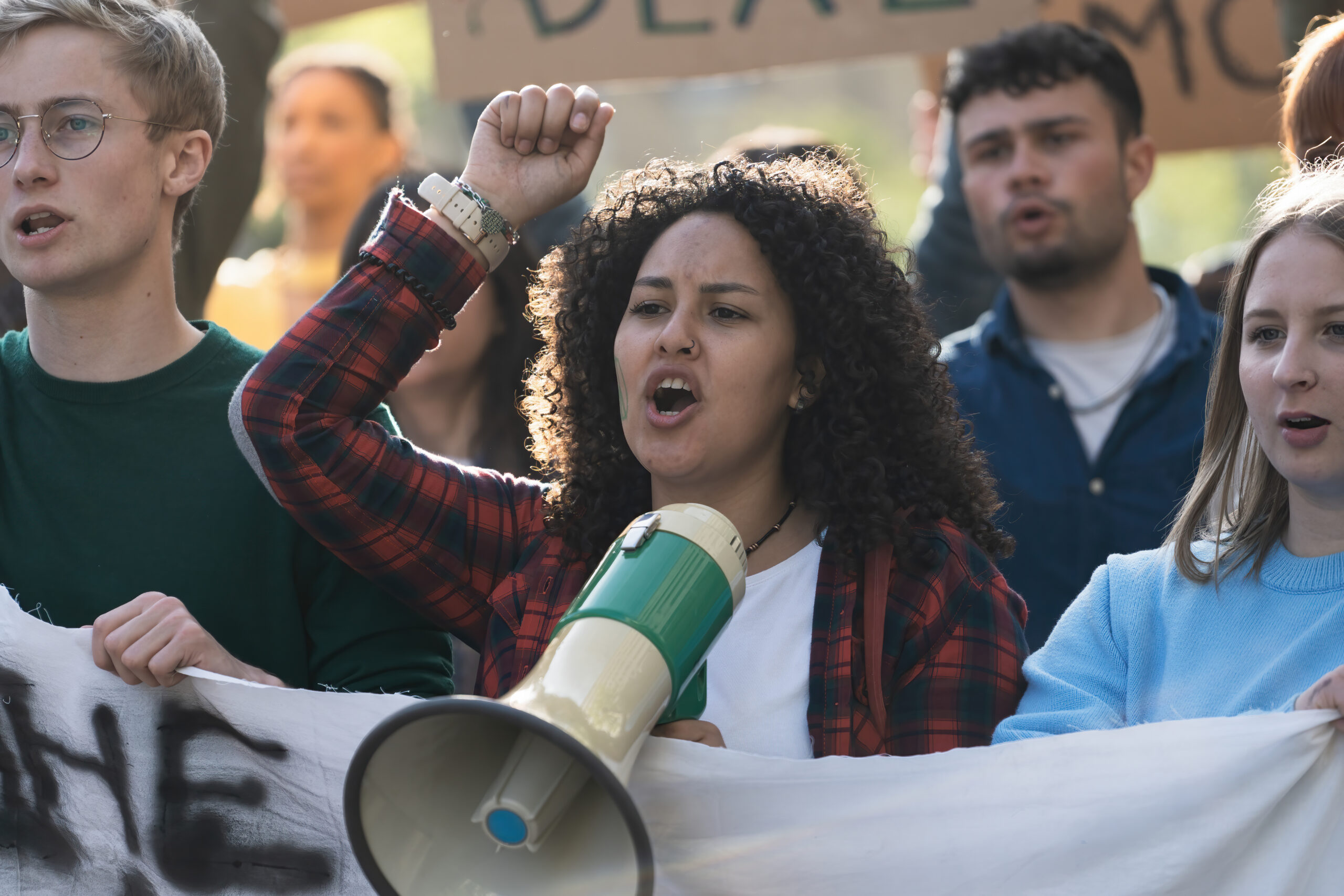
On campuses and in communities worldwide, students and young adults are protesting in the name of justice. Over the past ten years, we have seen college students protest after officer-involved deaths of Black Americans, for climate justice, and for the rights of women domestically and globally. While the hearts of students and community organizers are warmed at the sight of students protesting, for many higher education administrators, campus protests raise concern. Concerns that students will destroy property, students will physically clash with other groups or campus police, or that students will disrupt the learning environment. In turn, many administrators attempt to quell protests before they get started. The irony is that many of our current higher education administrators were once student protesters themselves. Some were silenced by their administrators, while others persisted amid attempts to silence them. So why silence the efforts of today’s students? 

Students have been protesting and exercising activism strategies on college campuses since the 1960s. During the Civil Rights Movement, college students were involved in the Student Nonviolent Coordinating Committee (SNCC), and they were instrumental in their communities and Freedom Summer(McAdam, 1988). Students protested the Vietnam War and Apartheid in South Africa. Many students who participated in protests during the 1960s, 1970s, and early 2000s have become state and federal legislative leaders and higher education administrators. I argue that while many former protesters might not participate in protests or demonstrations anymore, many still participate in other forms of activism. They intentionally choosenot to support private sector businesses that do not align with their values (boycotting), sign petitions, donate their time and resources, and/or use their platforms and spheres of influence to advance justice whenever possible. 

Some of the Boomers or Gen X-ers, who serve in many higher education leadership roles, might say that the world has become more violent and that protesting on campuses can quickly get out of control. While these concerns might prove legitimate in some cases, these instances should be treated as outliers and not the norm. I offer that persons (administrators, parents and families, or community members) might be equating protests with riots. Riots specifically involve violent features such as the destruction of property and are often not connected to a broader justice-oriented goal. Conversely, many protests are peaceful and empowering spaces, including those that our current college students attend and organize. 

Late millennials and Gen Z-ers currently populate our campuses. The issues they are facing are not new, such as calls for racial justice among minoritized racial and ethnic groups, war, and the erasure of women’s reproductive rights. What is different is that the United States of America they are experiencing is the most divided we have seen in decades, and extremism is a constant presence in our socio-political environment. If the world they are facing is reaching such a critical point, why would we quell their voices? 

Dr. Samantha Smith

Research has shown that participating in protests can increase students’ sense of belonging, identity development, and positive mental health outcomes.

Allowing students to scream in the name of advancing justice is deeply aligned with the values of higher education. Research has shown that participating in protests can increase students’ sense of belonging, identity development, and positive mental health outcomes (Smith et al., 2023; Hope et al., 2018; Ballard & Ozer, 2016). In higher education, we want students to feel like they belong to a community. Participating in activism, such as protests, allows students to be in a community with other people who share their same values and can provide them with meaningful connections to others. Being in community with others can promote feelings of racial pride (Phoenix, 2020). Additionally, protests can act as a source of education and exposure that allows students to develop a sense of how they want to influence their communities during or after college. Students might also garner feelings of hope and empowerment(Smith et al., 2023; Ginwright & James, 2002). Hope and empowerment have been shown to be protective mental health outcomes (Griggs, 2017). Protests also provide an emotional catharsis for students (Smith et al., 2023; Ballard & Ozer, 2016). 

The elements of protesting that help to generate these positive attributes are the ability to gather around a shared cause and to freely use their voices at whatever volume they choose (Smith et al., 2023). Also, hearing from speakers or hearing the stories of others impacted by the subject of the protest enhances the communal experience (Smith et al., 2023). 

We must use strategies to help students engage in conflict with love and empathy in their hearts.

While many institutions might argue that students should use traditional forms of civic engagement to exercise their voices, I argue that activism and civic engagement are not in contrast. In fact, these two concepts must work together intimately to truly advance justice. Disruptive forms of activism, such as protests and demonstrations, are used to grab the attention of lawmakers and those in positions of power. Civic engagement can capitalize on the work of activism to increase voting and discourse with change-makers. Similarly, higher education administrators can support student protests and uphold institutional values. 

I hope today’s administrators who were once protesters, and those who still protest, will remember how it felt to scream for what they believed in. Administrators must encourage students to use their voices. However, with the increased knowledge and insight about the mental and physical toll of fighting for justice, administrators must also encourage students to practice self- and community care during and after protest participation. 

Supporting an environment where students are encouraged to engage in activism, such as protesting, does not mean we abandon the values of our institutions. We must denounce and challenge actions and ideas such as discrimination and bigotry. In some cases, we must acknowledge that there are two sides to an argument and that multiple truths can exist simultaneously. We cannot erase the pain of history. However, we also cannot allow difference and conflict to make us forget our humanity or believe that change is impossible. We must use strategies, such as restorative practices and intercultural dialogue, to help students engage in conflict with love and empathy in their hearts.

References

Ballard, P. J., & Ozer, E. J. (2016). The implications of youth activism for health and well-being. In Contemporary youth activism: Advancing social justice in the United States (pp. 223–243). ABC-CLIO.

Ginwright, S., & James, T. (2002). From assets to agents of change: Social justice, organizing, and youth development. New Directions for Youth Development, 2002(96), 27–46.

Griggs, S. (2017). Hope and mental health in young adult college students: an integrative review. Journal of psychosocial nursing and mental health services, 55(2), 28-35.

Hope, E. C., Velez, G., Offidani-Bertrand, C., Keels, M., & Durkee, M. I. (2018). Political activism and mental health among Black and Latinx college students. Cultural Diversity & Ethnic Minority Psychology, 24(1), 26–39.

McAdam, D. (1988). Freedom Summer. Oxford University Press.

Phoenix, D. L. (2020). Black hope floats: Racial emotion regulation and the uniquely motivating effects of hope on Black political participation. Journal of Social and Political Psychology, 8(2), 662–685.

Smith, S. A., Arria, A. M., Fryer, C. S., Roy, K., Green, K. M., & Dyer, T. V. (2023). “It Just Felt Nice to be Able to Scream”: A Qualitative Examination of the Experiences of College Students Participating in the Black Lives Matter Movement. Journal of Adolescent Research, 07435584231202216.

Equal Measures

Thomas C. Katsouleas is a professor of electrical and computer engineering and physics at the University of Connecticut, where he was the 16th president. He is also a member of the Coalition for Transformational Education, an organization dedicated to fostering opportunities for life-long wellbeing through higher education.

It is widely reported that public confidence in higher education is in decline, the reasons for which consistently line up around affordability and value. Given steep tuition increases and the resulting student debt burden, it is understandable that Americans are questioning whether pursuing a college degree is worth the investment. What is missing, however, in the increasingly polarizing debate about the value of higher education is the opportunity for colleges to improve a person’s life-long wellbeing as well as engagement in career.

As a long-term academic and former college president, I have come to believe that career development and human development are intrinsically linked and not the competing forces colleagues on both sides of this argument would like us to think.  This is not based on a specific liberal arts perspective or on a romantic notion about campus traditions that lead to “the best four years of our lives.” Rather, our understanding of these mutually reinforcing dynamics stems from data that show that what we teach and how students learn influence both their level of career engagement as well as their sense of wellbeing.  It should not be surprising that these two outcomes are linked and together determine whether graduates view themselves as flourishing adults.

Since 2014, Gallup has measured the post-graduation outcomes of a nationally-representative sample of more than 100,000 US college graduates, showing a link between those life and career outcomes to key experiences alumni had as undergraduates.  Through the Gallup Alumni Survey (formerly the Gallup-Purdue Index), Gallup finds alumni who had experienced the “big six”: those who have had three key supportive experiences with faculty and mentors and participated in three experiential education opportunities are significantly more likely to be thriving in their post-graduation lives and their careers.  The criteria for “thriving” is based on Gallup’s five dimensions of wellbeing (career, social, financial, physical, and community), all of which were influenced by how they experienced college.

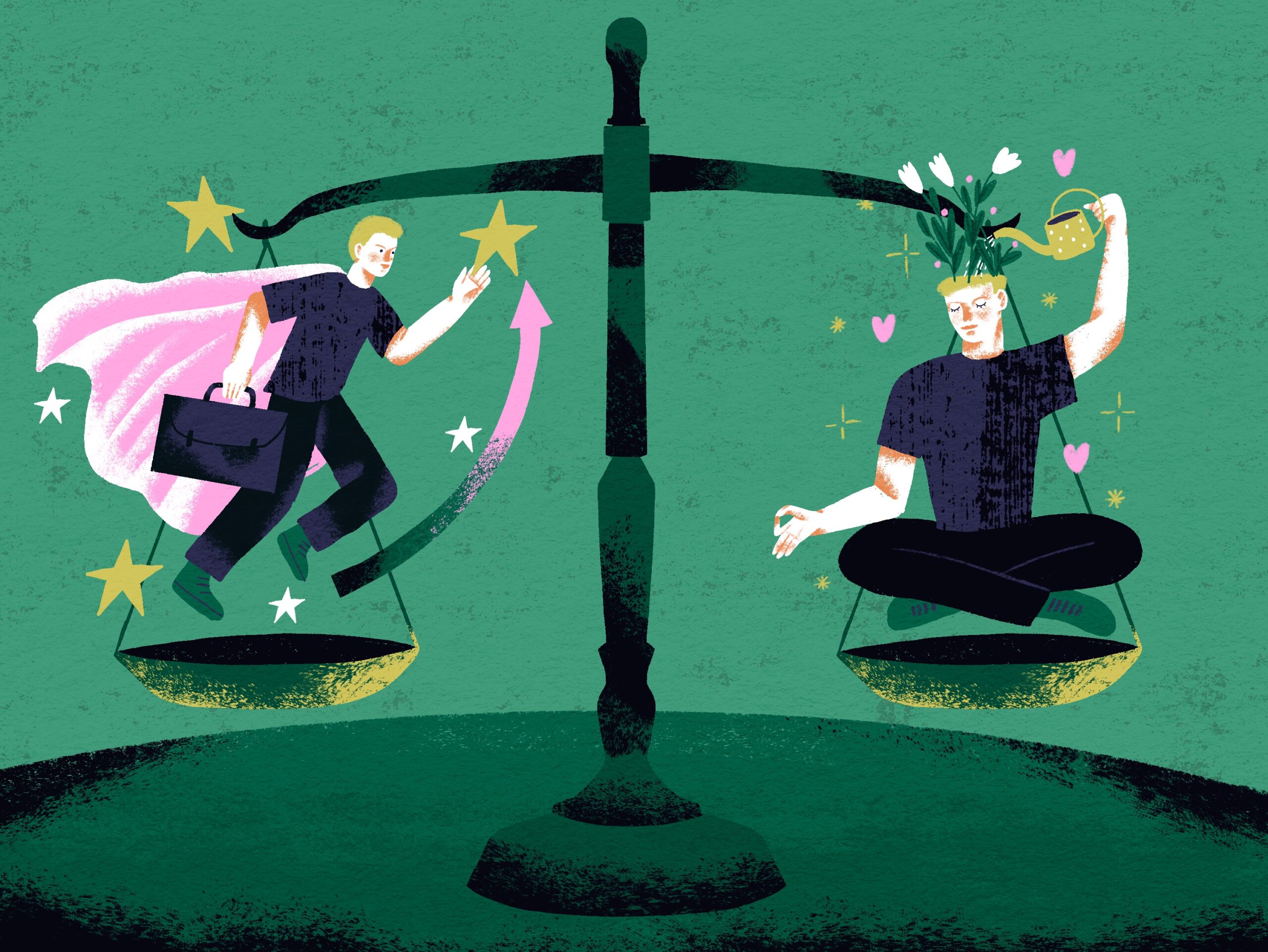
Is college only about getting a job, or can it also be the foundation for a life well lived and a career that brings meaning, as so many graduates say is important to them?

These experiences include emotionally supportive mentoring and opportunities for students to connect curriculum and classroom work to real-world problem solving. The Gallup Alumni Survey results show that graduates who reported having had meaningful experiential learning and reported that “someone cared about me as a person” were more than twice as likely to report high levels of wellbeing and work engagement later in life. (Additional data show that highly engaged teams produce 21% greater profitability, providing a check in the societal ROI column.) Unfortunately, the data also show less than 5% of college graduates surveyed strongly agreed that they had both of these experiences while an undergraduate student.

These findings were reinforced in another study conducted by Gallup in partnership with Bates College designed to explore the extent to which college graduates seek purpose in their work and to identify the college experiences that align with finding purpose after graduation. The study found that 80% of college graduates say that it is extremely important (43%) or very important (37%) to derive a sense of purpose from their work. Likewise, the study showed that graduates with high purpose in work are almost ten times more likely to have overall wellbeing. Again, the disappointing caveat to this information is that less than half of college graduates reported succeeding in finding purpose in their work.

Put in this context, the life-altering decision about whether to go, or send your kid, to college becomes more complex: is college only about getting a job, or can it also be the foundation for a life well lived and a career that brings meaning, as so many graduates say is important to them? We are starting to see evidence of how high impact practices, like project-based learning that connects curriculum to real-world problem solving, is empowering for students. This type of relation-rich education, and a stronger focus on mentoring and teaching generally, increases identity, agency and belonging in current students—all of which we know can lead to improved mental health.  From my experience, this can happen just as easily at Santa Monica Community College, where I received my first degree, as it can at Duke, UVA or UConn where I held leadership positions.

Less than half of college graduates reported succeeding in finding purpose in their work.

According to the National College Health Assessment, 60% of college students reported experiencing one or more mental health challenges in the last year. Mental health has become a major driver in dropping out of college, leading to one of the most egregious consequences in the college ROI debate: the large percentage of students who are loaded with debt for degrees they never received. If we are the heed the US Surgeon General Vivek Murthy’s warning that mental health challenges are leading to “devastating effects” among young people, we need to look to every community, including higher education, that can foster the kinds of connections and experiences that will improve mental health and wellbeing.

This is where the real examination ought to occur.  Given the data on what little opportunity there appears to be for the big six experiences in college that lead to wellbeing, as well as the low numbers on those who find purpose in career despite their desire, higher education needs to face a sobering fact: Perhaps the question is not: “Should people go to college?” But “Is college giving people the kind of learning and life experiences that we know to be truly valuable?”

Counselors’ Concern

Eric Wood currently serves as the Director of Counseling & Mental Health at Texas Christian University. With over 16 years of experience in college mental health, Dr. Wood founded TCU’s innovative Comprehensive Collaborative Care Model and has helped train over 100 colleges and universities to implement various aspects of the nationally recognized program. Dr. Wood serves on LearningWell’s Editorial Board.

As more states move to eliminate diversity, equity, and inclusion (DEI) programming, there is one consideration that should be placed above political ideology: student mental health.  No matter how sensitive or controversial an issue is, student counseling centers on college campuses see to students’ mental health needs without judgement, and this is true for any issue. Yet new laws recently passed by the 88th Texas Legislature reflect a very specific point of view which threatens to compromise what the data show are best practices in college mental health.

The first law is Senate Bill 17, which prohibits public colleges and universities from having diversity, equity, and inclusion offices and policies. It specifically states that these schools cannot conduct any “training, programs, or activities designed or implemented in reference to race, color, ethnicity, gender identity, or sexual orientation…” When SB17 was introduced, it included an exemption for “health services provided by licensed professionals at an institution of higher education.” This part of the exception was removed, which was surprising to those of us in college mental health.   

Eric Wood, PhD
Eric Wood, PhD

Health care professionals need to talk about and provide outreach specific to race, ethnicity, and gender identity. The Texas State Occupational Code even requires licensed mental health care providers to obtain bi-yearly Continuing Education Units on multicultural issues. This is because appropriate interventions address identity. Senate Bill 17 allows schools to focus on first-generation students, students with low-income, or students in underserved populations. However, students do not define their identity by these concepts, and many mental health concerns relate to identity.

This is particularly concerning given the mental health crisis we continue to combat. The majority (73%) of college students reported moderate or severe psychological distress in 2021, according to the National College Health Assessment, and according to the National Healthy Minds Study, 60% of college students reported experiencing one or more mental health challenges in the last year. 

Meanwhile, experts like Sara Abelson, PhD, MPH, Assistant Professor and Senior Director at the Hope Center at Temple University, present significant research showing that sense of belonging in schools in general, and in college in particular, is protective for adolescent mental health and acknowledging and valuing one’s identity is a strong predictor of belonging.[1] Lack of perceived belonging is associated with a host of negative psychological outcomes and is a critical risk factor for suicide.[2] Conversely, strong sense of belonging has been shown to be a predictor of flourishing (or positive mental health) (Fink, 2014), particularly among African American college students. (Mounts, 2004).

“Health care professionals need to talk about and provide outreach specific to race, ethnicity, and gender identity.”

Senate Bill 17 is not only at odds with what the data show is effective, it is confusing and difficult to accommodate given other mandates such as the recent passage of House Bill 906. This bill requires that institutions of higher education provide students with information about mental health services and suicide prevention efforts on campus. This information must include education about “appropriate interventions” for a person considering suicide. Since it’s well established that individuals of various races, ethnicities, gender identities, and sexual orientations have higher rates of suicide, suicide prevention efforts need to address these groups. However, according to Senate Bill 17, providing direct outreach for these domains on campus might be perceived as excluding other students, so many counseling centers’ staff are thinking that they won’t be allowed to do this.  

The 88th legislature did not intend to, and does not want to, hinder the ability of licensed health care providers to prevent possible suicides, or any other negative outcomes, on campus. Some might argue that there’s no contradiction between Senate Bill 17 and House Bill 906. I can attest that many directors of student counseling centers are confused, if not deeply concerned. If anything, clarification is needed about what licensed health care professionals can do regarding interventions that are specially designed for high-risk groups. The fact that health-care providers were originally exempt from Senate Bill 17 indicates that there was, at one point, awareness for these concerns.


[1] Anderman, 2002; Baumeister & Leary, 1995; Fink, 2014; Haas, Silverman, & Koestner, 2005; Osterman, 2000

[2] Choenarom, Williams, & Hagerty, 2005; Galliher, Rostosky, & Hughes, 2004; Hagerty, Williams, Coyne, & Early, 1996; Pittman & Richmond, 2008; Van Orden et al., 2008; Freeman et al., 2007; Gummadam, Pittman and Ioffe, 2016

The Duke Resiliency and Well-Being Project

Larry Moneta, EdD, served as vice president for Student Affairs at Duke University from 2001 to 2019, when he retired to a life of consulting, teaching, and grandparenting. Dr. Moneta serves as adjunct professor at the University of Pennsylvania Graduate School of Education and teaches in the Global Higher Education Management program and the Executive Doctorate Program for Higher Education Management. He can be reached at lmoneta@gmail.com.

Sometimes, it’s all about choosing where to eat. On this particular day in 2012, I was deciding between a couple of places on the Duke University campus, with just enough time between Board of Trustee sessions to grab a bite. Fortuitously, I elected to grab a bagel in a venue in the student union where the president and vice president of The Duke Endowment (this is the Duke family endowment…not Duke University’s) also happened to be eating. At their invitation, I joined them where we engaged in a fascinating and, what would eventually become a significant, conversation about the status of students’ mental health.

The leadership of the Duke Endowment had apparently been following the news of rising suicides, greater expression of vulnerability and declining overall mental health of students and wondered to what I attributed all of this. I shared my thoughts which included concerns about over-protective parents, over-scheduled children, excessive use of technology and social media, overwhelming and global news dissemination, persistent and pronounced hate incidents, and more. In response to questions of solutions to this crisis, I offered vague but unclear ideas about population-level, preventative interventions rather than simply relying on more counselors and other forms of distress response efforts. We began focusing on resiliency-building techniques rather than disease response approaches.

Larry Moneta, EdD

At the urging of my luncheon colleagues, I began to develop a proposal for a research study that would lead to the development of population-level interventions to strengthen students’ resiliency. Over the course of that year, this idea germinated into a multi-million-dollar proposal that involved nearly 20 faculty and administrators, engaged four colleges and universities, and focused on tracking the undergraduate class of 2018 through their entire collegiate experience. The Student Resilience and Well-Being Project collected data on more than 6,600 variables across 11 waves of data collection from more than 2,000 students.

Unfortunately, just as our efforts to summarize and disseminate our findings were about to happen, the Covid crisis hit, and all attention was justifiably diverted to addressing that pernicious situation. Ironically and alarmingly, the post-Covid conditions on college and university campuses make this work even more important and valuable. According to the American Psychological Association:

“By nearly every metric, student mental health is worsening. During the 2020–2021 school year, more than 60% of college students met the criteria for at least one mental health problem, according to the Healthy Minds Study, which collects data from 373 campuses nationwide (Lipson, S. K., et al., Journal of Affective Disorders, Vol. 306, 2022). In another national survey, almost three quarters of students reported moderate or severe psychological distress (National College Health Assessment, American College Health Association, 2021).”

The article goes on to identify a variety of approaches campuses are taking to address this issue. Unfortunately, most efforts seem more reactive than proactive, requiring more and more precious resources which have begun to dwindle as Covid emergency relief funds dissipate.

In the years since the completion of our Resiliency and Well-Being Study, many of the faculty and staff associated with the project have retired or moved on to other roles and assignments. I retired in 2019 but remain active as a consultant and teacher and have been involved with various approaches to virtual and campus-based healthcare. It seems clear to me that the outcomes of our study and the key areas of intervention identified by the study are more important than ever.

The study identified four key foundations of resilience as noted in this graphic.

The Duke Endowment publication notes several initiatives that were launched towards the end of the study period, based on preliminary findings that confirmed the influence of these four focal areas. But, years and the impact of Covid have passed since that time, and a fresh look at potential interventions guided by these findings is warranted. In the rest of this article, I want to offer my thoughts, as someone with 50 years of collegiate student support experience, on further ways to address the campus mental health crisis based on our findings.

Self-Control (Self-Regulation)

Can colleges really teach or even modestly influence students’ self-control? Vulnerability to negative influences seems well-established by high school age, so the challenge to campuses is to reverse a years-long period of social conformity and group-think mentality. We’ve struggled with students’ alcohol consumption and substance abuse for as long as I’ve been an administrator…and much longer. I do believe that campuses have made a difference but can do much more to establish a culture with reduced peer pressures and reduced willingness by students to conform to destructive behaviors.

“Being resilient doesn’t mean never failing.”

Creating a culture and climate of positive self-control—one where most students will make behavioral choices that conform to their values and ideals, rather than submit to the will of others—requires persistence and patience.  There’s no inoculation for foolish or dangerous behaviors and occasional but measured risk-taking is well-recognized as part of the journey to maturity. But diminishing overt hazing, drug and alcohol abuse, sexual misconduct and other common, destructive aspects of American collegiate behavior is essential. In my experience, the practices that have had the best effect to achieve this objective include:

  • Surrounding incoming students with peer influencers and mentors who model healthy behaviors, reinforce messages of self-empowerment, and invite healthy forms of engagement. The selection and training of resident assistants, for example, at residential campuses is key. The same is true for peer academic advisors, orientation leaders, and any students who serve as mentors and advisors to entering students.
  • The development of communities that are self-governed and guided by principles of inclusion, care, and forgiveness. Again, residential campuses have a great opportunity to accomplish this through residence hall models that foster small and frequent gatherings. The science of space[1] can inform how best to create physical spaces that foster these exact conditions. Non-residential campuses can accomplish the same through learning cohorts, clubs and organizations, study groups, and other facilitated group gatherings.
  • Adjudication practices that are less punitive and more educational with a focus on self-reflection, self-awareness, and self-compassion. Early intervention at the point of modest miscues can offer opportunities to prevent irrecoverable disasters.
  • Well-being coaches who can work with teams of students on nutritional guidance, fitness plans, stress avoidance, relief tools and more.
  • Faculty development programs that inform faculty about the science of self-control, encourage the development of effective time management skills for students and advise them how to respond to early indications of procrastination and incomplete assignments.

As may be obvious, moving the needle on a culture of self-control requires campus-wide coordination and consistency. Messaging about institutional values and norms regarding student behaviors must begin with enrollment recruitment messaging, continue through onboarding processes, and extend through academic and co-curricular student engagement. Healthy behaviors need to be modeled by peer and professional staff, by faculty and by deans. Even alumni who might signal historical patterns of behaviors perhaps previously tolerated but now recognized as inappropriate must be ‘re-educated.’ For campuses with significant graduate and professional students in attendance, customized versions of this approach may be useful as well. This is especially true where graduate students represent a significant part of the instructional staff.

With a new crop of students arriving each year, socialized by mass media, ill-informed peers, and romantic historians (their parents), the process of acculturation to healthy norms and of reinforcing the positive attributed of self-control is ongoing. Measures of changing patterns of behavior are available and should be part of a campus analysis of movement towards good community health and well-being.

Academic Engagement

Our study, unsurprisingly, found that students who were most excited and most engaged by their studies were also among the healthiest of our students. Being academically engaged doesn’t mean having the highest grades (though engaged students do tend to score above average). These students, in the words of one of our researchers, have a ‘gusto’ for their studies. They love what they’re learning and can’t wait to get back to it. For faculty, in particular, having a classroom full of engaged students is the holy grail!

Recent research by Gallup-Purdue University offers insights into practices which stimulate academic engagement and post-graduate career and personal success.

The findings highlight the importance of faculty who are great teachers, who actually get to know their students, and who provide opportunities for project work, in collaboration with others, for more than a brief period of time. Guided immersion into some intellectual effort is key.

In addition to caring and engaged faculty, students benefit from a variety of mentors which can include alumni, campus administrators, and volunteers from the local community. The development of practical skills through apprenticeships and internships is also critical as is leadership and followership opportunities through campus clubs and organizations.

 
“Sometimes you have to break a model to build a better model.”

This study focused on the power and influence of engagement in the academic realm, but in my experience, engagement across the campus environment is equally advantageous. The students whom I knew to be deeply involved in athletics, campus newspapers, community service, campus social groups, and more always seemed to me to be among the healthiest. Of course, there are outliers…I know plenty of students who were highly functioning alcoholics. But it was always quite clear to me and my colleagues that disaffected students struggled the most while engaged students thrived.

The broad literature on ‘belongingness’ (space limitations prohibit from a full treatment in this article) reinforces the findings on academic (and non-academic) engagement. The stronger the sense of belongingness at and to an institution, the greater the likelihood of engagement and well-being.

Self-Compassion

Being resilient doesn’t mean never failing. In fact, I imagine that healthier people are more self-confident and are prone to taking calculated risks. On campus, self-confident students pursue leadership roles, try out for lead roles in campus stage productions, take more challenging courses and take greater advantage of all the opportunities available to them. But self-confidence doesn’t always equal self-compassion, and inevitable failures, especially among the most ambitious students, can result in extremely debilitating consequences.

Our study showed that students who scored highest on self-compassionate scores also scored highest on our overall well-being indices. This means that healthy students accepted their failures but didn’t wallow in them. They learned from their mistakes, gave themselves grace for their missteps and moved on. If only we were all so kind to ourselves!

Can self-compassion be taught to all students? Absolutely! There’s considerable evidence of the relationship between mindfulness practices and self-compassion reinforcing the value of mindfulness training for all students as a campus-wide practice. In my time at Duke University, members of our counseling staff developed a program called Koru Mindfulness (now The Mindfulness Institute) which was promoted widely among first-year students. For other students, faith-based practices and engagements offer support for self-kindness and compassion. Athletics teams have begun to adopt self-compassion awareness to assist with recovery from losses and academic advisors are increasingly being trained to assist students with recovery from exam and course underperformance.

Relationships

What’s better than good friends? And I don’t mean all those Facebook or other social media friends! When it comes to the power of friends as stimulant for health, it’s not about the numbers. Having even one or two really good friends—friends who will look out for you, forgive your missteps, and celebrate/grieve with you unconditionally—makes a huge difference, according to our study. This may seem pretty obvious to all of us, but institutional efforts to promote friendships aren’t quite so simple.

Sometimes you have to break a model to build a better model. For example, at Duke, I discovered through our ongoing assessments that every year, more and more incoming students were pre-selecting a roommate rather than letting one be assigned to them randomly. Digging into the data, I discovered that most who chose this option were white students and mostly from wealthy families. This wasn’t too surprising as these students had the social capital to meet other students at summer camps or from their high schools and chose to room with one another rather than risk assignment with someone perceived to be ‘less compatible.” The problem, in addition to the self-segregation outcome, was that these roommates rarely actually became friends. The superficial characteristics they had in common rarely served as the foundation for a good friendship so, in time, these relationships drifted apart.

Given what we learned, we made a change. With the support of institutional leaders, we prohibited the pre-selection of roommates and mandated random assignments of all students (with some exceptions among varsity athletes). I also enlisted the support of a faculty member who had previously conducted research around roommates, friendships and diversity of relationships who agreed to track the consequences of the random assignments. It was gratifying to learn that random assignments lead to longer-lasting friendships and greater appreciation of differences among students from varying identities and cultures.

Residential campuses have ample opportunities to sponsor options for exposure to potential friends and non-residential campuses can do so through various student clubs and organizations. The point is to be deliberate about connecting students in pairs, teams, and communities. The student projects mentioned in the academic engagement foundation can also help forge friendships. The quality of a campus environment can also encourage friendship development. One of my first projects at Duke was to convert a passageway that promoted unengaged movement into a beautiful plaza where students (and others) preferred to stop, relax, and converse with those around them. I’m a huge proponent of campus architecture, both indoors and outside, that foster connections and engagement.

The four foundations I’ve noted are proven elements that promote students’ well-being. I’ve shared a few practices that align with the principles embedded in each foundation, but every campus will have their own approaches. If your campus has uniquely addressed one or more of these foundations, I’d love to hear about it!


[1]Strange CC, Banning JH. Designing for Learning : Creating Campus Environments for Student Success. Second ed. San Francisco CA: Jossey-Bass; 2015.

Student Voices

Carson Domey is a youth mental health advocate in his sophomore year at The University of Texas at Austin, studying Economics and Government. Carson currently serves as the chair of The Mary Christie Institute’s National Youth Council on College Student Mental Health.

In an increasingly connected world, it might seem paradoxical that loneliness has been deemed an epidemic by the U.S. Surgeon General. Yet, the profound impact of isolation on youth mental health is undeniable, as the life-altering effects of the COVID-19 pandemic highlighted the need for community and social connections, particularly within education.

For college students like myself, who left behind support systems and existing relationships, the need for a sense of belonging and companionship becomes ever-so-critical. The pandemic only exacerbated this challenge of socially acclimating into a new environment, as during COVID-19, opportunities to develop such skills were limited.

The impact of the pandemic on students cannot be understated. The abrupt shift to online learning equally impacted students’ social and academic development. The absence of in-person interactions and hallmark experiences throughout high school and college resulted in students missing crucial social development opportunities. These skills, such as forming relationships, effective communication, and collaboration, hindered as a result of the lack of ample opportunities to hone such traits.

Casron Domey

While online classes offered some benefits in terms of flexibility and accessibility, this medium certainly came with a price. The absence of natural social interactions in classrooms, lecture halls, and hallways left a void that no virtual meeting or Zoom icebreaker questions could fill. The spontaneous lighthearted moments during class and the collective energy and camaraderie lacked due to the nature of this new means of education.

As a student at the University of Texas at Austin, this fall, I have witnessed firsthand the commitment by faculty to address this issue. The first week of school included not only overviews of syllabi, but an emphasis from professors on the importance of fostering community in and out of the classroom. For example, many professors allot specific times for students to meet and engage with their peers during lectures, and we have furthered these bonds throughout the semester by working together on group projects.  The dedication to creating a connected environment was echoed throughout classes as small as 30 students to lectures as large as 150 students. This trend sends a resounding message: even in the face of adversity, the critical essence of community is irreplaceable.

Fostering such an environment requires educators to go beyond the conventional boundaries of their roles and see themselves as facilitators of both knowledge and community. Equally, students must be willing to step out of their comfort zones, engage with their peers, and invest in the bonds that will endure throughout their academic journeys and lives. The benefits of community and a connected college experience can contribute positively to mental health, academic performance, and overall well-being. 

“For college students like myself, who left behind support systems and existing relationships, the need for a sense of belonging and companionship becomes ever-so-critical.”

The declaration of a loneliness epidemic and post-pandemic landscape underlines the urgent need to invest in and prioritize building community through education. The impact of COVID-19 on students’ ability to socialize and develop essential interpersonal skills warrants a response. It is my hope that educators’ dedication to building connections will continue to grow and serve as a beacon of resilience in the face of the recent adversity experienced by students and faculty alike. By recognizing and embracing the importance of community on college campuses, we can shape a culture and environment capable of bringing out the best in the next generation. 

In 2011, Richard Arum found that college students weren’t learning much.

A dozen years ago, Richard Arum and Josipa Roksa published what was–as academic books go–a blockbuster. In it, they argued that students weren’t learning a whole lot during their first two years of college. And, beyond that, they weren’t particularly engaged with their professors. Indeed, they often drifted through campuses, anchored neither by academic knowledge nor by relationships with potential mentors. 

Richard Arum, MEd, PhD

Academically Adrift not only captured the attention of those in higher ed; it also garnered national headlines. The book tracked more than 2,300 students at 24 four-year colleges and universities who took the Collegiate Learning Assessment (CLA) in the fall of 2005 and again in the spring of 2007. Nearly half of them showed no improvement at all on critical thinking, complex reasoning, and writing skills.

It raised deep concerns for lots of folks. If students weren’t learning, and didn’t feel engaged, what was going on? Those concerns have shaped Arum’s thinking, though his quest to understand the undergraduate experience has become more multifaceted in the years since.

Arum is now a professor of sociology and education at the University of California, Irvine, and has devoted a large part of his career to sorting through massive amounts of data, trying to understand what makes college meaningful, useful, and enduring. At UCI, he’s working on an enormous data collection effort, which aims to understand what decisions contribute to undergraduate flourishing. 

And he’s come to the conclusion that colleges have lost a sense of purpose, and their unmooring has, to some degree, also unmoored students. Many colleges, he argues, have become less connected to their communities and to the world around them.

When Academically Adrift came out, one of its striking findings was that student disengagement went far beyond standardized tests. Multiple surveys found that time studying had declined radically between the 1960s and the early 2000s, dropping from roughly 25 hours a week to 12-13 hours a week. 

Arum says that some who heard those numbers wondered whether technology might have changed things (students can look things up more quickly), or whether students in the 1960s tended to inflate the amount of time that they studied. Arum thought neither of those theories were particularly likely. In a follow-up book, Aspiring Adults Adrift (2014), he and Roksa tried to contextualize US college students by examining international data on studying. “And the US was lower than almost every country,” Arum says. “Rock bottom.”

Aspiring Adults Adrift also addressed the question of whether focusing on the first two years of college might be misleading. Perhaps students were skating through freshman and sophomore years, but then buckling down after that? Perhaps junior and senior years were when the real learning and engagement took place? It was a hopeful notion, but wrong, as Arum and Roksa discovered. Indeed, the drift not only continued through junior and senior years, but it kept right on going after graduation.  

And where does that drift come from? The top, Arum argues. “I think there has been institutional drift, in terms of what college means and how students understand and experience it. The institution is focusing a lot more on a lot of other stuff, and a lot less on the traditional academic function. And that’s true if you just look at higher ed budgets.”

Arum says that colleges frequently talk about “career preparation” – and that has always been true, to some degree. But he worries that “credentialism,” as he puts, is not a positive development and tends to exclude higher ideals. “College is about finding meaning and purpose in life and developing orientations around civic engagement and civic responsibility,” Arum notes. “If it’s just about making extra money, it may not be sufficient in terms of meaning and purpose for all students.”

“What we know from research is that when people find meaning and purpose in their work, and in their studies, they persist. They achieve. It’s central to understanding people’s behavior. And the institutions that have dropped that discourse have done a real disservice to students.”

To Arum, this has had a profound spillover effect on civic engagement. His research found that more than a third of college graduates said they read the newspaper either monthly or never. Even more graduates said they discuss public affairs with family or friends either monthly or never. 

“Where does that drift come from? The top, Arum argues. “I think there has been institutional drift, in terms of what college means and how students understand and experience it.’”

And feeling adrift in the world–not anchored to a community or the civic debates within it–can play into deep feelings of loneliness. It’s a phenomenon that the political scientist Robert Putnam famously explored in his 2000 book Bowling Alone, and that has become commonplace in America over the past few decades. 

At colleges, between 2013 and 2021, students reporting anxiety and depression almost doubled. “Campuses have responded by increasing the number of counseling support services on campus,” Arum says. “But guess what? They can’t increase them enough to deal with the increasing problems. So the solution can’t simply be that–it has to also be helping the students find meaning, purpose, community, connections, and attachments that will lead to mental health wellbeing and flourishing.”

So what does Arum believe would work to amp up student engagement? For teachers, he says, it’s essential to explain why a course is relevant. Many students sign up for courses to check a box; they don’t arrive with a sense of the potential impact of various bodies of knowledge. Less lecturing and more active learning are also critical, he believes. 

But he argues that institutions also have to talk about meaning and purpose as a central rationale. They should answer questions like: “What are you doing for the community? What are you doing for the schools that are struggling down the street? What’s your responsibility to them? How are you engaging with local industry? In a society that’s plagued with mass incarceration, what are you doing about getting into the prisons and educating incarcerated individuals there, so that they can lead productive, meaningful lives in the future?”

With his new project at UCI–Measuring Undergraduate Success Trajectories (MUST)–Arum is diving deeper into the question of how you make college work for students. How can it make their lives better? MUST started in 2019, with a grant from the Andrew W. Mellon Foundation, and Arum hopes it will prove to be a model for colleges and universities across the US.

The project merges a huge variety of data, including info from a student’s college application, courses that a student takes, who takes those courses alongside them, when they use academic support, who their roommates are, what clubs they’re joining, and who’s in those clubs. Plus, there’s clickstream data from Learning Management Systems like Canvas. 

Then there’s a subset of students who are frequently questioned on topics like friends, mentorship, experiences with discrimination, critical thinking, and problem solving. And a couple of weeks a year, some students will get texted 50 times a week to find out: Right at this moment, what are you doing? Who are you with? Do you feel psychologically engaged or disengaged?

In 2021, Arum noted that President Biden has talked frequently about infrastructure. But, he said, the “infrastructure we need in this country today is… infrastructure about how to deliver, measure, iterate, and improve higher education. I can think of no greater infrastructure need than that. Because individuals alone can’t do this.” He believes that the federal government is missing an enormous opportunity to improve education, and to ensure that it does what every other industry does: “use data to better improve its performance.” 

Trying to understand well-being and progress during college, Arum argues, is essential to both expanding access and ensuring success. He notes that “our country is falling behind in educational completion rates, relative to other advanced economies.” And as more Americans question the value of higher education, it’s imperative to understand what works and what doesn’t. If we don’t use data to improve outcomes, Arum says, “it’s a failure of imagination.”

Kara Miller writes The Big Idea column for The Boston Globe, which examines game-changing ideas in everything from traffic, to education, to housing. Kara has worked across radio, TV, and print for the past 15 years. From 2011-2021, she hosted and served as the Executive Editor of the public radio program Innovation Hub, which she launched. She has taught at Babson College and at the University of Massachusetts.

A Public Health Approach to the Campus Mental Health Crisis

The numbers are startling. Mental health challenges among United States college students increased by more than 100% in eight years, with the largest increase seen among non-white students, according to a recent study by the Healthy Minds Network. And, while the good news is that more students are seeking help and the stigma around mental illness is slowly fading, demand for support services far outpaces supply, particularly for students of color. 

As president of American University (AU), these numbers keep me up at night. I don’t have to look at the data to know that mental health challenges can impact every aspect of our students’ lives. I see these impacts across our campus every day, and I know others are experiencing similar trends on campuses across our nation. 

If we’re going to create and implement long-term solutions that address both the supply and the demand issues, we need to apply the same three-pronged approach we have used in other public health crises: prevention, detection, and response.  

At the same time, we must ensure we’re differentiating what services are needed throughout every stage of our approach by understanding the unique needs of each individual student, and by accurately assessing their situation to provide an appropriate level of care.   

At AU, our approach to prevention begins with a comprehensive focus on the whole person. Student thriving is a campuswide priority. We ask ourselves: What does our unique population of students need to be healthy physically, mentally, and socially? 

If we’re going to create and implement long-term solutions that address both the supply and the demand issues, we need to apply the same three-pronged approach we have used in other public health crises: prevention, detection, and response.

We are finding creative ways to meet those needs in our campus environment—from our 84-acre campuswide arboretum that provides space for our community to gather, engage, and recharge; to our specialty housing communities that bring students together to live and explore a common interest or academic pursuit. 

We know that financial challenges cause stress for many of our students. We’re working to address this stress through the Elevate Scholarship Initiative, a philanthropic effort to raise $25 million—matched by another $25 million from the university—to support undergraduate students enrolled at AU who are experiencing financial hardships. 

And we’re working to create a sense of inclusion and belonging throughout our community to ensure that our students have support networks that both help to counter feelings of loneliness and depression and provide opportunities to seek, and find, assistance.  

We believe that detection must be a community effort—our Care Network empowers all AU community members to identify students experiencing mental health and other challenges and help them access the assistance they need. 

And, as part of our strategic focus on scholarship, learning, and community, we’re working to address the root causes of this crisis on a macro level. Our faculty are at the cutting-edge of mental health research—from Dr. Terry Davidson’s work with the Center for Behavioral Neuroscience, which is poised to transform our understanding of addiction; to Dr. Kate Gunthert’s work with the Stress and Emotion Lab, which uses intensive daily monitoring techniques to better understand and address symptoms of depression. 

We also know that a comprehensive response is important, both in terms of providing timely and effective care, and being thoughtful about what we can do with our resources. Above all, we anchor our response in the idea of the whole student and our values of inclusion.

When students access our services, the first step is a solid initial assessment from a strong clinical team. We offer both individual and group therapy, with specific services for specific populations, such as racially-diverse clinicians who are skilled at providing services to students of color at predominantly white institutions, or through our use of technology to connect our students with a licensed clinician any time of the day or night. 

If we are to make progress on this crisis, we need to know what success looks like by asking ourselves crucial questions about growth, responsibility, and accountability. College students need to be supported and challenged to develop intellectually, socially, and morally. The college experience shouldn’t be so overwhelming that our students retreat and ultimately face mental health challenges, or so comfortable that there is no incentive to grow.  

And we must embrace the power of communities to act as the ultimate prevention tool—study after study has shown that building inclusive communities creates the social connections our students need to develop resiliency, be challenged and supported, and ultimately become the changemakers of tomorrow. 

Together, we can learn from today’s numbers and create a new story of mental health and wellness for our students.

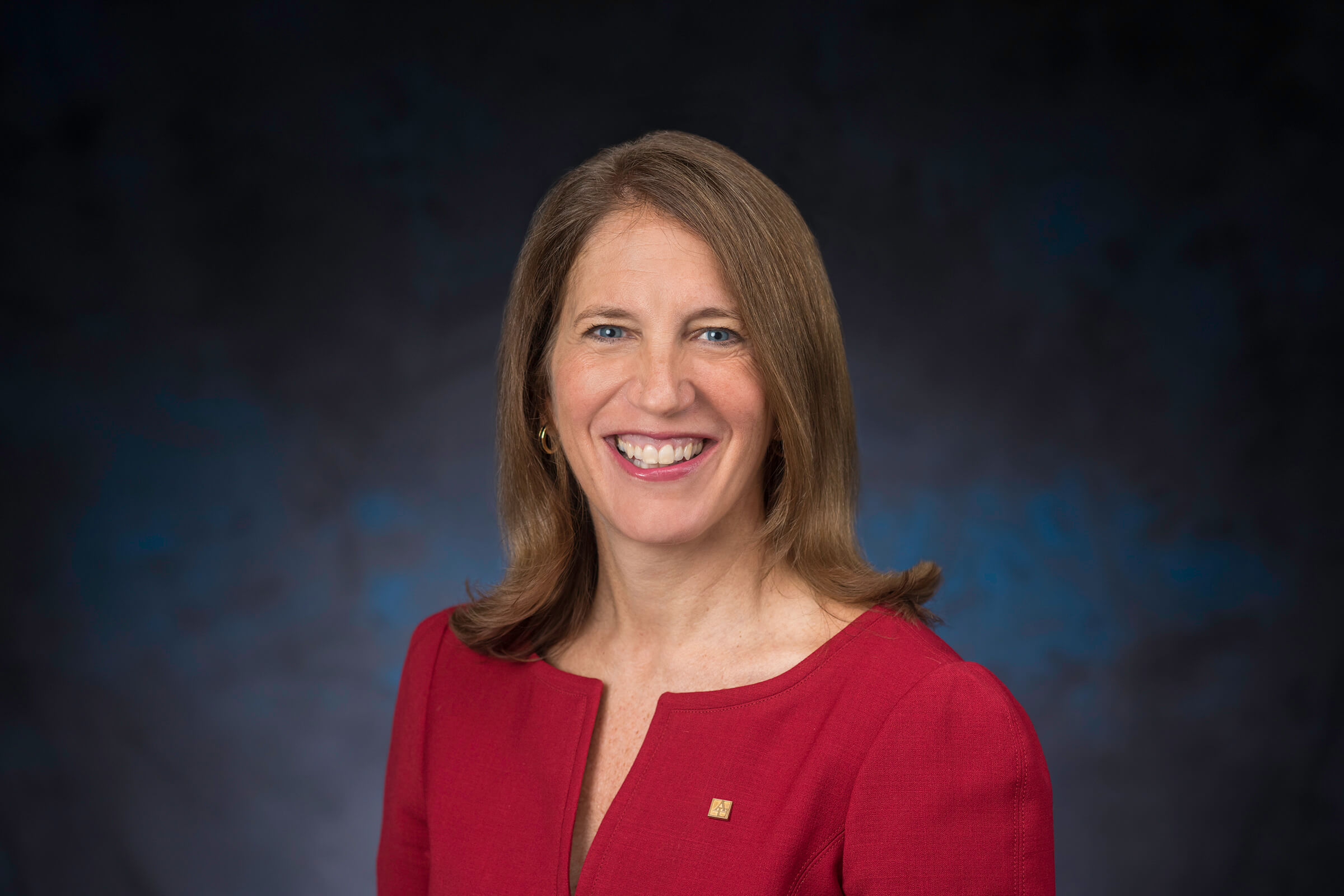
Sylvia Mathews Burwell is the 15th president of American University and the first woman to serve as president. She previously served as Secretary of the U.S. Department of Health and Human Services and as Director of the Office of Management and Budget. 

Blindspotting

Headshot of Lynn Pasquarella

In his recent book American Whitelash, journalist Wesley Lowery offers a stark portrait of contemporary American society, describing burgeoning levels of polarization and partisanship as signaling a “soft civil war.” Throughout his treatise, Lowery reminds readers that “One of our historical blindspots is thinking multiracial democracy—what America should be—is a settled question. Many people are not sure of that.” The recent Supreme Court rulings in the cases brought by Students for Fair Admissions against Harvard and the University of North Carolina confirm Lowery’s analysis. 

By striking down the use of race-conscious admissions, the current Court upended forty-five years of established precedent in cases spanning from Regents of the University of California v. Bakke (1978) and Grutter v. Bollinger (2003) to Fisher v. University of Texas at Austin (2013) and (2016), each of which affirmed a compelling state interest in a diverse student body as facilitating a critical educational goal. In the absence of a special justification or strong grounds for doing so, the majority’s rejection of the principle of stare decisis, from the Latin “to stand by things decided,” constitutes a monumental setback for higher education and for American democracy.

When Justice William Powell announced the landmark decision upholding affirmative action in the Bakke case, he not only noted the educational benefits that flow from racial diversity on campuses but also held that in order to promote “the most robust exchange of ideas,” an institution of higher education is “entitled as a matter of academic freedom to make its own judgments as to the creation of its student body.” Among the cases informing the majority opinion in Bakke was Sweezy v. New Hampshire (1957), in which Justice Felix Frankfurter argued compellingly that a “free society [depends] on free universities.” Frankfurter proceeded to warn of “the grave harm resulting from governmental intrusion into the intellectual life of a university,” according four “essential freedoms” to colleges and universities—to determine who may teach, what can be taught, how it is taught, and who will be admitted.     

By striking down the use of race-conscious admissions, the current Court upended forty-five years of established precedent.

The Supreme Court’s recent abridgement of these freedoms and their strict adherence to the notion that “the law is and must be colorblind,” even in the face of persistent structural racism, will inevitably exacerbate the growing economic and racial segregation in American higher education by creating further barriers to educational opportunity and social mobility for historically marginalized and underserved students. Evidence for this comes from the nine states that have already banned race conscious admissions, which include Arizona, California, Florida, Idaho, Michigan, Nebraska, New Hampshire, Oklahoma, and Washington. These states have witnessed a steady, long-term decline in their share of African American, Latine, and Native American students being admitted and enrolled at their public universities. For instance, after the University of California System passed Proposition 209, barring consideration of race in admissions at state colleges and universities, the enrollment of underrepresented minority groups dropped by 50% or more on UC’s most selective campuses. Similarly, when Michigan outlawed affirmative action, Black undergraduate enrollment declined from 7% in 2006 to just 4% in 2021, highlighting the fact that alternative policies designed to increase representation have proven inadequate. Two of the dissenting justices in Students for Fair Admissions, Sonya Sotomayor and Ketanji Brown Jackson, outlined several   contributing factors, such as students of color being more likely to attend under-resourced schools with fewer Advanced Placement courses and extracurricular activities, alongside less qualified teachers, a less challenging curriculum, and lower standardized test scores.         

The negative impact of eliminating race-conscious admissions extends to the entire student body, however. A multidisciplinary analysis of the research literature on the benefits of diversity at colleges and universities, conducted by Jeffrey Milem, demonstrates that the educational experiences and outcomes of individual students are enhanced by the presence of a multiracial and multiethnic campus community. It also illustrates the ways in which diversity enhances organizational and institutional effectiveness, while positively impacting quality of life issues in the larger society. Additional studies have shown the significant role that engagement with others who are racially different from oneself plays in identity construction and cognitive growth. Moreover, research on the effects of classroom diversity and informal interaction among African American, Asian American, Latine, and White students on learning and democracy outcomes has revealed the educational and civic importance of informal interaction with different racial and ethnic groups during the college years. 

Despite the availability of this evidence, and the expert claims offered by Harvard and UNC detailing the importance of a diverse campus for training future leaders in the public and private sectors; preparing graduates to adapt to an increasingly pluralistic society; producing new knowledge stemming from diverse outlooks; preparing engaged and productive citizens and leaders; and enhancing appreciation, respect, empathy, and cross-racial understanding, while breaking down stereotypes, Justice Thomas admitted to being “unable to understand how diversity yields any educational benefits.”

The negative impact of eliminating race-conscious admissions extends to the entire student body.

The decision that any use of race in the college admission process constitutes a violation of guarantees under the 14th Amendment to equal protection under the law comes amid a flurry of legislation aimed at eliminating Diversity, Equity, and Inclusion programs, policies, and practices; banning the teaching of Critical Race Theory, Gender Studies, and reproductive rights, even in medical schools; and eviscerating protections for LGBTQ+ students. Forty bills in 22 states have been introduced in support of these measures at a time when there are skyrocketing mental health issues on campuses, intertwined with a heightened sense of belonging uncertainty. The hidden and overt messages embedded in Students for Fair Admissions around who deserves a place at our nation’s elite colleges and universities creates a new sense of urgency for campus leaders around reassessing how we admit and enroll students, how we create spaces of welcome and belonging, and how we might employ pedagogies of kindness to fulfill the promise of American higher education for all. 

The American Association of Colleges and Universities’ mission of advancing the democratic purposes of higher education by promoting equity, innovation, and excellence in liberal education is grounded in the conviction that equity and excellence are inextricably linked, and that academic freedom is a prerequisite for a truly liberal education. A politicized Supreme Court has imperiled the capacity of colleges and universities to promote genuine diversity, which necessitates active, intentional, and ongoing engagement with difference in people, in the curriculum, and in the co-curriculum, as well as intellectual, social, cultural, and geographical communities, as a means of increasing one’s awareness, content knowledge, cognitive and empathetic understanding of how individuals act within systems and institutions. By engaging in blindspotting, a majority of justices in Students for Fair Admissions have handed down a decision that is likely to have negative repercussions for generations to come. The result will be a thwarting of the multicultural democracy to which Lowery refers, where all students are positioned for success in work, citizenship, and life within a globally interdependent, multiracial, and multiethnic world.  

Lynn Pasquerella is the president of the American Association of Colleges and Universities and served as the 18th president of Mount Holyoke College.