Beyond the Academic Calendar: How to Support Student Mental Health Year-Round 

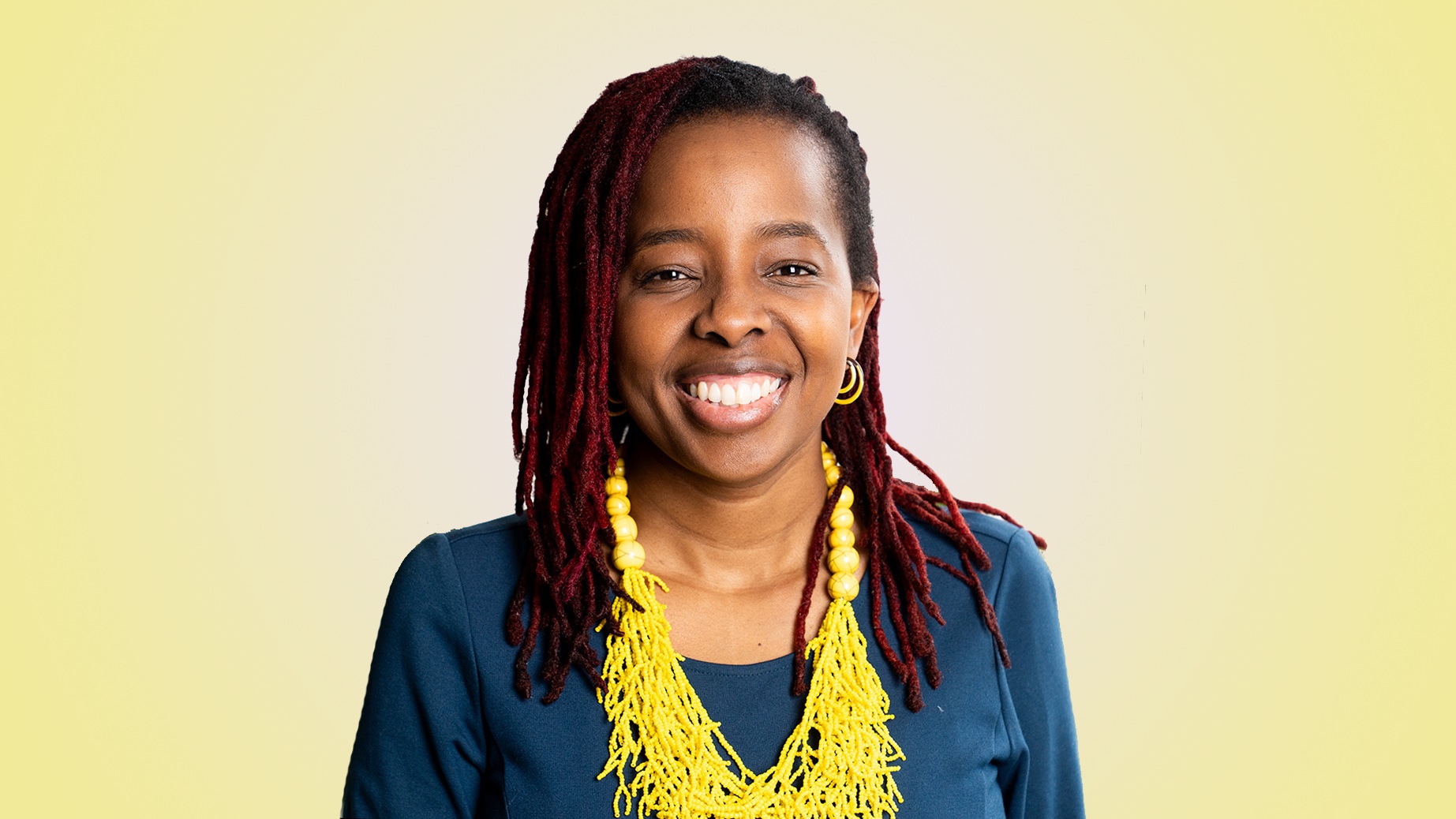
Dr. Bvunzawabaya is the director of Integrated Care Initiatives at the University of Pennsylvania’s Student Health and Counseling.

Students’ summer experiences can vary widely. For many, a break from school means travel or a resume-building internship. For others, it may mean losing access to critical campus resources such as housing, community, and social connection. Summer represents an essential opportunity for some students to earn as much income as possible through work.

While institutions often view college as a temporary place where students learn, build relationships, and prepare for future careers, some students navigate campus differently. For them, coming to college is an opportunity to create a new home. Being away at school can provide a haven where they feel safe exploring different aspects of their identity. Ideally, students regard their campus as a secure and supportive environment where they can engage in activities that support their development and help them achieve academic success. 

Mental health is central to this process. When students prioritize their mental health and wellbeing, it enables them to build meaningful relationships, immerse themselves in their academic work, and recognize areas for growth. Some students arrive on campus having successfully managed existing mental health challenges. For others, mental health concerns may emerge or intensify during their time at school. When these concerns go unaddressed, they can affect every aspect of a student’s wellbeing. As a result, the summer months can be an important time to regain stability. Being away from academic pressures may reduce symptoms of anxiety or depression, lessen concerns related to eating and body image, ease feelings of loneliness, reduce distressing trauma-related experiences, or make mood fluctuations more manageable. 

However, these challenges may be compounded by expectations from loved ones to contribute financially to the household, care for elderly or ill family members, or provide emotional support during difficult family circumstances. In short, many students are grappling with complex pressures that extend well beyond the classroom for which viable solutions may not be readily available. The hope is that rest and support over the summer will help alleviate students’ stress. 

Do they see campus solely as a place to learn before returning home, or has it become their primary community and source of support?

With students soon returning to campus, now is a good time to reflect on the importance summer breaks play in students’ lives and on their mental health. Do they see campus solely as a place to learn before returning home, or has it become their primary community and source of support? Keep in mind that even when students rely on their college or university, they may not necessarily trust it, which can make seeking help more challenging. Recognizing this distinction can help campuses better anticipate and respond to student needs. A student’s ability to use the summer as a period of recovery is influenced by several factors, including the proximity and availability of family and social support, financial resources, their willingness to seek help, and access to appropriate treatment. 

Higher education institutions need to figure out how to support their students during the summer when their routines change. While the academic calendar changes, the need for connection, support, and trusted resources continues throughout the summer. 

  1. Communicate institutional expectations, values, and opportunities clearly. By recognizing the diverse experiences students may encounter during their time on campus, colleges and universities can provide meaningful guidance, foster supportive environments, and help students understand what they can expect from their institution. Higher education institutions play a critical role in helping students develop the confidence to handle academic and social challenges. This support should extend through the summer months, allowingstudents to remain connected to campus. Institutions can also direct students to year-round digital resources that reinforce coping strategies, self-reflection, and help-seeking behaviors throughout the summer. (My Digital Sanctuary)
  1. Ask students early in the spring semester about their summer plans. Academic advisors, coaches, housing staff, and other student-facing professionals should be encouraged and trained to have these conversations, helping students identify needs and connect with available support. These discussions also provide a chance to establish realistic expectations regarding the services and resources a campus can offer. Consistent messaging that encourages early help-seeking and promotes awareness of signs of distress can further support student wellbeing. 
  1. Provide students with a comprehensive list of campus and community resources. These resources may include career services, on- and off-campus employment opportunities, local food pantries, housing and shelter resources, and mental health services. Information about low-cost or sliding-scale counseling options may also benefit students and perhaps their family members. In addition, share resources designed specifically for families, such as The Steve Fund’s Family Corner, which offers practical guidance, conversation starters, and tools to help families support students’ mental health and wellbeing throughout their college journey. 

Regardless of differences in summer experiences among students, they can all be successful. To achieve this goal, colleges and universities need to be creative in problem-solving and demonstrate year-round institutional commitment to the mental health and wellbeing of all students.

Dr. Batsirai Bvunzawabaya is a counseling psychologist with a small private practice in the suburbs of Philadelphia. She has been working with The Steve Fund as a mental health consultant for over five years. She is also the director of Integrated Care Initiatives at the University of Pennsylvania’s Student Health and Counseling. Dr. Bvunzawabaya is originally from Zimbabwe, and she is a proud graduate of Alabama A&M University, where she was a member of the women’s tennis team. She earned her Ph.D. in Counseling Psychology from Auburn University. She is the current president of Section I (Psychology of Black Women) of the Society for the Psychology of Women (APA Division 35) and past president of the Association for University College Counseling Center Outreach.
Mental Health Access Is More than an Appointment

A young person can have a counselor’s number saved in her phone, a clinic ten minutes from campus, and an insurance card that covers the visit — and still not go. Some young people go to counseling or therapy once, sit across from someone who doesn’t understand their language, culture, or lived experience, and never return.

That gap between a service being available and a young person being willing to use it is a part of “access” that is frequently overlooked.

We tend to measure access by supply: how many providers, how many appointment slots, how short the waitlist. Those things matter. But for young people, especially those from underserved and under-resourced communities, access is also a feeling. It’s whether they feel or believe the person across from them can be trusted. Whether the space feels like it was built with them in mind. Whether reaching out will be met with understanding rather than judgment. A service you don’t feel safe using is not, in any meaningful sense, accessible.

More than 7.5 million young people from underserved and under-resourced communities in the United States are struggling with their mental health and emotional wellbeing, which amounts to more than one in five. Three-quarters of mental health conditions emerge by age 24, during the period when young people move through the transitions that shape the rest of their lives: adolescence into higher education, college into the workforce. The care that could help isn’t reaching them evenly. Black and Latinx youth are 14 percent less likely than their white peers to receive treatment for depression. Just 8 percent of the lowest-income communities have a mental health specialist at all.

That gap between a service being available and a young person being willing to use it is a part of “access” that is frequently overlooked.

These disparities reflect a set of systems that were never designed for underserved or under-resourced patients. Cost and logistics put care physically out of reach, while a shortage of professionals who share their communities’ language and lived experience makes it harder to trust the care that does exist. Stigma — a major barrier to care — makes the first step towards help seem harder. Too often, the models that mental health care is based on feel disconnected from the realities young people actually live. When care doesn’t reflect who someone is, “available” and “usable” turn out to be very different things.

Belonging is a protective factor in its own right. Research points to a consistent set of protective factors: a strong sense of self, supportive relationships, and, above all, a sense of belonging that help young people stay well and navigate challenges as they arise. Culturally responsive care is what activates protective factors. It’s the difference between a young person being treated as a case and being seen as a whole person in the full context of their family, culture, and community.

What does that look like in practice? It starts with mental health professionals who come from the communities they serve and bring cultural fluency into the room. Quality mental health care treats identity and community as strengths to draw upon. It means meeting young people where they already are in peer communities, on campuses, in the spaces they already trust, so the first conversation doesn’t require a leap of faith into an unfamiliar system.

For colleges, employers, funders, and community organizations, these expectations reframe the work. The goal is to add capacity and more counselors and to build an environment that young people will trust enough to use. That means investing in a workforce that reflects the communities it serves and designing programs alongside the young people and their families. It also means treating belonging as a real outcome of care.

When care is built around trust and grounded in culture, young people show up, stay in care, and achieve better healthcare outcomes. The challenge is to build services in a way that makes them worth walking into.

This work requires collective action from schools, providers, families, funders, and young people themselves committed to the same vision: that every young person is supported by people and places that understand them.

Access is the door. Trust is what gets someone to walk through it.

If you or a young person you know is struggling, support is available. Text STEVE to 741741 to reach a crisis counselor, or call or text 988 for the Suicide & Crisis Lifeline.

Dr. Annelle Primm is senior medical director of The Steve Fund, a leading nonprofit dedicated to promoting the mental health and emotional wellbeing of young people from underserved and under-resourced communities.

Keeping it Real

A new research update from the Human Flourishing Program at Harvard poses an instructive question on the use of A.I.: Do large language models (L.L.M.s)  promote or impede flourishing? This seemingly simple question, if taken seriously, could prove to be an effective lens in considering how these technologies are designed and produced and how they are ultimately used.  

Flourishing Considerations for A.I.”  applies the Human Flourishing Program’s six domains of flourishing — happiness, health, meaning, character, relationships, and financial security — to five sets of considerations. Two pertain to A.I. product developers on the nature of the output provided by L.L.M.s and the specific design and packaging of particular A.I. products. The other three sets pertain to the user of A.I. products concerning decisions about the extent and nature of use, the effects of A.I. use on human knowledge, and the effects of A.I. on persons and communities.  

In identifying the players, motivations, and risks of L.L.M. technologies, the paper provides a guide, complete with guardrails and benefits, that brings us back to basics: Is our use of A.I. helping or hindering us when it comes to our ability to flourish as individuals and as a society? While the authors suggest ways to better build or use what currently exists, they do recommend eliminating one erroneous offering: the chat bot companion. They conclude that, for humans to flourish, we need to interact with other (real) humans.  

The following is an op-ed on the subject from Tyler J. VanderWeele, the lead author of the report and director of the Human Flourishing Program. The article originally appeared in Psychology Today


Can We Remain Human in the Age of A.I.?

By Tyler J. VanderWeele

Artificial intelligence technologies have been rapidly rising. Their potential applications are extraordinary, from information synthesis to robotic surgery, statistical analysis, civil engineering, and more. By leveraging and re-packaging vast quantities of existing knowledge, they seem to open endless possibilities for their use, but also for abuse.

Like any tool, A.I. can be used for good or for ill. If these technologies are to enhance human flourishing, rather than impede it, then we need to consider whether the design of A.I. technologies and our engagement with them are oriented towards our own flourishing. Of particular concern is how our use of these technologies is affecting our capacities for reason, for relationship, for transcendence, which go to the heart of our human nature. Are we finding a greater fulfilment through these tools? Or do they threaten to diminish and constrict our lives?

A Flourishing Lens

In a recent paper from the Human Flourishing Program at Harvard published in the journal Information, we have put forward a set of Flourishing Considerations for A.I., discussing how a “flourishing lens” can guide decisions on the design and use of A.I. technologies related to: (i) the type of output provided; (ii) the specific A.I. product design; (iii) our engagement with those products; the effects this is having on (iv) human knowledge; and on (v) the self-realization of the human person.

Are we finding a greater fulfilment through these tools? Or do they threaten to diminish and constrict our lives?

We’ve made use of our general framework for conceptualizing and assessing human flourishing, oriented around six domains: happiness, health, meaning, character, relationships, and financial resources. We argue in our new paper that whenever an A.I. product is developed, and whenever we are deciding whether to use it, we should consider how it will affect our happiness, health, meaning, character, relationships, and financial security, among other aspects of a good life. If the effect on some of these outcomes is likely detrimental, developers should consider whether it can be redesigned to mitigate these negative effects. Whenever it is clear that our own use would have negative effects on these outcomes, we should question whether we would be better off without it.

Respecting and Fulfilling Human Nature

Of particular concern is what these technologies might be doing to our nature as human persons. For instance, there is evidence that substantial use of A.I. tools such as “large language models” (L.L.M.s) can hinder users’ cognitive abilities. If we become weaker in our reasoning, we are flourishing less, not more, as human persons.

Given that L.L.M.s also get things wrong (so-called “A.I. hallucinations”), we should not place any absolute reliance on them or their products as sources of knowledge. They might be helpful in searches or in pointing us to relevant source material. However, knowledge fundamentally requires justified true beliefs, the justifying evidence that cannot be overturned. Evaluating evidence and searching for truth are fundamentally human activities. A.I. technologies may require a yet greater (not lesser) scrutiny of evidence than before if the web of human knowledge is not to be damaged.

Perhaps of yet greater concern is the potential effect of A.I. technologies on human relationships and our capacity to love. Various studies have indicated that roughly one-third or more of American teenagers are using A.I. agents for companionship, as friends, or romantic partners. While these might sometimes temporarily alleviate loneliness, the longer-term effects on flourishing are likely detrimental. They decrease the motivation and time available for engaging in face-to-face interactions. Furthermore, because A.I. chatbots are designed to be exceedingly agreeable and supportive, they also create unrealistic expectations as to the sort of interactions, sympathy, and comfort one may hope for in a real romantic partner or a friendship. They thereby also alter the broader social environment and our capacities to engage with one another. When our capacities to engage in real relationships are weakened, we are flourishing less, not more.

Certainly, there are cases in which A.I. chatbot applications can be helpful, from user-tailored educational opportunities (perhaps replacing Massive Open Online Courses – MOOCs) to skill-building programs for autistic children, to civil discourse training for college students. However, in each of these cases, the technologies should ultimately point us back to real human relationships. A human teacher, for example, not only helps in acquiring knowledge, but also in forming the whole person, in modeling the integration of knowledge into life and emotion, and in developing capacities for mutual understanding.

Such considerations as to the effects of A.I. technologies on human fulfillment also pertain to our artistic pursuits, our experience of beauty, and our search for meaning and purpose in life. Ultimately, we cannot outsource our meaning and our joy in relationships, our freedom and our responsibility, our reasoning and our understanding, our appreciation of beauty and our capacity for awe and wonder, or, in total, our flourishing, to technology. These things are a part of what it means to be human.

Practical Next Steps

Navigating all of this can undoubtedly be challenging. To help address these matters, we have recently launched a Flourishing and A.I. Initiative. We need to develop practical wisdom to determine which uses are beneficial and which are not. We should work together as individuals, as parents, and as communities, to develop the discipline needed to choose not to make use of these technologies when they are going to impede our flourishing. When we use A.I. technologies, we should ask ourselves how we might carry out such tasks better ourselves, to enhance our minds, not weaken them. We should limit use to ensure sufficient time to be with other people and in communities. We should continually question, with each use, whether it is enhancing or inhibiting our capacities as human persons.

These flourishing considerations also have implications for developers. Developers of A.I. technologies using chatbot interfaces should ensure they provide regular reminders that they are not human; that their outputs might be wrong; and that users might want to consider alternative activities or in-person human interactions. This could all be implemented immediately, with all A.I. chatbot products, and could considerably improve users’ decision-making.

Moreover, as noted above, while some chatbot products may indeed be beneficial, we believe developers should entirely discontinue the development of relational chatbots given the negative long-term effects these likely will have on human relationships. The detrimental effects of social media on youth flourishing may be only the tip of the iceberg if A.I. companions replace real relationships. Developers should ultimately spend their effort on designing products that will more likely have unambiguously beneficial or neutral effects on flourishing, and prioritize those over products that might be more mixed or detrimental, even if profitable. The development and promotion of these products carry with them moral commitments and responsibilities. We should hold developers morally and legally accountable for the foreseeable harms their products bring to users and society.

While any new technology comes with new opportunities and new challenges, including those that may affect possibilities for human fulfillment, the potential for A.I. technologies to severely alter, damage, and replace relationships is arguably unprecedented. We need to take these matters seriously if we are to flourish. The use of a flourishing lens in evaluating A.I. technologies is essential.

You can reach LearningWell Editor Marjorie Malpiede at mmalpiede@learningwellmag.org with comments, ideas, or tips.

Supporting Student Mental Health Requires a Whole-Campus Approach

More than 60 percent of college students meet the criteria for at least one mental health problem, according to the national Healthy Minds Study. Yet only about 12 percent receive care through campus counseling centers.

That gap tells us something important.

When students are struggling, they are not always walking into counseling offices. Research shows they are far more likely to turn to family, friends, or peers first. They also confide in professors, advisors, coaches, mentors, and resident assistants, people they see regularly and trust.

This raises a simple question: Are our campuses set up to meet students where they are?

Too often, they are not.

At many institutions, student mental health is still treated as the responsibility of counseling centers. These centers are essential, but they were never meant to carry this work alone, especially as the world students are navigating has grown more complex and the ways they seek support have evolved.

As a psychiatrist and senior medical director at The Steve Fund, I have spent much of my career focused on improving mental health care for young people, particularly those from underserved and under-resourced communities. Through The Steve Fund’s Excellence in Mental Health on Campus initiative (E.M.H.C.), we have worked with colleges and universities across the country to better understand what it takes to create campuses where students can thrive.

What we have learned is both encouraging and instructive: When institutions treat mental health as a shared responsibility across the campus community, meaningful change becomes possible. Since 2016, The Steve Fund has partnered with 66 colleges and universities across 23 states, reaching more than one million students. Across these campuses, mental health has gradually shifted from being seen as a clinical issue to a broader institutional priority. 

That shift shows up in practical ways, as campuses implement strategies to strengthen awareness of mental health resources and integrate student wellbeing into the broader campus environment.

Some campuses embedded mental health resources directly into course syllabi, so students encounter support information within their academic environments. Others incorporated counseling center information into the institution’s Simple Syllabus template and added counseling resources under the “Student Resources” section of the campus website, making support easier for students to find. Institutions expanded outreach efforts to increase awareness and trust in counseling center services. Examples included featuring counseling center staff on the student radio station, creating a “What to Expect from the Counseling Center” video in partnership with the marketing department, and placing counselors in academic buildings rather than solely in separate health centers.

When students are struggling, they are not always walking into counseling offices. Research shows they are far more likely to turn to family, friends, or peers first.

Student engagement and leadership teams hosted events designed to foster connection, inclusion, and belonging — protective factors that support student mental health and persistence. Some campuses introduced breakout sessions for parents and caregivers during new student orientation to help families better understand student mental health challenges and available campus resources.

Institutions have also launched coordinated campaigns to increase awareness of counseling services using multiple communication channels, including campus flyers, digital displays on campus TV screens, and targeted outreach to departments, student clubs, and organizations.

These changes may seem modest on their own. Together, they reflect a broader shift in how campuses think about student wellbeing, and it sends a powerful message: Student wellbeing matters everywhere on campus.

Just as importantly, campuses are beginning to recognize that student voices must be central to shaping mental health solutions.

Through listening sessions and peer-led discussions, institutions gained deeper insight into the realities students face, from academic pressure and financial stress to impostor phenomenon and experiences of exclusion or isolation. When students were invited to participate in the decision-making process, institutions were better able to design programs that felt relevant, accessible, and culturally responsive.

Another important lesson has been the value of collaboration across institutions.

Too often, colleges attempt to solve mental health challenges in isolation. But through the E.M.H.C. learning network, participating campuses are sharing strategies and innovations, accelerating progress across institutions.

One campus convened a district-wide mental health summit that brought together students, faculty, and staff to discuss wellness and belonging. Another embedded mental health priorities into its institutional strategic plan. Others developed faculty training programs focused on trauma-informed leadership and how to recognize and respond to student distress.

These examples point to something important: Improving campus mental health does not always require entirely new programs. Often, it begins with rethinking how existing systems, from orientation and advising to faculty development and campus communications, can better support student wellbeing.

This shift is particularly critical for students from underserved and under-resourced communities. Many students of color, first-generation students, and students from low-income backgrounds face additional barriers when seeking mental health care, including stigma, lack of culturally responsive providers, and feelings of isolation on campus.

When institutions intentionally center belonging and cultural responsiveness, students are more likely to seek help and remain engaged.

Ultimately, the lesson from our work is straightforward. Mental health must be embedded in the environments where students learn, live, and connect. Counseling centers remain essential, but they cannot carry this responsibility alone.

Faculty shape classroom experiences. Student affairs leaders create spaces designed to foster belonging and peer connection. Administrators set priorities and allocate resources. Each has a role to play. When those efforts come together, campuses move from reacting to creating conditions that support wellbeing from the start.

And that shift matters, not only for student mental health, but for student success.

Students who feel supported are more likely to persist in college, engage in campus life, and reach their academic and professional goals. Mental health is not separate from student success; it is foundational to it.

The challenges facing today’s college students are real and complex. But across the campuses we have worked with, one thing is clear: meaningful progress is possible when institutions commit to building environments grounded in trust, belonging, and culturally responsive care.

The path forward is not about doing more in one place. 

It is about making sure students are supported wherever they are.

Colleges must move beyond viewing mental health as an isolated service and begin treating it as a core element of the campus experience. That shift is underway, but far from complete.

The lessons from this work are outlined in The Steve Fund’s Excellence in Mental Health on Campus retrospective report, which highlights strategies campuses are using to embed mental health into institutional culture and student success initiatives. The full report can be accessed here: Excellence in Mental Health on Campus (EMHC): A Retrospective Report – The Steve Fund

Dr. Annelle Primm is senior medical director of The Steve Fund, a leading nonprofit dedicated to promoting the mental health and emotional wellbeing of young people from underserved and under-resourced communities.

A Simple Step for Schools to Save Lives

Peter McGinnes is a pre-medical neuroscience student at Stanford University whose lived experience with a suicide attempt has shaped his path. Today, he channels that experience into advocating for better access to mental health care, particularly for students.

Every year, thousands of students in mental health crises are left searching for resources. What if, printed on their university ID card, were three digits that could make reaching out for help just that much easier?

People often imagine suicide as dramatic or obvious, but that usually is not the case. Most students struggle silently, showing up to class, keeping up appearances, while feeling increasingly isolated and overwhelmed. That silence is exactly what makes it so hard to notice, and why accessible resources matter.

I know, because I’ve been there. As a teenager, I felt trapped, convinced no one could understand. My grades stayed high, my face appeared calm, but internally, I was breaking down. Mental health resources were hidden behind webpages and brochures that no one gave a second thought. I didn’t know there was a national hotline, much less that calling it could mean someone would listen.

I spiraled until I couldn’t anymore. I attempted to take my life and spent two months in a residential treatment center. For the first time, I was surrounded by people who could relate to my pain. I learned to sit with my thoughts instead of drowning in them. I left stronger, but still fragile.

Months later, I saw a poster in my doctor’s office: “988 – National Suicide and Crisis Lifeline.” The numbers stuck with me like a song lyric you hum without thinking. Later that month, I was sitting in bed at my grandmother’s house, heart racing, chest tight, feeling like silence might swallow me whole. I dialed the three numbers. 

On the other end was a calm voice. Someone who didn’t rush or judge me. We talked through coping strategies, and by the end of the call, I wasn’t magically healed, but the fog had lifted just enough for me to keep going. In that moment, that was all I could ask for.

I saw a poster in my doctor’s office: “988 – National Suicide and Crisis Lifeline.” Later that month, I was sitting in bed at my grandmother’s house, heart racing, chest tight, feeling like silence might swallow me whole. I dialed the three numbers. 

That night taught me the power of a small, timely gesture. In behavioral science, they call it a nudge: a simple change in how choices are presented that makes a better outcome more likely. Think about putting vegetables at eye level in a grocery store instead of banning junk food. The choice remains, but the path to the healthier option becomes clearer. For someone in crisis, seeing three digits on their student ID card could work the same way. The difference between knowing or not knowing about 988 could be the difference between spiraling and picking up the phone.

The 988 National Suicide and Crisis Lifeline is a 24/7/365, publicly-funded resource that has been shown to save lives. The problem is awareness. According to a 2024 poll by the National Alliance on Mental Illness, fewer than one in four Americans are even “somewhat familiar” with 988. That means millions of people could be reaching for help without knowing the resource exists. 

Students are particularly vulnerable. Suicide is the second leading cause of death for people ages 15-24. And college counseling centers are overwhelmed with wait times that stretch for several weeks. In moments of acute crisis, students cannot afford to wait until their next appointment or go searching through Google for resources. They need support in the moment.

That’s why printing 988 on student ID cards matters. Contact with 988 is on the rise. In just a year, calls to the lifeline rose by 48 percent and texts by 1445 percent, a clear sign that, as the visibility and accessibility of the number increase, so does its use. Printing 988 on an ID card, an item students carry everywhere, means they don’t have to remember a poster or navigate a website in a moment of panic. The number is right there.

What makes this initiative so powerful is how little it costs. Universities already reprint IDs regularly. Adding three digits is a minor design tweak. Schools spend thousands on wellness campaigns and programming; yet this simple step might reach more students than all of those efforts combined. 

Some states are already leading the way. New York and Virginia, for example, have passed laws requiring schools to include 988 on student ID cards. That progress is encouraging, but a patchwork approach isn’t enough. Mental health crises don’t stop at state borders, and neither should access to lifesaving numbers.

That’s why national advocacy is critical. As a council member for the Coalition for Student Wellbeing (C4SW), I have seen firsthand how powerful coordinated action can be. C4SW’s mission is simple: bridge the gap between students and decision-makers through advocacy, collaboration, and education. Printing 988 on IDs is exactly the kind of systemic fix we aim to achieve. That is why the coalition has launched a national advocacy campaign to add 988 to student ID cards.

I am still here today, not because I am stronger than anyone else, but because in a moment of silence, help was within reach. 

Universities can make this change now. Legislators can make it standard nationwide. This is not about saving every life; no single policy can do that. It is about ensuring that every student has a fighting chance to reach for help when they need it most.

A Year of Stories

Dear Readers and Listeners:

As we move into 2026, I have been reflecting on the year’s worth of stories we have been honored to share in LearningWell. So much of LearningWell’s coverage mirrors what influences your work supporting student flourishing. Here’s a reference to some of the top stories that captured those struggles and gains.   

2025 may be remembered as one of the most disruptive years in higher education, set apart by numerous drivers of uncertainty and anxiety, all of which influenced campus wellbeing. “Without a Net,” “A Voice for High-Needs Students,”and “Uncertainty Weighs on Mental Health Researchers” were some of our stories that captured those dynamics, including the impact of federal upheaval on financial distress, equity initiatives, and research.

Student mental health issues remained at the forefront of higher education concerns and policies. At LearningWell, we tracked the latest national data in student wellbeing, while delving into the key factors at play: We heard about the influence of social media from psychologist Jean Twenge and of A.I. from reporter Beth McMurtry. Reflections from students and recent graduates offered first-hand insight into the mounting pressures they’re feeling. And we acknowledged the continued rise of mental health and wellbeing among institutional priorities, covering the Princeton Review’s Campus Mental Health Survey and The Wall Street Journal’s use of the Human Flourishing Project’sflourishing scale to rank the best colleges. 

But amidst these challenges, resilience, perseverance and innovation abounded. Practitioners and administrators across the country began thinking more holistically about student mental health, focusing on population outcomes, preventative strategies, and curricular and co-curricular partnerships, as reflected in these articles: “Leading the Next Chapter of College Mental Health,” “New Thinking in College Student Mental Health,” “Be REAL,” and “Experience U.”

Perhaps the best way of chronicling this progress in student-centered education is by telling the stories of the people doing this work and the places where it is unfolding. The institutions within the LearningWell Coalition continue to forge new programs and pedagogies aimed at preparing students to flourish in life and work — schools like Lehigh University, Roanoke College, Boston College and the University of Utah, among others. 

Character education has emerged as a constructive pathway toward human development goals, like curiosity, empathy, and intellectual integrity. LearningWell has featured a number of these programs set in unusual contexts, such as sports fandomscultural reconciliationglobal peacebuilding, and intellectual virtues.   

As we look forward to another year of telling your stories, a sincere thank you for supporting ours at LearningWell magazine. 

All the best for a great new year! 

Marjorie Malpiede, Editor-in-Chief

You can reach LearningWell Editor-in-Chief Marjorie Malpiede at mmalpiede@learningwellmag.org with comments, ideas, or tips.

10 Years of Building a Community of Action for Youth Mental Health

When The Steve Fund began in 2014, youth mental health was just beginning to break into the national conversation. But the nuanced needs of young people from underserved and under-resourced communities and first-generation college students were largely invisible in both research and practice.

The numbers tell part of the story: over one million students impacted through our programs, five million people reached through our Family Corner digital platform, and 66 colleges engaged in our Excellence in Mental Health on Campus Initiative. But behind every statistic is a young person who found support, a family that learned to recognize warning signs, a campus that transformed its approach to student wellbeing.

Our signature initiatives have reshaped how institutions think about mental health support. Perhaps most importantly, we’ve always kept youth voices at the center. The Steve Fund’s Excellence in Mental Health Initiative provides evidence-based strategies for creating inclusive campus environments. Our Young, Gifted & Resilient conferences bring multi-disciplinary, cross-cultural, and cross-sectoral stakeholders together at universities across the nation, each event co-created with the host institution to address its unique challenges. My Digital Sanctuary, our newest digital platform, takes a fresh approach by speaking to concepts like love, hope, and creativity — shifting away from traditional medical models to more inclusive, spiritual, cultural, and artistic approaches that resonate with young people.

But we face a critical moment. Schools, families, nonprofits, and communities are facing significant reductions in resources at a time of sustained high need. Important systems that young people have long counted on are being dismantled. Intense pressures are being placed upon our nation’s most resource-limited youth and families that may have to suffer in silence due to unmet need and lack of access to mental health care and resources.

“There’s a real risk that young people may feel hopeless, uncertain, and fearful about the direction in which the country is going — anxious about violence, climate change, and civil rights rollbacks.”

There’s a real risk that young people may feel hopeless, uncertain, and fearful about the direction in which the country is going — anxious about violence, climate change, and civil rights rollbacks. That’s precisely why our work on risk and protective factors matters so much right now. We’re equipping youth and communities with resilience strategies and helping them learn to cope with stress, build supportive relationships, identify mental health services, and access restorative resources like nature, creativity, and rest.

The Steve Fund operates in a space where research meets practice, leading to direct impact and measurable outcomes. Our groundbreaking partnerships with the United Negro College Fund to assess mental health at H.B.C.U.s, our work with the Child Mind Institute on family mental health barriers, and our national student surveys inform every program we design. We ensure that our interventions are both culturally responsive and truly effective.

As we look toward the next decade, we’re scaling bold solutions that are youth-guided, family-centered, and grounded in rigorous research. We’re leveraging technology and embracing A.I., not as a replacement for human connection but as a tool to expand access and personalization for communities often overlooked in mental health practice.

The work of The Steve Fund matters now more than ever. When we support young people’s mental health and emotional wellbeing, we’re building the kind of future we want to live in.

What began in a dining room as a family’s response to loss has grown into a national movement and a community of action. The Steve Fund’s first decade laid a compelling foundation built on research, collaboration, and a belief in the promise of every student. As we enter our second decade, we remain steadfast in our mission: to ensure that all young people have the support they need to thrive.

Because no young person should face their struggles alone. And every family deserves to know that help is available.

Dr. Annelle Primm is senior medical director of The Steve Fund, a leading nonprofit dedicated to promoting the mental health and emotional wellbeing of young people from underserved and under-resourced communities.

Thanks for Asking 

When a group of us recent graduates from Georgetown University were asked to be Hoya Fellows, we weren’t sure what to think. As Fellows, we were expected to weigh in on strategies and policies that affect Georgetown students, an area that we believed did not often involve listening to students. Students are seldom invited to be true active participants in the complex decision-making processes that dictate their campus experience. Most of the time we aren’t even familiar with how the process operates. As recent graduates ourselves, we wondered how much impact we could really have. 

Our degrees did not qualify us to oversee university initiatives, let alone challenge the culture of a centuries-old institution like Georgetown. But the school’s vice president of student affairs, Dr. Eleanor Daugherty, trusted in our abilities to make an impact. Dr. Daughterty, who had invited us into the process, had years of experience studying adolescent development while working in higher education, but she admitted she was far removed from knowing firsthand what the adolescent world is like. “I am the expert on your tomorrow, but you’re the expert on your today,” she often said.  

With that, we were thrown into the deep end, and like the child that learns to swim this way, we kicked our legs hard enough to keep our heads up. Rather than assigning us simple administrative tasks, Dr. Daugherty handed us complex challenges, like bolstering an atmosphere of “belonging and mattering” among Georgetown students. We weren’t told to be cogs in a machine; we were empowered to build new ones. We were asked to lead the way in designing new initiatives and solutions to address issues that we dealt with firsthand as students, like finding community within the university or balancing working hard with caring for ourselves while being away from home for the first time.  

There would be constant pressure, not necessarily to succeed, but to maintain unwavering ambition and creativity. We were required to bring our respective passions and skillsets into conversation with the spirit of innovation, all in the name of creating a world we thought we could only imagine.

What we learned is that the deep end is not a place to drown; it is a place to learn. It is a place where Fellows are trusted to take on unsolved institutional challenges, to move beyond our comfort zones, and to think beyond our own years of experience. It is where we are asked to address student impostor syndrome while managing our own, tasked with changing a culture we were not sure we had the authority to critique.  

What we learned is that the deep end is not a place to drown; it is a place to learn.

We were given access to the full resources of the Division of Student Affairs and encouraged to collaborate with university leaders. We relied on each other and drew from our own experiences as alumni, as well as from the students who are still attending. Most importantly, we were not afraid to make mistakes because we were guided by leadership who encouraged us to take risks. For Fellows, there was no consequence for failure besides learning a lesson and trying again. It’s inevitable that we’d falter along the way, and we agreed that the only thing that fearing failure does for us is hinder and delay our eventual triumphs. Failing didn’t mean the journey ended; it just provided us another memory, lesson, and motivator to propel us towards results.

Since the beginning of the Hoya Fellowship in October 2023, the Fellows have helped student affairs launch a number of initiatives and projects, which have proven almost overwhelmingly successful. Each Fellow was encouraged to pursue projects aligned with our own strengths and to collaborate and learn from each other in the process.  

One of our biggest accomplishments came directly from our own experiences. A major goal of student affairs has been to focus on “belonging and mattering” on a campus, which is welcoming but also often too perfect for its own good. On a campus like Georgetown, many students find it difficult to be anything other than perfect. This cycle of pretending to be perfect causes some of the brightest adolescent minds to wonder if they really belong in a place where everyone is as smart or smarter than they are. From this came the development of a class called “Blowing Up Perfection,” meant to teach students some of the skills they might not learn in other classes: how to build authentic friendships, how to face conflict, how to be resilient in the face of difficulties, how to embrace vulnerability. These skills help students understand that belonging comes not from perfection but from connection and self-acceptance. It is something we had to learn ourselves. 

Another related initiative is Hello Hoyas, a summer program where university leadership travels around the country to visit incoming first-years in their own hometowns. Particularly impactful for first-generation and low-income students, Hello Hoyas offers a powerful message that students and families belong here and that we will be here for them when they arrive. Hello Hoyas expanded from five cities in 2024 to 10 cities in 2025 and has welcomed hundreds of students before they even reach campus across both years.  

Expanding our impact beyond Georgetown, Fellows even helped advance scholarship and research on adolescence, most notably by leading a national research symposium that reimagined how we approach adolescent development within the context of today’s challenges and opportunities. The gathering, called “The Promise, Possibility and Power of Adolescence,” convened K-12 and higher-education administrators, educators, non-profit leaders, and renowned researchers, who were brought into conversation with adolescents themselves — the very people who would be impacted by the work. Like the Hoya Fellowship, the hallmark of the symposium was that the youth led the way. There, young people spanning 14 to 22 years old worked alongside adult participants to co-create innovative solutions aimed at promoting universal adolescent thriving, regardless of one’s location or access to resources. 

Our experience as Fellows made us realize that the distance between students and administrators didn’t come from disagreement, but from mutual misunderstanding. While institutional leadership can offer frameworks of what young people should be, only young people themselves can speak authentically about their own current reality. The Fellows program has helped expand the opportunities for students and administration to communicate directly with one another. Our office initiatives include a student advisory, which invites all students to join university leaders for dinner and discussion. There are Hoya Family Forums, which invite curious parents to meet different student, professor, or staff panelists and keep families informed about what happens on campus. The Fellows have helped build bridges between Georgetown leadership, families, students, alumni, researchers, and everyone who is invested in making universities everywhere a better place for adolescent wellbeing.  

Through these initiatives and projects, the Fellows have helped reframe how the university approaches its students. There are many more opportunities for students to connect directly with leadership, even before their time on campus. And in turn, leadership can better understand the state of adolescents today. The Fellows have helped blow up the culture of perfectionism and exclusivity which permeated the otherwise very welcoming Georgetown community, and we hope to continue doing so in the future.  

We never thought we’d be working for the university, let alone teaching classes or organizing national conferences. We’re driven by our pride in being members of the Georgetown community, and we’re honored that we get to serve as a connector between students and administrators, all of whom want the best for our university. The issues we tackle — adolescent development, student wellness, belonging and mattering, to name a few — reach far beyond Georgetown’s gates. Through the Hoya Fellowship, we aim to show how empowering young people to lead not only develops them but also ignites impact at scale. 

One last note: When you throw people like us into the deep end, we’ll never want to leave the pool.

Since October 2023, Hoya Fellows have worked in key university offices across Student Affairs to develop strategic initiatives focused on student life and well-being. These positions enable the university to benefit from the experience and insight of alumni who understand the lived experience of our students, while also empowering these new graduates to help build Georgetown into the institution they hope to leave for future generations of Hoyas. 

Student Mental Health is Complex

Whether you’ve studied psychology for four years or one semester, textbook theories often pale in comparison to the lived experiences of those around you. As I navigated the diverse and layered culture of the University of Miami — both as a student and mental health peer educator — I came to understand just how vital and nuanced mental health is for such a malleable population.

Whenever our group, Counseling Outreach Peer Education (COPE), organized classroom presentations, housing events, or tabling sessions aimed at marginalized communities, I saw firsthand how deeply mental health is shaped by trauma, identity, and the pressures of socioeconomic hardship.

While this may seem like a fairly obvious point to make, a short conversation with someone outside your own echo chamber illustrates just how detached we all are from the dynamics that feed into our mental processes. 

In the banality of it all, we have forgotten how to ground ourselves and acknowledge the emotions that come with our most difficult experiences. One unfortunate effect of an individualistic culture is the tendency to downplay the severity of our traumas.

Mental health is not a one-size-fits-all experience. It is deeply nuanced, shaped by an individual’s upbringing, identity, environment, and lived experience. It cannot be measured solely by diagnostic labels or external behaviors.

Mental health is deeply nuanced, shaped by an individual’s upbringing, identity, environment, and lived experience. It cannot be measured solely by diagnostic labels or external behaviors.

For college students in particular, mental wellbeing exists at the intersection of transition, expectation, and uncertainty. What looks like resilience on the surface may mask exhaustion, and what is labeled as disengagement may actually be emotional burnout.

Understanding this complexity is vital, especially in peer support sessions, where emotional nuance is often the difference between surface-level interaction and meaningful connection.

I know the sentiment may seem rich coming from a student at a private institution, but if you look beyond the name of my university, you’ll see a community filled with students from backgrounds far removed from the monetary comfort that surrounds Coral Gables.

Many of us work tirelessly to support ourselves, trying not to place any additional burden on our families. We throw ourselves into student-led organizations to show our parents that being here means something — that their sacrifices weren’t made in vain. For some, excelling academically and remaining emotionally composed are not just goals. They are expectations. 

Within this context, peer-to-peer roles take on deeper meaning. Student leaders are not only building campus communities but also helping one another manage the weight of invisible pressures.

At nearly every event I participated in through COPE, I spoke with students facing unimaginable financial stress, complicated family dynamics, or overwhelming mental health crises — often with multiple factors compounding at once.

Although the student population is majority White, students from all backgrounds — especially those from marginalized communities — often face significant cultural stigma around mental health. In many cases, families may attempt to dismiss or hide mental health struggles to save face, or they may believe that mental illness cannot exist in a “first world” country.

As a result, some students do not seek psychiatric care and instead turn to peers for emotional support. Peer education becomes vital in these cases, offering a space where students feel safe to share difficult truths they cannot express elsewhere. These conversations are not clinical interventions, but they are deeply effective, meeting students where they are and giving them space to feel heard.

College can be an isolating experience, but in those brief moments as peer educators, we create a space where students feel seen — because they know we understand what they are going through. We are not outsiders offering advice; we are peers navigating the same struggles.

Almost every student is struggling in silence, and what matters most is knowing that both their peers and their administration are showing up with genuine support. The effort to create safe, consistent spaces is what helps prevent this generation from repeating the silence of the last.

All of this reinforces the simple but often overlooked truth: Mental health conversations and peer education are essential to building a healthier student body.

Anisah Steele graduated in 2025 from the University of Miami, where she served as co-chair of Counseling Outreach Peer Education (COPE). Starting this fall, she will pursue her master’s in epidemiology at the University of Florida, hoping to bridge psychology and public health to inform more equitable, evidence-based mental health interventions.

Disclaimer: The views expressed in this article are solely those of the author and do not represent the University of Miami, its Counseling Center, or Counseling Outreach Peer Education (COPE).

Global Connections

As our plane rolled into the terminal, my seat neighbor asked if it was my first time in Egypt. I told him it was — my first in the country and second in the Middle East, although I hadn’t been back since before I started college and studying Arabic. He told me he was born and raised in Cairo and coming home after a few months coaching squash in Dallas. 

We turned out to have more in common than being about the same age on the same plane. When he heard I went to Harvard, his face lit up in recognition. He quickly listed off the names of squash players, friends of his, who had been students. Some were Egyptian, others French and Canadian. Several of them I knew. We had lived together in the same dorm for years.

Within seconds of landing somewhere new, I met someone familiar. At the time, we laughed about the world being small. Now I wonder if it isn’t just that Harvard is big, its international network as wide as its roots in Cambridge are deep. 

I thought about my chance encounter in Cairo after news broke of the Trump Administration’s order for Harvard to stop enrolling international students. Around a quarter of my classmates came from other countries. The concept of their absence is difficult to grasp and harder to swallow. What rare moments of connection would be missed? How many global touchpoints lost?

After four years studying the Middle East, I felt tied to the place upon arrival not because of the books I read or language I learned but because of the relationships I formed. This international education was a personal one, and it had lasted long after my Arabic began to fade. 

When I was a student, even academic interactions with international students were personal. There was the friend from Marseille who edited my emails in French when I needed to reach out to subjects in Paris for my senior thesis. There was another from Cairo who, sitting across from me in the dining hall, would look up from her own math homework to answer my questions about Arabic. There were countless who deepened my understanding of course material — a place, culture, or tradition — because they reflected on it in the context of their own upbringing.

My most important relationship with someone from outside the U.S. had nothing to do with the Middle East. She was my randomly assigned first-year roommate, now my best friend. 

On paper (and in reality), we’re different. She arrived in the U.S. from the other side of the world for the first time a week before move-in, while I drove the 25 minutes up I-90 from the Boston suburbs the day of. She worried about economics lectures delivered in English, which she was still mastering. I cried over essays assigned in the only language I’d ever really known or been asked to know. She spoke her mother tongue softly on the phone to her mom in the mornings when the time difference was manageable. I sometimes saw mine for lunch on a weekday.

That my house became both our closest home bonded us. We’ve stayed close for a million other reasons: a similar outlook on the value of family and friends; a common sense of humor and appreciation for art; the love of tennis we each inherited from our parents.

More than anything, I think we like listening to each other, chit-chatting. A lot of the time, our views on an idea, a social issue, a personal problem, align. When they don’t, I consider why we’re divided and often, how where each of us comes from has informed the way we think and operate now. That tendency to want to understand difference, I hope, has made me not just a better friend but a better person, maybe even a better writer.

We’re not friends because she’s from another place. But I recognize and admire all the ways her home and upbringing are inseparable from herself  — her braveness and boldness, intelligence, humor, and singular thoughtfulness towards me and the world.

Sometimes a friend from a different country teaches you about the world; other times they teach you about the person you want to be. 

Sometimes a friend from a different country teaches you about the world; other times they teach you about the person you want to be. 

I know other students have had similar experiences. In her Harvard commencement speech last month, master’s student Yurong “Luanna” Jiang opened with her own testament to the university’s global footprint: While completing a summer internship in Mongolia, she received a phone call from classmates in Tanzania who needed help translating the Chinese instructions for their washing machine. “There we were: an Indian and a Thai, calling me, a Chinese in Mongolia, to decipher a washer in Tanzania,” she said. “And we all studied together, here at Harvard.” The crowd erupted.

Those cheers, I’m convinced, signaled agreement as much as pride. I imagine every recent Harvard student and alum could point to an instance when the university shrunk the world down a size, made a strange place knowable. They wouldn’t have had to study the Middle East like me or international development like Jiang, either. These moments usually come down to something with more staying power than a shared class or major: friendship.