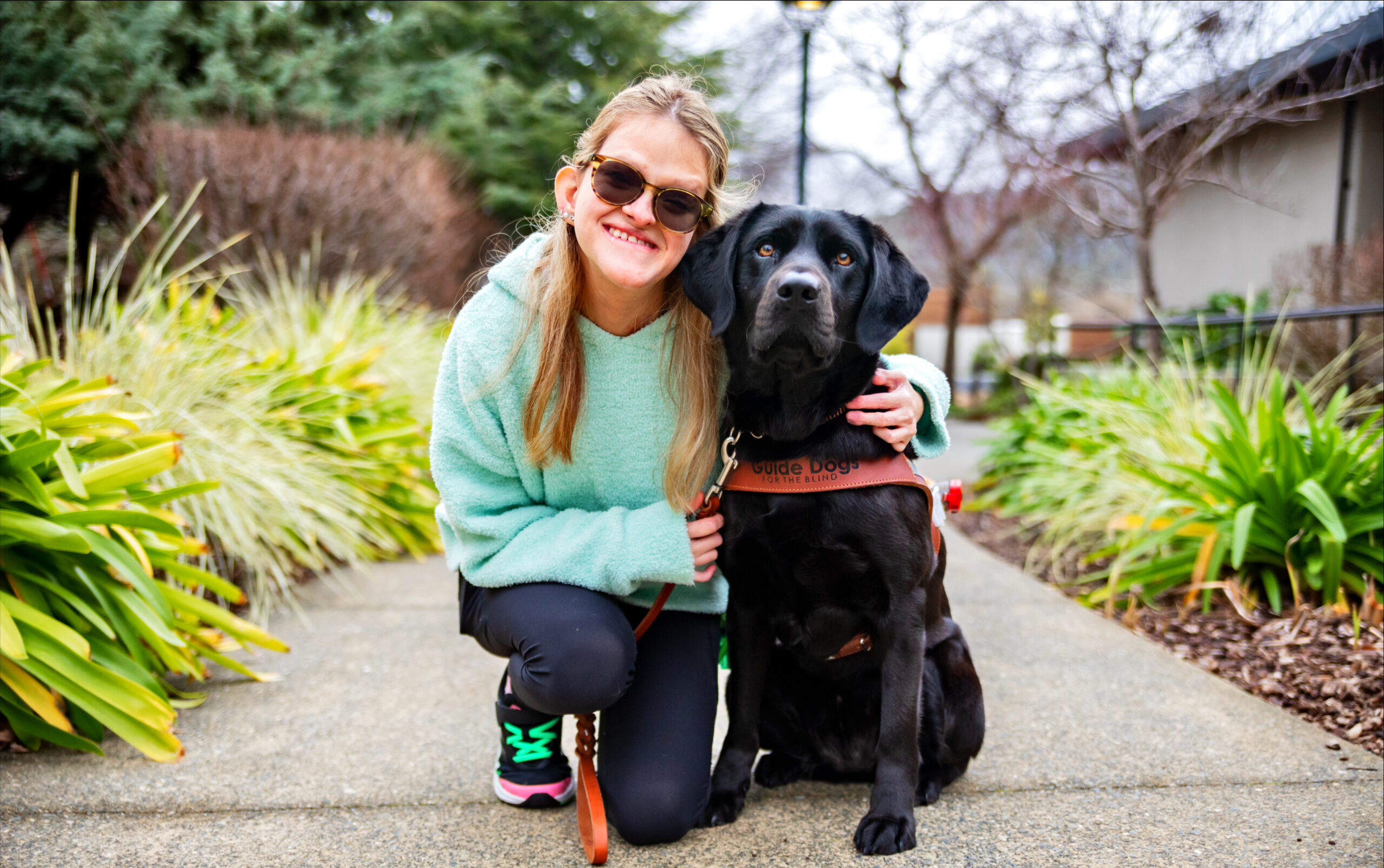
Not by the Book

Here at LearningWell, we are always interested in new approaches university leaders take to foster community on campus—with students, among students, and within the faculty and administration. So our ears pricked up when, at a recent gathering of educators, we heard Connie Book, the president of Elon University, speak about her practice of ambushing parents with good news phone calls. 

We asked her to expand on this and other things she does to help cultivate connection. Her experience and insights tap into her years as the first female provost and dean at The Citadel, a military college in Charleston, S.C., and far earlier to her own upbringing in a large family as the sixth of nine children.

LW: I heard you speak recently about your Friday phone calls to parents of students who’d done something noteworthy. I love this idea of catching students in the act of doing something good. Can you tell us more about it? 

CB: Sometimes it’s when they’ve done something like won an academic award, but other times it’s when they’ve taken on some role on campus, like they’re on a committee or helping us with something new that we’re trying to accomplish. Or sometimes it’s just students that I think, Oh, he’s really interesting. He just makes the student body more present. It’s such an easy thing to do. The parents are always grateful, and the kids are, too.

I do it on Friday afternoons because at the end of a long week, Fridays can be a day that some unpleasant things get dumped before the weekend. When I worked at The Citadel, the military guys would never take appointments on Friday afternoons because they said that’s when the second lieutenants came in and wanted to dump the problems on them, and they didn’t want to let this ruin their weekend. So it’s my realization that my Fridays could, depending on what was going on campus, really stage either a terrible weekend or a relaxing weekend. So I started being a lot more intentional about Friday afternoons. 

LW: As a mother of college kids myself, I imagine it could be really moving for a parent to get that call. Can you give us an example?

CB: The first call I made was in my second year here at Elon when one of our first-generation college students won a Goldwater Award. If you’re in higher ed, you understand what that means. But I thought, I think her parents don’t even realize what a significant achievement that was. So I just decided on Friday afternoon, I had the staff pull her record, and I called her father. They see the out-of-state area code for the university come up on their phone, so the first thing I say is, “Your child is healthy and fine and not in trouble.” Just to get all that off the table. I did have such a powerful conversation with him that day. It felt so good to share with him what a remarkable daughter he had and that she was doing such good things, and then explain what the Goldwater was and how much our community here enjoyed having her. And then he shared about all the hard work she had done to get to college from the time she was very young. It was a conversation about the hard work that young people do to make sure they have a good opportunity, the process, and the appreciation when scholarships come through and they can afford college. Just leaving home from Arizona to come to Elon was a risk. After I hung up, I thought, Wow, I should do this more often because it was driving my sense of mission and purpose about the work. You can get so wrapped up in politics or budgeting or some other challenge that it can be a barrier to really feeling the mission, and on those calls, I feel the mission and the impact it’s having. 

LW: What are some other ways you make yourself more present for the student body? Do I recall hearing you mention something about Ping-Pong?

CB: Yes. Friday is my day to connect with students. So I play table tennis at one o’clock for an hour. They sign up on a whiteboard. There’s always a line there to play. Students will say, “This was on my bucket list, to come play with you before I graduated.” I have parents show up, because they’ve heard I do it, and they’re good at it. So they’re like, “Oh, the next time I’m on campus, I want to play the president.”

LW: And how did this activity occur to you? 

CB: When my son was in middle school, he really started answering every question with one word answers. “Yes. No.” I could not get him to talk about anything. So I told him that winter, let’s bring the Ping-Pong table inside. We had played occasionally, but we started playing every day. And then I noticed that because you talk when you play, he would start talking more after a couple of sets. 

That’s true with the students here, too. I’ll always say, “Well, what’s your major? Where are you from?” And we get talking. My son now is an Olympic-rated table tennis player, so I know how to play, and I like to win. If they have a good hit and beat me, I’m always like, “Aaand … What’s your name again?”

LW: So this game isn’t just a walk in the park! But that is true about communication with teens, having that shared activity to get you talking. 

CB: I actually do walks with students, too, a couple of times a semester. I’ll invite student groups, post where I’m going, and anybody can show up and join us. What’s really funny about that is that students, when they see where I’m going to be, sometimes they do come to lobby me for different things. I had some theater students ask for a budget increase. It’s almost like I had a little tracker on me. “Yeah, we know where she is.”

LW: Ha! Future politicians. What about community building with faculty, staff, administration? Do you have strategies for outreach with them as well?

CB: I would say our culture is pretty open already. Like last week, I had two faculty conversations that I announced literally on Monday and had them on Friday. And I always have audience microphones. I have three suggestion boxes on campus and an online one where anybody can tell me anything.

LW: Are they used? 

CB: Yes. And they do tell me anything. Some are like, “The doorknobs are broken here.” But they are usually about things that make the workplace or the learning environment better. “Have you considered doing this?” 

I am a believer in letting people know you are open, saying to them essentially, “Hey, if you see something, let me know because I can’t see what you can see.” It may not create the solution they have in mind. Bring me the problem, but don’t get too wedded to the solution. They have to be open to us problem-solving together. 

LW: Do you have an example of some kind of problem brought to you that way?

CB: We have an ombuds program here for the faculty. It’s very official. You have to do the training. We pay a stipend. But one of the staff people that serves as the ombuds also happens to be an employee in Human Resources. And people said, “I’m not comfortable going to HR to talk to the ombuds person because it’s supposed to be a confidential unit.” I had never thought of that because we have been doing this through HR for a long time, and it never occurred to me that people saw that as a disciplinary unit so that there was hesitancy. We did add another ombuds person to the mix. And we worked together on the job description to give people more choice. 

LW: What kinds of things did you learn from the requests coming into the ombuds person? 

CB: What was really powerful about that is that I was always thinking it was workplace disagreements, but I learned a lot that people need somebody to talk to about personal challenges. They were coming to her for things like food insecurity, car repairs. And I was like, Wow, it’s almost like pastoral care. We have on-site counseling services for students but not employees. So it was a good learning moment for me as well. 

LW: Is that going to spark any kind of a change in the way you offer counseling services or pastoral services for employees? 

CB: It could. We have a chaplain here, and the chaplain has an emergency fund. Part of it was letting the ombuds person know they have a resource in the chaplain, who can help. But for some people, religion might be a barrier, too. 

LW: Is there anything else you’d like to add about community building? We’re at a very difficult moment nationally—both socially and politically, as well as educationally. Is there anything you do at Elon to break down barriers? 

CB: Well, we have 7,000 students on campus at Elon, and there’s a longstanding community dead-period—a time where you don’t have any classes—on Tuesday and Thursday mornings around 10 o’clock. On Tuesdays, we have College Coffee—free coffee and donuts outside when the weather is good—and there’s always several hundred people that come. And then on Thursdays, we have a spiritual program with singing. We’re not religiously affiliated. We’re independent. But there’s certainly a really vibrant feeling with multiple faiths represented. 

Also, we have a street that runs down the middle of campus, and during really difficult times, we will put a chalkboard out there. The day after the election, for example, we put up boards inviting the hopes that students had about the future. Politically, we don’t overly lean one way or the other, so the responses were really down the middle. Like, “There’s happiness for all to find joy in every day.” Or, “Strength and unity. God is good. We can all love and accept each other, no questions asked.” And then we kept them up in the student union for several weeks. I decided to take some pictures of them because every now and then I like to remember that part of what we’re doing on college campuses is the critical work of a future that we won’t be alive to witness, but we are planting all these seeds for a really strong future for all of us all around the world. To me, that is purpose-driven work. And I like to pull it out and be reminded.

“I like to remember that part of what we’re doing on college campuses is the critical work of a future that we won’t be alive to witness.”

LW: You have a very insightful and empathic way of talking about students and the experience of leading a university, something people might not expect to evolve from working in a military environment. How did you come by this mindset? 

CB: That’s a really good question. Growing up in my own family, I’m number six of nine kids, and both of my parents were educators. I think about all the great lessons of sharing and compromise and negotiation that you learn in a family. I think one of the things as a president that I think a lot about is that I see and witness things. And then my job is often to tell the story of that to people who influence the resources and regulatory policy that shape the world we live in on campus. 

LW: Thank you for that plug for the benefits of a large family. I have five children, but it doesn’t always feel like the world sees that as a positive. 

CB: Oh yeah, the good lessons of humility, of being an equal and doing your part. My job was to do the laundry growing up, three loads a day. 

LW: The chore chart. And the role of fairness and truth-telling. And squabbling and learning to work it out. Those are powerful things.

CB: I have been really aware of the power of this witnessing piece. And so now I think I’m intentionally looking all the time, talking to parents, and wanting to be effective in sharing the power of the work that’s going on on college campuses. Especially at a time when the negative rhetoric is suggesting that it’s not needed and it’s not worth it. Yet we all know 99 percent of what we’re experiencing on a college campus is good and powerful. 

“College-in-3”

Allie Jutton graduated from high school in 2022 with a pile of Advanced Placement credits and few options to put them to use at the kind of small liberal arts college she wanted to attend. But she knew she could save a lot of time and money if she could find a school that counted her A.P. work toward her degree.

Jutton, who grew up in Lakeville, Minn., landed at the University of Minnesota Morris. It offered the small college feel—just shy of 1,000 undergraduate students—and a well-publicized Degree in Three program, which could save students like her about $20,000 by graduating in three years, instead of four.

Jutton was sold. And now she’s graduating with a degree in psychology and a minor in gender, women, and sexuality studies and plans to attend Minnesota State University, Mankato in the fall for a master’s in mental health counseling.

“I came in with a lot of general education courses already done, like statistics, history, geography, and English,” Jutton said.​​ “It was cost-effective for me and my family, and it allowed me to get my degree a little faster.” 

At Morris, the Degree in Three program isn’t a new concept. Students with the drive and desire have always had the option to finish the standard 120 credits to earn a bachelor’s degree in a shortened time frame. However, it wasn’t until 2024 that the college openly advertised that all of its 32 majors could be completed in three years, if students chose to do so.

Morris is one of almost 50 institutions that have joined the College-in-3 Exchange, a nonprofit organization advocating for more undergraduate degree options that take less time to complete. The collective includes a diversity of institutions, from Georgetown University and the University of Miami, to Merrimack College and Portland State. When the incubator started in 2021, a dozen institutions signed on—and the group has grown each year.

“Higher ed needs to be reimagined in all kinds of ways, and this is a very practical way to create a catalyst for rethinking undergraduate education,” Lori Carrell, chancellor of the University of Minnesota Rochester, said. She founded College-in-3 alongside Robert Zemsky, professor at the University of Pennsylvania.

“Higher ed needs to be reimagined in all kinds of ways, and this is a very practical way to create a catalyst for rethinking undergraduate education.”

Nationwide, about 64 percent of students who start a degree program finish it within six years, with an average loan debt among borrowers of $29,300, according to the College Board. In 2023, Carrell testified to the U.S. House Subcommittee on Higher Education and Workforce Development about how the College-in-3 concept could improve student retention, degree completion, and career launch, either by developing accelerated 120-credit degrees or creating new curricula that reduce the credit requirement to 90.

“Accreditors have opened their doors to this,” Carrell said. 

Not for Everybody

While financial wellbeing is an obvious benefit of earning a degree in three years, the College-in-3 movement continues to head off concerns about less-desirable repercussions for students, like increased stress, feelings of overwhelm, or a rushed college experience. 

Jutton shared those concerns, initially. Her fears were eased after mapping out the course work with her advisor, taking into account the credits she brought with her from high school. Still, Jutton worked two jobs while in school, as a resident assistant and also as an assistant in the student engagement and events office. During her second year, she took 20 credits each semester. It was a lot at the time, but Jutton believes the experience also gave her skills that she’ll use forever.

“It taught me valuable life lessons. I’m really good at time management and my organizational skills are better than they were coming into college,” Jutton said. “I was able to recognize when I needed help and ask for it, as well as set boundaries for what I can and cannot do.”

As more institutions are joining the College-in-3 Exchange, they are also considering how to design curricula that take student mental health and wellbeing into account, Carrell said.

“The worry that you’re just going to rush students through and turn degrees into credentials, instead of deep, transformative learning? Nothing could be farther from what we’re doing,” she said.

Janet Schrunk Ericksen, chancellor at Morris, said that since the college started actively promoting the three-year option in February 2024, it’s been well received. The Degree in Three program features prominently on the website, and Ericksen said that it receives more page views than any other part of the site. Visitors also spend more time looking at the information.

“We serve a large percentage of students from historically underrepresented populations—low-income, first-generation students,” Ericksen said. “Giving them this path is important.”

Ericksen acknowledges, however, that completing a 120-credit bachelor’s degree in a condensed timeline isn’t for everybody. It’s easier for those who can use A.P. credit or pursued dual enrollment in high school, earning some college credits before arriving on campus. Most students also take a summer class or two along the way. She believes that certain degrees also lend themselves to quicker completion than others. Physics, for example, requires foundational knowledge before moving on to the next levels, so the major might be more challenging to finish in less than four years. 

“It’s not going to work for students who change their major six times or who want a triple major—and we have a fair number of those,” Ericksen said. “But the students who are really focused, they’re saying, ‘Yes, this is what I want, and it’s great to have a clear path.’”

An opportunity for experiential learning 

Institutions like Brigham Young University – Idaho, which serves an older population of working adults taking online classes, are finding that eliminating elective courses and reducing degree credits to 90 or 94 are helping students complete programs in majors like business management, applied health, and family and human services. The Northwest Commission on Colleges and Universities, an accrediting body, approved the truncated programs in 2023.

Still, not everybody is sold on the validity of a 90-credit degree. Some higher education experts and faculty members are concerned that it will create a two-tiered system and that employers may not value the degrees equally. 

But Madeleine Green, executive director of the College-in-3 Exchange, said the timing for higher education to make such changes is “propitious.”

“For all the questions that are out there about the value of a degree, employability of graduates, the cost of higher education, those are all factors that I think have propelled institutions to think about alternative pathways,” Green said.

Designing three-year degree programs with industry partners is leading to better outcomes, Carrell said. At the University of Minnesota Rochester, for example, students in health-related majors are offered paid internships at the Mayo Clinic, as well as job interviews upon graduation. The partnership has also helped the faculty design a tight curriculum that ensures that students are prepared for the workforce, while building in strategies like block scheduling, success coaches, and capstone experiences that contribute to student wellbeing.

“To know that there are these dire workforce shortages in healthcare deserts and we’re producing people who can go out and serve communities sooner is very, very satisfying,” Carrell said.

Peh Ng, chair of the division of science and mathematics at Morris, said the students she’s helped guide through three-year degrees aren’t missing out on the hallmark experiences of college, like undergraduate research, study abroad, and internships. Still, those who arrive at Morris without having earned any college-level credits have a much more challenging time finishing in less than four years—and often they don’t.

“A three-year program is really not for every student, but if a student tries it and it doesn’t work, then they finish it in four years. So at the end of the day, it bodes well for four-year graduation rates,” she said. 

Ng is among the faculty members who don’t agree with reducing credit requirements, especially in STEM fields, where she said the difference between taking 12 courses and seven is “huge.”

“You can’t have two tiers of programs,” Ng said. “I am a strong proponent of not changing the requirements.”

Jutton agrees with Ng—she wouldn’t have wanted to take a lesser load, she said. As she prepares to graduate, she has few regrets. Sure, another year may have afforded her a more robust social life, but she also found friendship and camaraderie among like-minded peers who were also on the fast-track to degree completion. Although Jutton will be younger than many of her graduate school cohort, she still feels prepared to move on.

“I think the biggest thing for me was finding supporters, like my career counselor and the faculty,” Jutton said. “I haven’t met someone who does not believe in me here and that was really important for me to be able to do the degree in three.”

A Framework for Flourishing 

If you studied or worked at a health-promoting university, would you know it? Would you recognize the institution’s commitment to wellbeing in your daily activities, your relationships, your environment? For the colleges and universities that are part of the U.S. Health Promoting Campuses Network (USHPCN), the answer to these questions is yes, or at least, that is the aspiration. 

The USHPCN is a coalition of colleges and universities dedicated to infusing health into their everyday operations, business practices, and academic mandates. It was launched in 2015 to promote the “Okanagan Charter: An International Charter for Health Promoting Universities and Colleges,” which offers a blueprint for making wellbeing an institution’s foundational principle.

As it celebrates its 10-year anniversary, the Okanagan Charter (OC) is now an institutional priority at 39 schools in the United States. Around 300 others are not official “adopters” of the charter but participate as “members” of its broader network. For these colleges and universities, the O.C. serves many purposes. It is a pledge, a road map, and in some cases, a license to experiment with new approaches outside the traditional lanes of higher education. More than anything perhaps, the Okanagan Charter is a major shift in thinking about what constitutes wellbeing on campus, as well as who is responsible.  

The Okanagan Charter is a major shift in thinking about what constitutes wellbeing on campus, as well as who is responsible.

“With the Okanagan Charter, institutions around the country are reimagining higher education as a catalyst for human and planetary flourishing on every campus, everywhere,” said Sislena Grocer Ledbetter, chair of USHPCN and associate vice president of counseling health and wellbeing at Western Washington University. 

International, Indigenous Origins 

The Okanagan Charter reflects an international recognition of the influence of higher education on “people, place, and planet”—the three domains frequently cited within the common language the OC provides. “Higher education,” the charter goes, “plays a central role in all aspects of the development of individuals, communities, societies and cultures—locally and globally.” Indeed, colleges and universities serve as not only large institutions but major employers, creative centers of learning and research, and educators of future generations. 

The OC grew out of the work of the World Health Organization’s Health Promoting Universities movement of the 1990s.  The document was formally launched at a 2015 International Conference on the University of British Columbia’s Okanagan campus in Kelowna, Canada. The first draft of the charter was based on input from 225 people with the support of a writing team and an additional 380 delegates who critiqued and refined the document. Its introduction includes an acknowledgement that the OC was developed on the territory of the Okanagan Nation.  

In addition to recognizing the influence of universities on people, place and planet, the charter’s creation and early appeal was in response to the growing international crisis in mental health. According to the Healthy Minds Study, the rate of (mental health) treatment (for college students) increased from 19% in 2007 to 34% by 2017, while the percentage of students with lifetime diagnoses increased from 22% to 36%. By 2015, it was becoming apparent that campuses in the United States were indeed not well. 

One recent paper, “The Okanagan Charter to improve wellbeing in higher education: shifting the paradigm,” suggests a public health approach is the way to solve this problem which led to overwhelmed counseling resources and concerns over inconsistent help-seeking. One of the authors is Rebecca Kennedy, assistant vice president for student health and wellbeing at the University of Alabama at Birmingham, the first school in the United States to sign the Charter. 

“For many years now, universities have been trying to help students on their campuses thrive and flourish, increasing the availability of services on campus,” Kennedy and her co-authors explain. “Many of these services, including mental health treatment, are directed towards individuals, which is important for that individual, but does nothing to create conditions that prevent the need for these services at the population level.” 

In their research, the authors found a paucity of population-based strategies and little examination on system-wide approaches. “There was little evidence of policy, systems, or settings wellbeing strategies in the higher education literature. There was a lack of scientific investigation and evaluation examining the impact of changes to public policies, regulations and laws that impact the health of college students.”

The Okanagan Charter is an effort to fill that void first by creating a framework for improved wellbeing at the population-level on campus and then capturing data that will show its effect over time. According to the charter, “Health promotion requires a positive, proactive approach, moving ‘beyond a focus on individual behaviour towards a wide range of social and environmental interventions’ that create and enhance health in settings, organizations and systems, and address health determinants.” 

For colleges and universities, this means applying a “settings and systems” approach to scenarios one might think of as singular or isolated. One example the authors offer is the diet of college students. While adding more nutritional food to the dining hall menu may be one (downstream) solution to improving students’ notoriously unhealthy eating habits, keeping dining halls open and accessible after hours or during breaks so students avoid resorting to vending machines would be the upstream approach. A Campus Determinants Model, within the Okanagan Charter and mapped to person, place and planet, further demonstrates these distinctions.  

Understanding What Institutional Wellbeing Looks Like

The document, which is 11 pages, provides institutions with a common vision, language, and principles on how to become health and wellbeing-promoting campuses. It includes two calls to action: “Embed health into all aspects of campus culture, across the administration, operations, and academic mandates; and lead health promotion action and collaboration locally and globally.”

What that looks like for campuses within a sector as diverse and tenuously connected as higher education is the big question and the primary work of  the USHPCN. Associated with the International Health Promoting Universities & Colleges Network, the USHPCN supports campuses in interpreting and operationalizing the Okanagan Charter framework, acknowledging the unique factors that influence the OC’s adoption on each campus. Designees from the institutional members, as well as from the schools who have formally adopted the charter, work as a network, meeting regularly and sharing best practices and metrics.  

Julie Edwards is the assistant vice president of student health and wellbeing at Cornell University and the chair-elect of the steering committee of the USHPCN. She is well known among the OC community, as she chairs the potential adopter cohort and is frequently called upon to consult with schools just starting their journey. She urged Cornell to adopt the Charter in 2022 and has made it a pillar of her work and that of the entire university with the full engagement of partners, from faculty members and facility managers to the president’s office.  

“First and foremost, the Okanagan Charter gives us shared language and a shared vision,” Edwards said of the OC’s implementation at Cornell. “An unintended but powerful outcome is that people have become genuinely excited to understand this health-promoting concept and their role within it. Wellbeing is no longer looked at as just an initiative from Cornell Health.”

Edwards said Cornell had an existing foundation of wellbeing support for students, staff, and faculty, as well as for the planet through sustainability initiatives. The Okanagan Charter was the Venn diagram that put it all together. After the adoption of the Charter, the school created multiple guidelines that align with the guiding principles. For example, if you’re thinking of revising or creating a new policy at Cornell, you are asked to consider the question, “Is this health promoting?”  

These criteria are used in decision-making throughout campus. To diffuse some of the academic stress among Cornell’s high performing students, changes have been made to transcript policies, including to avoid discriminating against students who have had to take an incomplete. Many colleges have also implemented credit caps to reduce stress of taking over 20 credits in a semester. Another recent policy change is that employees at Cornell are now allowed two additional floating holidays to use as they please.  

Through the Okanagan Charter, Cornell developed a Community of Practice—a structure that Edwards describes as “bringing together diverse folks who have shared goals to work together to solve complex problems.” With the participation of about 150 people on campus, the Community of Practice is also working on assessing the impact of the policies that have been adopted. 

“My hope is that when students, staff and faculty come to Cornell, they can feel a sense of care and compassion and support for their wellbeing. They can feel that they have equitable access to the services that are provided, and they are able to connect with others in meaningful ways to flourish.” 

At a very different campus, the team from University of Massachusetts, Amherst is equally as enthusiastic, though less far along in the OC process.   “We’ve been forming relationships, listening to speakers, really cementing the excitement for this concept as we move into implementation,” said Elizabeth Cracco, the assistant vice chancellor of campus life and wellbeing. 

Cracco said the Okanagan Charter, which is now part of the university’s strategic plan, came into view after the pandemic when every stakeholder on campus focused on a common goal. “During the pandemic, there was such a great demonstration of serving the greater good of the campus, and that made us want to keep going, to keep thinking collectively around wellbeing.”

Connecting the OC’s population-based approach to student mental health is a welcome strategy for Cracco, who is a trained clinical psychologist with student counseling within her purview. She said the Okanagan Charter allowed her to add a layer to this work, expanding their existing focus on providing individual mental health support.

“The systems we have built to deal with students who are in distress have not gone away,” she said. “But using this collective impact framework, we are able to consider larger issues, such as, ‘How are we going to undo some of the intended or unintended consequences of everyone’s attention going to a screen instead of each other or themselves?’ That’s a whole campus problem. That’s faculty, staff and students.” 

Cracco said what excites her the most about the work is the unexpected partnerships it is forging with other stakeholders on campus. As was the case during the pandemic, she is working alongside numerous teams on campus that are experimenting with new ideas, including creating a greater sense of belonging in the classroom and even making changes to the built environment. “We have a faculty member in the school of architecture who is working with her senior students on the redesign of our residence hall lounges,” Cracco said. 

Cross-sector partnerships are a commonly reported benefit for schools who have adopted the Okanagan Charter. For some, like Furman University in South Carolina, the OC framework was a natural extension of what was already happening on campus. Since 2018, the school has offered the trademarked initiative “The Furman Advantage,” a student-centered pathway that requires a first- and second-year program combining academic advising and student wellbeing.  

Furman’s involvement in the Okanagan Charter, first as an institutional member and then as a full adopter, was initiated by the Wellbeing Strategy Committee, co-chaired by Dean of Students Jason Cassidy and Meghan Slining, a faculty member in health sciences who is a well-known public health expert on campus.  

Cassidy said he had a good feeling about the Okanagan Charter right away and appreciated being part of a learning community that the USHPCN provides. 

 “People from campuses all over the country are really open to sharing what they’ve done, how they’ve done it, and meeting with you one-on-one,” said Cassidy. “But there’s no playbook. They give us a unified skeleton, and then it’s up to us to put the meat on the bones that makes the most sense for our campus community. I think that’s the only way you could get something like this accomplished.” 

While the adoption of the OC may have been an easy lift at Furman, it still represents a significant change in thinking on campus. Slining said she is frequently asked to explain the OC to people who, in another world, would never be expected to understand it. Their response continues to pleasantly surprise her.  

“This is not business as usual where the only people who care about health and wellbeing are from the health sciences,” she said. “Centers and groups all over campus are writing the language into their mission statements and figuring out how to incorporate it into their work. They’re fired up.” 

Reclaiming the Flame

In the myth of Prometheus, the Titan who dared to bring fire—symbolic of knowledge and enlightenment—to humanity is eternally punished by the gods. That ancient allegory resonates powerfully today as America’s universities stand increasingly constrained by forces that seek to shackle academic inquiry, undercut faculty authority, and reshape the mission of higher education itself. As detailed in my research “Prometheus on the Quad,” these attacks have intensified not just from reactionary politics but from creeping bureaucratization, misguided federal funding incentives, and ideological rigidity across the political spectrum.

But if faculty are the keepers of the academic flame, students are its essential beneficiaries—and too often, the first to feel the chill when the fire dims.

This connection between faculty autonomy and student engagement is more than symbolic. It is empirical. Institutions that promote genuine academic freedom, uphold tenure protections, and invest in faculty-led instruction consistently report stronger student satisfaction, deeper classroom engagement, and better post-graduate outcomes. The wellbeing of students is not an isolated variable; it is intrinsically tied to the institutional health of the professoriate and the educational environments they co-create.

The wellbeing of students is not an isolated variable; it is intrinsically tied to the institutional health of the professoriate and the educational environments they co-create.

A Fragile Contract: Faculty Freedom and Student Impact

The erosion of tenure, the expansion of contingent faculty, and administrative bloat—each detailed extensively in “Prometheus on the Quad”—do more than destabilize careers. They reshape classrooms. When faculty must teach overloaded course rosters, adapt to top-down curricular mandates, or fear repercussions for discussing controversial topics, students receive a sanitized, diluted, and ultimately less transformative education.

The result is a classroom culture of caution, not curiosity.

Students learn not just content but modes of thinking, inquiry, and expression from their instructors. A professor who is constrained in their teaching—by fear, by surveillance, or by policy—is unlikely to foster critical thinking or intellectual courage in their students. On the other hand, students in classrooms led by supported, secure, and respected faculty report greater psychological safety, a stronger sense of belonging, and increased motivation to participate in campus life and democratic discourse.

Engagement Rooted in Relationships

Research continues to show that meaningful relationships with faculty are among the strongest predictors of student retention, academic success, and wellbeing. The Gallup-Purdue Index found that graduates who had a professor who “cared about them as a person” were more than twice as likely to thrive in all areas of wellbeing (social, purpose, community, financial, and physical). But nurturing these relationships takes time, autonomy, and institutional support—resources increasingly siphoned away by administrative priorities or subsumed by faculty burnout and precarity.

In contrast, when institutions emphasize faculty mentorship, peer collaboration, and interdisciplinary learning, they empower students to co-create knowledge and find personal meaning in their education. At its best, this is the promise of higher education: not a rote path to credentials but a dynamic space for identity formation, moral development, and intellectual awakening.

A Campus Culture of Inquiry—Not Ideology

One of the most powerful ideas in “Prometheus on the Quad” is that neither the political Left nor Right holds a monopoly on the impulse to restrict inquiry. Whether through right-wing legislative censorship or performative DEI mandates, the consequences are the same: a narrowing of the questions that faculty are permitted to ask and, by extension, students are allowed to explore.

Student engagement and mental wellness suffer when campuses become battlegrounds for ideological conformity rather than havens for rigorous, open dialogue. True inclusivity doesn’t mean sheltering students from discomfort; it means equipping them with the tools to encounter, understand, and respectfully challenge competing ideas. That cannot happen when either political pressure or administrative fiat dictate what knowledge is safe to teach.

Universities must actively protect spaces for dissent, ambiguity, and difference—not only to uphold democratic ideals but to foster student agency and resilience. Students trained only to navigate echo chambers or scripted “correctness” are poorly prepared for the complexity of civic life or professional decision-making.

Structural Reforms to Fuel Student Flourishing

To reverse these trends and reignite the transformative mission of higher education, institutions should take tangible steps that strengthen both faculty freedom and student wellbeing:

1. Revitalize Tenure and Shared Governance

Tenure is not merely job protection. It is the bedrock of intellectual risk-taking and long-term mentorship. Universities should recommit to robust tenure systems and ensure faculty have meaningful roles in curriculum design, hiring, and governance.

2. Rebalance Administrative Spending

As highlighted in the source essay, the explosion of non-instructional administrative roles diverts resources from classrooms. Universities should conduct audits of spending and reinvest in instructional staff and academic advising.

3. Support Faculty-Student Research Collaboration

Paid research assistantships, co-authored projects, and inquiry-based learning deepen engagement and provide students with firsthand experience of the scientific and scholarly process.

4. Protect Academic Freedom and Viewpoint Diversity

Institutions should craft clear, consistent policies that defend free expression for both faculty and students, while resisting partisan pressures from donors, legislatures, or advocacy groups.

5. Center Pedagogy in Faculty Development

Offer training and support for inclusive, high-impact teaching practices that are grounded in evidence—not ideology—and which prepare students to engage across lines of difference.

6. Reimagine the Role of DEI with Academic Integrity

Diversity initiatives should enhance rather than dictate inquiry. Support frameworks that amplify underrepresented voices while ensuring that faculty retain the freedom to pursue diverse intellectual paths.

Conclusion: Lighting the Way Forward

In times of political instability, misinformation, and cynicism, the university remains one of the last best places to model the values of reason, reflection, and rigorous dialogue. But it can only do so if it protects the very people tasked with carrying that torch: its faculty.

To engage students, we must first empower scholars. To promote wellbeing, we must preserve the freedom to ask difficult questions. And to build a future of informed, thoughtful citizens, we must ensure the light of Prometheus does not go out on our campuses.

Ken Corvo is an associate professor in the School of Social Work at Syracuse University

Rethinking the Major and Redesigning the Path to Success with Ned Laff and Scott Carlson, “Hacking College”

On this month’s episode of LearningWell Radio, Marjorie Malpiede is joined by Ned Laff and Scott Carlson, co-authors of “Hacking College: Why the Major Doesn’t Matter and What Really Does.” They discuss the flaws in traditional higher education pathways and explore how students can better align their college experience with their passions and career goals. With insights into personal development, career success, and the hidden job market, this conversation offers a fresh perspective on navigating college in a way that fosters long-term wellbeing and career fulfillment.

Listen now on Spotify or Apple Podcasts.

Success and Strain 

As college students prepare to leave their institutions and brave the world, many are eager to sport their newly minted degrees after time spent engaging in self-exploration, discovery, and development. However, those who unknowingly attach themselves to their college success may spend subsequent years untethering their worth from the diploma hanging on their wall. Data suggest gay men may fall victim to this trend most and may be left alone to navigate the mental health fallout, which goes unnoticed by institutions focused on rewarding their high performance capabilities. Our colleges and universities should better understand their role in perpetuating this potentially harmful achievement cycle among high achieving, developing students. 

In an op-ed for The Washington Post, Joel Mittleman, assistant professor of sociology at the University of Pennsylvania, explains that gay students in 2022 earned a bachelor’s degree at sixteen percentage points above the overall national average. While interesting in isolation, this achievement gap only widens when further analyzing the success rate of gay men in comparison to their straight counterparts. Mittleman reveals that gay men were 44% more likely to be degree recipients than straight men and 50% more likely to earn their doctorate degrees. This level of success is notable. Some may even find it inspirational. However, the reason behind such success must also be questioned. 

The development of gay men has been examined in recent years to make meaning of their orientation toward high achievement. In his 2012 book, The Velvet Rage, Dr. Alan Downs explores how gay men overcompensate to combat homophobia and the stereotypically masculine roles they often do not see themselves in. He found that gay men aim high in their career and life pursuits, as they develop into adults. Even earlier on, they often achieve greatly in their academic performance. Further supporting this compensational achievement notion, the “best little boy in the world” hypothesis initially surfaced in a seminal 1973 text of the same title by Andrew Tobias. In it, he recounts the method of deflecting attention by acting according to the norms he knew would be celebrated. By doing so, he would maintain his closeted queerness and collect accolades along the way.

Theorists and psychologists, like Downs and Tobias, bring forth an understanding of how gay men utilize their outperformance as a source of esteem they otherwise may not feel while being authentically themselves. Thus, the tie between achievement and oneself grows strong, especially the longer the men are closeted. Particularly for college students who are already navigating the tumultuous tides of identity development, the internalization of external pressures brought on by societal norms may result in added stress. Furthermore, these overcompensation strategies fueling academic pressure may only be exacerbating the already disproportionate levels of mental health challenges gay men report.

Key findings from the 2021 Proud & Thriving Project—a collaboration between the Jed Foundation and the Consortium of Higher Ed LGBT Resource Professionals— show that LGBTQ+ students experience higher levels of stress, loneliness, isolation, and hopelessness as compared to their heterosexual peers. These statistics are further substantiated in a study from the Williams Institute at UCLA School of Law in collaboration with the Point Foundation, the nation’s largest LGBTQ scholarship fund. The results from the study reveal that fewer LGBTQ people experienced a sense of belonging in college compared to non-LGBTQ people and were over three times as likely to report that their mental health was not good most of the time, if at all, while in college. The mental health challenges of the LGBTQ+ population are not relegated to the college years, however. They are seen spanning the course of one’s lifetime. In 2018, the American Psychiatric Associationreported that LGBTQ individuals were more than twice as likely to have a mental health disorder than heterosexual men and women in their lifetime. More specifically, gay men were observed as experiencing adverse mental health outcomes, including mood disorders, substance use, and suicide, more frequently than heterosexual men. 

Perfectionistic ideals that gay men already face because of a society that does not always accept them are reinforced in the college environment, where GPAs and degree completion are prioritized.

In concert, academic success rates, mental health data, and developmental theories paint a picture of the gay college student experience, a picture that, while still colorful, may look more muted in pigment. Perfectionistic ideals that gay men already face because of a society that does not always accept them are reinforced in the college environment, where GPAs and degree completion are prioritized. Though it is apparent that they are well-equipped to meet the academic expectations set before them, they must also harbor a great deal of resilience in the face of isolation, stress, and anxiety. With little to no acknowledgment of what may be lying beneath the shiny surface of good grades, student organization participation, and campus leadership, gay students are rewarded for their academic prowess and left to pick up the pieces of their strained mental health in the aftermath. Holistically speaking, this emotional labor presents an inequitable barrier to truly embracing both achievement and identity. This phenomenon is not the plight of gay men alone. Students from various marginalized backgrounds face similar pressures in different ways as they, too, strive for academic success.  

Higher education institutions have made progress in expanding their resources for LGBTQ+ students. Though being called into question more recently, these supports have provided visibility and community on campuses across the United States. While these spaces have served as bastions of acceptance, they simply are not enough to account for the unique mental health challenges that today’s college students face and the sustained impact of higher education. More attention must be given to high-performing students who may struggle to process their identity development separate from their achievements. While challenging, it is important for institutions to consider what tools, strategies, and mechanisms they have to support students who may not otherwise display signs of distress. 

The induced achievement pressures that gay college students experience make their academic success a double-edged sword—both impressive and troubling. It also reveals an opportunity for reframing. How academic success is both defined and rewarded should be rethought. In doing so, institutions must make certain that they are not reinforcing the harmful perfectionist ideals that disproportionately affect marginalized groups. We should ask ourselves how we can support the healthy development of students while preparing them for what comes next so that they thrive while on our campuses and long after. 

Willord Simmons is a student affairs professional and the current project manager for student engagement at the Bloomberg Harvard City Leadership Initiative. He is also a Ph.D. student in higher education at the University of Massachusetts Boston, where his research interests focus on student development, student success, and the multifaceted impacts of college on learners. 

More Reasons to Do the Right Thing

In the following excerpt of his upcoming white paper, Richard Miller, president emeritus of Olin College for Engineering, lays out key traits and behaviors of “good character” that correlate with wellbeing. Teaching these qualities in the classroom, Miller suggests, may help all students thrive in life and career. How exactly to “teach” character, however, is less straightforward and will require research. The full paper, out next week, will include a full list of references to all research invoked.

There is ample evidence from multiple sources that an array of attitudes, behaviors, and beliefs correlate well with wellbeing in life, both for individuals and for societies. These include traits long associated with good character including gratitude, generosity toward others, forgiveness, humility, integrity, honesty and trustworthiness. While it may appear that these elelements of character have lost their preeiminece in a society so seemingly tolerant of their absence, the connection of personal and collective wellbeing to character may help re-establish it as something worth teaching and practicing. 

There are many questions here for higher education including whether character should be among the goals of transformational education approaches, which are strongly tied to outcomes such as belonging, agency, purpose and meaning. In many cases, the evidence on character and wellbeing comes from research in positive psychology, but other fields are also involved, including medicine, political science, economics, sociology, and public safety. While this evidence is largely from correlation and may not necessarily be causative, it indicates that there are many potential educational experiences within the character domain capable of producing enhancement to lifelong wellbeing.

However, this only intensifies the need for experimentation with different pedagogical approaches to determine if and how these characteristics may be successfully “taught” or inspired in student populations in ways that result in lasting wellbeing after the college experience. In general, this research will require diligent assessment with reliable metrics that are nationally normed. As we continue to track evidence of the impact of character on wellbeing, we do so within the context of it becoming dispensable at a time when it is most urgent. 

Considering Life Goals. A recent survey of millennials found that over 80% list becoming rich among their major life goals, and another 50% of those same millennials list becoming famous as another major life goal. Apparently, there is also a strong belief among college students today that becoming rich and famous will lead to a good life. This is not new.

But scientific evidence from the Harvard Study of Adult Development—one of the most comprehensive studies in history—indicates that people who invest in long-term relationships based on trust, respect, and compassion have the highest levels of wellbeing throughout life—independent of wealth, fame, or other measures of success. On the other hand, wealth and fame are actually orthogonal to happiness. They don’t make you happy or unhappy. However, the pursuit of those things at the expense of pursuing human connection makes people less happy and less healthy.

As a result, promoting early conversations with college students about what it means to create a “good life” with long-term wellbeing is likely an important preliminary step in developing learning experiences in higher education that result in improvements in long-term outcomes for alumni. Educating students about the difference between dedicating oneself to accumulating wealth and fame—or, on the other hand, seeking life-long wellbeing, which has more dimensions—may be an important step that we can take to improve long-term outcomes. Students can’t address a problem they aren’t aware of.  

Although there are several competent definitions of long-term wellbeing, the most accepted may be the one adopted by Gallup (after 80 years of research) that has been used in ranking the world’s happiest countries. It involves five dimensions: career, social, financial, physical, and community wellbeing. This longitudinal Gallup data provides the only available opportunity to explore the long-term impact of learning experiences we implement today. These are obtained by correlation studies with the Gallup data to extrapolate into future decades.  

However, when reviewing the evidence for character and ethics in promoting wellbeing, the lack of available longitudinal data in this area from the Gallup surveys requires that we broaden our review and consider evidence from multiple sources. This evidence is included in the current summary to illustrate what we know about good character and ethical behavior as it correlates with wellbeing.

Gratitude. Research strongly suggests that practicing gratitude is associated with improved wellbeing and mental health. Gratitude is linked to increased happiness, reduced stress, and better overall emotional wellbeing. 

Research indicates that gratitude improves wellbeing in several ways, including reducing stress and anxiety by lowering stress hormones like cortisol, leading to decreased anxiety and improved mood. Gratitude also can be shown to boost self-esteem and confidence by recognizing and appreciating the positive aspects of your life that can counteract negative self-talk and foster self-acceptance. Expressing gratitude further improves relationships by strengthening bonds and fostering positive interactions. Gratitude practices can promote relaxation and reduce worries, contributing to better sleep, while improving resilience. Finally, regularly expressing gratitude can shift your focus towards the good in your life, leading to increased happiness and contentment.

Altruism and Generosity. It is not difficult to find evidence for many elements that would be considered within “good character and ethical behavior” that correlate well with a good life—altruism and generosity, for example. Evidence shows that spending money on others promotes happiness. One widely cited study showed that spending money on others produced greater happiness than accumulating more money for oneself. In addition, it showed that participants who were randomly assigned to spend money on others experienced greater happiness than those who were assigned to spend money on themselves. Another larger, more recent study reached the same empirical conclusion based on a sample size of more than 5,000 participants. 

Extensive research on the science of generosity has been produced at the Greater Good Science Center at the University of California at Berkeley. The research conducted and monitored there further confirms the positive benefits of engagement in altruistic activity and generosity on health and wellbeing in several dimensions.  

Forgiveness. Research shows that forgiveness can promote wellbeing in several ways. For example, forgiveness can improve mental health by reducing symptoms of depression, anxiety, and stress. It can also improve self-esteem and promote a sense of flourishing. In addition, forgiveness can improve physical health by lowering blood pressure, improving cholesterol levels, and reducing pain. It can also strengthen the immune system and improve heart health. Forgiveness can also lead to healthier relationships and can be a form of coping that helps alleviate perceptions of stress.

Forgiveness interventions can be effective in promoting mental wellbeing. For example, one study found that participants who completed a self-directed forgiveness intervention workbook saw improvements in their ability to forgive, as well as reductions in depression and anxiety symptoms. Interventions in forgiveness can involve letting go of anger, resentment, and negative past events; realizing that the best revenge is no revenge; living in the present and learning from the past; hoping and planning for the future; and acknowledging the wrongdoer as a moral agent who has failed but respecting the perpetrator’s perspective.

Humility. Humility involves acknowledging one’s limitations, accepting feedback, and being open to learning from others without excessive pride or arrogance. Research suggests that humility is strongly related to increased wellbeing and mental health, including lower rates of depression and anxiety. Humility helps buffer the effects of stress on wellbeing, leading to lower levels of stress and anxiety. Humble individuals are more likely to have a realistic understanding of their strengths and weaknesses, leading to greater self-awareness. 

Integrity. Though there are unlimited interpretations of the word, “integrity” is commonly accepted to refer to people who act with authenticity and honesty by speaking the truth; presenting themselves in a genuine way with sincerity; showing no pretense; and taking responsibility for their own feelings and actions. Research indicates that integrity promotes wellbeing by fostering trust, reducing stress, enhancing job satisfaction, facilitating healthy relationships, and fostering a positive organizational culture where employees can thrive. Furthermore, studies link “strong moral character” (i.e.,integrity) with reduced risk for depression, anxiety, and cardiovascular disease.

Honesty. Research and studies suggest that honesty significantly promotes wellbeing, both mental and physical. Honesty fosters trust and strong relationships. When you are honest, you build trust with others, leading to stronger relationships with friends, family, and colleagues. This trust is crucial for building healthy and supportive relationships, which are essential for wellbeing. Honesty reduces stress and anxiety, promotes self-esteem and self-acceptance, enhances mental and emotional wellbeing, improves physical health, and promotes openness and communication. However, there are situations in which being completely honest may result in hurting someone’s feelings, or in the case of speaking truth to power, might bring retribution.

Trustworthiness. Research indicates trustworthiness is strongly linked to improved wellbeing, both individually and within communities. Trust fosters a sense of safety and security, which is fundamental for mental and emotional wellbeing. When individuals trust others, they feel less anxious and more confident in their relationships and interactions. Trust promotes healthy relationships and social connections; contributes to better mental health outcomes; can improve physical health; is essential for building and maintaining healthy communities; and is particularly relevant in healthcare settings and in the workplace. In summary, trustworthiness contributes to a greater sense of security, belonging, and wellbeing, both for individuals and communities.

Influence on Community

Most of the evidence presented above is derived from studies of wellbeing in individuals that might result from attitudes, behaviors, and beliefs derived from good character and ethical behavior. However, there are similar correlations between these factors at the macro or societal level, too. Research shows that the social environment significantly impacts ethical behavior. Individuals are influenced by the norms, values, and expectations prevalent within their social circles, which can shape their perceptions of what is considered right or wrong. An illustration of the macro correlations is provided by comparing the list of the world’s happiest countries, determined by Gallup using their wellbeing index, with the list of the world’s most corrupt countries, as determined by the Corruption Perceptions Index published annually by Transparency International. It is striking that these rankings reveal an obvious inverse correlation across the globe between the happiest countries and the most corrupt countries. For example, Denmark and Finland are ranked at the top of the happiest countries by Gallup, and they are also ranked as the least corrupt countries in the independent ranking by Transparency International.

An Imperative for Higher Education

The evidence presented here makes clear that several elements of good character and ethical behavior are well correlated with enhanced health and wellbeing in both individuals and communities and society at large. These elements may therefore be considered candidates for introducing new learning experiences in higher education aimed at improving life-long wellbeing in college graduates. This opens the door to investigate faculty-driven innovations in higher education that are intended to promote the development of these characteristics in college graduates in hope that this will contribute to improved long-term outcomes for all enrolled students in the future.

The evidence presented here makes clear that several elements of good character and ethical behavior are well correlated with enhanced health and wellbeing in both individuals and communities and society at large.

However, much remains to be determined. While there clearly are many new possible learning experiences that promise to enhance wellbeing, the magnitude of the impact of each of these—both immediate and long-term—is, as yet, undetermined. Some may prove to be more effective than anything that we know about at this point, but many others are likely to prove insignificant in improving wellbeing later in life, depending on how they are defined, taught, and promoted. The only way to determine this is through experimentation and assessment. 

It is our hope that faculty at many institutions will take the lead in developing pilot projects and experiments to explore these issues and share their findings broadly so everyone may learn what works best. This includes not only experimentation with the core ideas behind the intervention but also the pedagogical process used to implement them at scale in a variety of academic institutions.

This will inevitably involve research and experimentation in pedagogical innovation. For example, it is not clear how to “teach” honesty and integrity so that these values and behaviors are internalized and treasured by all graduates for a lifetime. Assessment will play an indispensable role in guiding the process of developing these interventions to the point of demonstrated effectiveness. Only when effectiveness can be demonstrated by objective data shared with others can we be assured that programs are achieving their intended purpose. Ideally, the assessments will be based on nationally normed tools that correlate with long-term wellbeing, such as the longitudinal data developed by Gallup over decades of measurement in this area.

In making the case for the inclusion of character and ethics in higher education towards improved wellbeing, it would be careless not to state the context for which we make the argument. It is fair to say that each of the pillars we have explored here—including integrity, truth, humility, and altruism—are declining within the collective tissue of our society today. One example is the recent report of the decline of effectiveness of student honor codes at some of our best universities. The paucity of what character scholars call “moral exemplars” is particularly disturbing. The most effective defense against such erosion of character and ethics in society is provided by strong and consistent attention to character formation in the young. Higher education has an opportunity to help build character and instill ethical behavior in its students for the benefit of their long-term wellbeing and that of society overall.  

Experience U

The first time Willow Clark had been outside of the United States was as a second-year college student on a semester abroad in Costa Rica. Her experience there working for an indigenous women’s organization and living with an indigenous host family changed her life in ways she could not have imagined. It also gave her the confidence and the motivation to pursue a number of other experiential learning opportunities in her remaining years at Nazareth University, a liberal arts institution in Rochester, New York.

Clark will graduate from Nazareth next month having participated in 13 experiential learning programs, five of which were study abroad. As impressive as this sounds—and is—Clark’s experience with travel and service is the norm at Nazareth, where students begin experiential learning as early as their first year.  

To Nazareth University President Beth Paul, what could be construed as a resume-stacking exercise at some schools is the path to personal growth at hers. “Experiential learning is at the core of what we do,” she said. “While it is still a ‘checkbox’ at many institutions, here it is a dominant form of learning.”

It has long been established that experiential learning (EL) in college, typically in the form of internships, study away and service learning, produces positive outcomes, such as improved retention, engagement, graduation rates, and career preparation. Yet, despite the evidence, experiential learning has not been adopted as a fundamental pillar of higher education for a variety of reasons: it can be resource intensive; require extra work on the part of students and the school; and be intimidating for those who have not had much exposure to learning outside the classroom. The result is an uneven distribution of EL opportunities that are often limited to the privileged or the highly motivated. 

Nazareth, on the other hand, felt the evidence of the benefits of EL was so compelling that it was the school’s moral responsibility to offer it to all students. To achieve this goal, the school has implemented a systemic approach to EL that addresses each of its typical barriers by integrating it into the curriculum, matching it to students’ interests, making it accessible to all students, and starting early. As reflected in the 2023 journal article, “Sparking Early Experiential Learning:  Enhancing College Student Participation Through Support, Structure and Choice,” Nazareth has “flipped the narrative” on experiential learning by making it the responsibility of the institution, not the student, and by offering it to everyone, including those who participate the least and may benefit the most.

Nazareth felt the evidence on the benefits of EL was so compelling it was the school’s moral responsibility to offer it to all students.

Experiential Roots 

Nazareth’s intentionality around experiential learning is part of its DNA. Founded as a Catholic school by the Sisters of Saint Joseph in 1924, Nazareth University has been committed to EL as a way of living its mission “to serve neighbor to neighbor without distinction, to be of and for the times, and to work for progress.” As it celebrates its 100th anniversary, Nazareth is doubling down on these traditions and strengthening what it calls “change-maker education,” set forth by the Sisters of Saint Joseph.  

“We are a community of people who choose to work for progress,” said Paul. “Our education is helping students develop the capacity, the tools, the mindset, knowledge, and skills that will help them go out and make a positive difference in the world.” 

“Nazareth is one of those places that is very true to its mission,” said Emily Carpenter, Nazareth’s associate vice president of experiential impact. Carpenter is well versed in the benefits of EL and other high-impact practices, having studied and published on the subject. She says there’s nothing more gratifying than seeing the evidence play out in real time on campus. 

“Experiential learning at Nazareth is this beneficial spiral that helps our students feel like they belong,” she said. ”It keeps them here. It helps them figure out what they want to do with their lives. ‘Am I going in the right direction, or do I need to change course?’ And it gives them the experience to become more confident and more willing to take on more opportunities for growth.” 

“Experiential learning at Nazareth is this beneficial spiral that helps our students feel like they belong.”

The school offers eight learner-centered pathways, including mentored research and community-engaged learning, designed to speak to students’ individual interests. A biology major may want to do research with a faculty member or mentor. A musician may choose to engage with a local performing arts organization. The backbone for this activity is The Center for Life’s Work, led by Carpenter, which offers a coaching model for all students that starts in their first year and goes beyond traditional career development to include navigating an array of experiential learning opportunities at Nazareth. 

In 2010, Nazareth made EL part of the core curriculum, and many of its 60 majors have specific EL requirements. The intent is to strengthen the EL experience with credit-bearing courses and opportunities that are both curricular and co-curricular. Often, these active learning experiences are baked into courses. “You don’t have to sign up for it. You don’t have to pay for it,” said Carpenter. She pointed to one example of an English literature class in which students read the same books as incarcerated individuals in the community and discussed the material with them on Zoom.

“It was amazing to see how much they had in common.” 

Providing the SPARK

In an attempt to address what the literature showed to be a participation gap in experiential learning, the school implemented an award-winning grant initiative in 2018 called Students Pursuing Academic and Real-world Knowledge (SPARK). Available to all first- and second-year students (as well as transfers) with a GPA of 2.5 or higher, the SPARK grant offers a $1,500 scholarship and tuition waivers to help cover costs for international experiences, unpaid summer internships, or mentored research—three among the eight EL pathways that often require more money and time. 

SPARK was designed with both equity and early participation in mind. Carpenter says not all students embrace EL immediately, particularly first generation or low-income students who are less familiar with the concept, or students who are reluctant to step out of their comfort zones. SPARK grants cover a large portion of the program fees and flights associated with short-term programs, which the coaches in the Center for Life’s Work help identify. Early engagement in EL programs paves the way for additional involvement, leading to a cumulative effect of EL’s benefits and a job-ready repertoire of real experience come graduation.

 “SPARK can literally be the nudge that students need to engage early,” Carpenter said. “Sometimes the student who does a short-term study led by a faculty member in the summer says, ‘I could totally go abroad for a semester, or I could absolutely take that internship in another city.’”

President Paul sees SPARK as central to Nazareth’s ethos. “At many institutions you have to wait until you graduate to make an impact in the world. Here you are working on real world problems right from the beginning. SPARK is the mechanism that allows for that.” 

For many students at Nazareth, SPARK is the difference between getting in the game or sitting on the sidelines. And for these students, the win can be even greater. In her journal article, “Sparking Early Experiential Learning: Enhancing College Student Participation Through Support, Structure and Choice,” Carpenter reports on SPARK participation and outcomes overall and related to students from underserved backgrounds. The results show the value of even a small amount of incentive funding. 

As of spring 2025, over 1,350 students participated in SPARK’s three pathways. Participation in total credit-bearing summer internships increased 125% in 2018, the year SPARK was introduced. Study abroad participation also jumped, with short-term programs increasing 157% in the first year. Underrepresented minority students comprised 15% of Nazareth’s total population at that time but made up 20% of SPARK participants. 

The research also found that GPAs, retention rates, and graduation rates of SPARK participants were consistently higher than those of the non-SPARK participants, with the impact being particularly noticeable for underrepresented minority students. These students experienced a 42% bump in four-year graduation rates, and average GPAs increased from 2.68 to 3.32.

“This is consistent with the literature that says that when students from underrepresented backgrounds participate in high-impact practices, they benefit even more than their majority peers. Whatever all students are getting, they get an even bigger boost,” Carpenter said. 

The SPARK program continues to maintain a 99% first-to-second year retention rate among participants. GPAs of SPARK participants average 3.5, compared to 3.1 for non-SPARK participants.

The Wellbeing Factor 

According Gallup, engaging in experiential learning and other high-impact practices, like having a mentor in college, positively influences a student’s wellbeing long after graduation. Carpenter hopes to validate this theory with her own data on Nazareth alumni, though doing so may take several years. Meanwhile, it is clear that Nazareth’s adoption of early EL experiences is part of the school’s wellbeing agenda—what President Paul calls “the student thriving strategy.” 

“Experiential learning is a central part of learning to thrive,” said Paul. “You have to be able to open yourself up to new and different opportunities. You have to be able to take calculated risks. And you have to be able to see things from multiple perspectives.” 

In addition to the EL requirement, Nazareth has a wellness requirement as part of its core curriculum. The requisite can be completed by taking a yoga class or being a member of a varsity sport—or students can take a course within their major that includes a wellness component. Unlike many schools that continue to delineate wellbeing from other departments, Nazareth has a Wellness Collective, led by Kim Harvey, the associate provost for student experience and dean of students, who reports directly to the provost. Harvey brought together a diverse group of administrators, academic deans, and student affairs professionals to consider how every department within the school is thinking about the wellbeing of students, faculty, and staff.  

“Using the ten dimensions of wellness that focus on areas such as financial, creative, digital, etc, we’re tapping into all of these individual aspects to help our students develop skills that they will use well beyond Nazareth in their future work,” said Harvey.

For Willow Clark, personal growth was a big part of what she gained from her EL experiences at Nazareth. As she heads into her final opportunity abroad—studying the Holocaust in Germany and Poland—she reflects on how what she’s experienced has impacted her wellbeing. 

“When I think about my experience in Costa Rica, I would say it was the best and hardest three months of my life. It tested my mental health and my ability to relate to people. There was culture shock and stress. But ultimately, putting myself in that position made me stronger. And ever since then, I’ve really leaned into the idea of seeking that discomfort in my life because it is those experiences where I feel the most growth.”  

Influencers for Life 

Ellise LaMotte, Tufts University’s Associate Provost for Student Success, knows how difficult college can be, particularly if you feel you don’t belong. Where she now works to connect all kinds of students with the support they need to succeed, she once felt utterly alone as a Black woman in a predominantly White, male field.   

LaMotte says the early setbacks she experienced as a first-year engineering student only made her more determined to make it in technology, business, and academia. After graduating from Northeastern University with an engineering degree, she spent years in telecommunications, earning a master’s and then a Ph.D., after working at Babson College. That led to a position at Olin College of Engineering, where she came full circle, realizing she had arrived at a position to make a difference in the STEM space for students, especially underrepresented ones. 

In this interview for LearningWell, LaMotte discusses what motivated her to continually move forward in school and life, starting with her desire to make her parents proud. 

LW: Has education always been important to you?

LaMotte: Growing up in my household, I honestly thought there was a law on the books requiring everyone to attend college. That stemmed from my dad. He had a great work ethic and expected us to have the same. Our only responsibility was to work hard on our education. He was determined to ensure that my brother and I attended college and were going to be successful and self-sufficient.  

So, my first motivation for attending college and pursuing advanced degrees was simple: to make my parents proud and to make sure I took advantage of their hard work.

As I grew older, I excelled in math and science—and, more importantly, I liked the subjects. The first time we dissected a cow’s heart, I was all in, and math was like a game I wanted to win. Everyone around me told me I could become an engineer and could make a lot of money. That advice led me to attend Northeastern University in Boston.

LW: What was that experience like?

LaMotte: It was very different. I grew up in Jamaica, Queens, New York, in a predominantly Black and brown neighborhood, and suddenly, I found myself in spaces where I was in the minority all day long—usually the only woman and the only black person. That change of environment started playing out in my head, reinforcing the messages I always heard: You have to be twice as good. You have to work twice as hard.”

I was determined to succeed, but I didn’t know how. My freshman year was a disaster. I had never failed a class in my life, yet I failed physics. That alone was tough, but what made it worse was another physics professor, who was also my advisor, one day came over and asked me and the two other women in the class, “Why are you in my classroom?” Then, he flat-out told us, “You should go home to your moms and become nurses, or teachers.” Needless to say, I dropped the class.

LW: Wow. What got you through? 

LaMotte: First off, my self-determination was strong. Second, I joined a Black women’s engineering sorority, Sigma Beta Epsilon, Inc., and I saw that these women, who were not much older than me and who looked like me, were succeeding in engineering. This was another piece of my how-to-be-successful puzzle. I now had mentors who said to me, “You can do this.” Fast forward to today, and these women are my friends who have become family. Other puzzle pieces I discovered from the sorority members were how to study, how to use my time wisely, and how not to be afraid of faculty office hours. And with this encouragement, I got a lot braver. In every class, I sat in the “power” middle seat in the front row. I thought to myself, “If you are going to ignore me, then you are going to ignore me intentionally.” There was no doubt that my motivation in college and afterwards stemmed from the mantra, “I’m going to do this because you think I cannot.”

“I’m going to do this because you think I cannot.”

LW: What did you do after college?  

LaMotte: My first job out of college was with a telecommunications company, and compared to college, my experiences were similar. I was usually the only woman and only Black person in a management role. I supervised people who were older than me and who were mostly White men. One man said to me, “You are my granddaughter’s age. What can I learn from you?”  Another time, I was told to change my hairstyle from braids, which I did not, potentially costing me future advancement. Through it all, I learned a great deal during my years in telecommunication, and these lessons learned shaped me professionally. However, I ultimately found the corporate world unfulfilling. 

LW: How did you end up in academia? 

LaMotte: I moved out of the corporate world into the non-profit space, supporting women entrepreneurs as they grew their businesses. I enjoyed creating initiatives and programs that directly support the dreams of others. From there, I found my way into higher education. I was finishing my Ph.D. in Education when I got an opportunity to join Olin College of Engineering, working for the provost as the director of academic services. Olin is a very creative place, where I found community and found I could get involved in initiatives on campus supporting students. I thought this is what I was meant to do—to support students in STEM who are underrepresented so they can shine. Over time, I wanted to be more student-facing, and that was the impetus for my move to Tufts University. 

I would also like to add that I had many role models during my doctoral journey. My professors and in particular my dissertation chairperson Dr. Tara Parker were instrumental as I altered my motivation, from extrinsic to ones that were more intrinsic. I now set goals to satisfy my interests and passions, so I can focus on honing my skills to support students whether I am at work or in my community providing service.

So back to my Tufts University journey, my first role there as the Center for STEM Diversity director was a great experience and made me realize my goal was to provide support for a larger student population on campus. So that opportunity and others at Tufts grew into my current role as Associate Provost for Student Success, working directly with President Sunil Kamar, Vice President for Strategic Initiatives Marty Ray, and Vice Provost for Education Cigdem Talgar. In this role, I work collaboratively to develop initiatives and opportunities, so all Tufts students are succeeding and thriving, regardless of their backgrounds. We are always thinking and asking the question, “What programs or structures can we put in place to support students at varying levels so they can thrive?” 

LW: You’ve fulfilled so many of the goals that motivated you. I’m assuming you have made your family proud.

LaMotte: Oh yes. I mentioned my dad. He was my silent cheerleader, and my mother was my out-loud cheerleader. They were present for my college and graduate school graduations. My mom was present for my doctoral graduation. Even though my dad was not there physically, his spirit was, as he received a shout out from University of Massachusetts’ Chancellor Dr. J. Keith Motley during his welcome address. As for my own nuclear family, my daughter witnessed me working while attending school, and she has always been proud of me for my efforts. Thus, I believe I am a good role model for her. As for my husband, he supports me in whatever I want to accomplish, makes way for me to reach my goals, and says to me at every turn, “Just go for it.” So, I always do!

Putting Purpose to Work

There were a thousand things different about them and one, at least, the same. They were nonprofit directors, HR officers, consultants, psychologists, journalists, researchers, quite a few university administrators, and even a college sophomore. All of them, it turns out, believe work should feel meaningful—maybe so they can be happier or help others be happy, maybe to boost their company’s bottom line or general productivity. Whatever the reason, around 150 of them from all over the country showed up in Lower Manhattan last week to explore bringing this vision to life.

The draw was the first annual conference of the Initiative on Purpose and Flourishing (IPF) on its home turf at New York University’s Stern School of Business. The theme of the March 27 event, “Purpose and Flourishing in the 5-Generation Workplace,” captures elements of the new initiative’s evolving focus, including wellbeing and career and an emphasis on the rising generation of workers. Just eight months since its founding, IPF is shaping up to be what might be called a think tank-plus, encompassing research, teaching, partnerships and events. And true to its business school sensibilities, it aims to translate theory to reality, bridging academia and practice.

“I love that this conversation can lead to actionable plans, programs, new ways of thinking, new ways of teaching,” IPF Director Suzy Welch said in her opening at the convening on Thursday. “We can help our young people, but also everybody, have ideas about how to find their purpose and live it and help organizations be a part of that process.”

“We can help our young people, but also everybody, have ideas about how to find their purpose and live it and help organizations be a part of that process.”

Suzy Welch, now a professor at Stern, unknowingly laid the foundation for IPF when she was still in school herself. Working as a crime reporter after college, she developed an interest in business journalism that led her to Harvard Business School. There, scholarship criteria had her studying around the clock to keep her grades up and debt down. “It made me an unpleasant student,” she said of her academic diligence. She remembered a peer chastising her for not attending a graduation party and, he told her, ‘not valuing fun.’ Incredulous at first, she started to wonder if he wasn’t right. Did she value fun? What did she value at all?

“I had no idea. I had never had those thoughts before,” she said. “I was growing up in a time where we did not sit around talking about those things, like what is the meaning of life, how do we flourish, what is purpose.” These new questions would guide her personal and professional life up to, and including, when she started teaching the class on them—literally. Before she launched the initiative, Welch designed a course called “Becoming You: Crafting the Authentic Life You Want and Need,” which she described as “a journey of self-discovery” and a chance for students to explore “a first cut at what their purpose might be.” 

Students responded to the material, and “Becoming You” earned a waitlist of hopeful participants. But something was missing, Welch found. She wanted to push the ideas beyond the classroom and individual students. She envisioned uniting thinkers and leaders in not only academia but business and nonprofit spaces, who were already tackling these issues—purposeful work, effective leadership, productivity—but on their own. “There should be a sort of a center where we all get together and talk about this,” Welch told then-Dean of Stern Raghu Sundaram. He agreed, and so began the plans for IPF.

An important step in getting this project off the ground was the addition of Senior Associate Director Dustin Liu to the IPF team. Liu joined from Stanford University’s Life Design Lab, where he was the associate director. The Life Design Lab promotes the work of “Design Your Life” (DYL), a Stanford course teaching students how to apply design principles to figure out their values and plot their futures. DYL, Liu said, is centered on “developing mindsets and behaviors through a particular framework”—the DYL framework—whereas IPF is an “umbrella” exploring various frameworks across jobs and institutions.

Liu said to think of IPF’s focus as a two-by-two matrix: “individual purpose” and “individual flourishing” on one edge and “organizational purpose” and “organizational flourishing” on the other. Liu and Welch, like DYL, are interested in how to help students thrive. They also want to home in on how people’s wellbeing influences the wellbeing of their workplace, and vice versa. “Those of you who are academics in the classroom know that when you look into the faces of the students, there’s a crisis,” Welch said at the IPF convening. “But it’s not just students.”

If the energy at the conference is any indication, IPF has identified a gap many are eager to help fill. The event brought into tangible focus the people IPF aims to connect and the concepts and practices they hope to promote. Audiences heard from, to name a few, a business professor about generational stereotypes that create divisions in the office where there could be alliances; a psychologist about the communication strategies that can cultivate more functional work relationships; and a corporate leader about management styles transforming employee productivity and retention. Many attendees worked in student-facing roles, and many within that group had a background in DYL. But not all. 

Whatever experience they arrived with, these like-minded people, having found each other at last, filled the conference room with the joyful buzz of early morning introductions and boisterous chatter that lasted all day. They didn’t sound like a group that will be keeping what they learned to themselves.