
This story, from Georgia Tech student Alexis Seith, explores how we can pursue feelings of wholeness by noticing fragments of ourselves – regardless of whether those fragments can be pieced back together. Alexis finds both pain and beauty in the pieces of her life as well as a way to hold both at once. This story was produced in partnership with The Narrative Engineer conference through The Georgia Institute of Technology.
Category: Perspectives
Keeping it Real

A new research update from the Human Flourishing Program at Harvard poses an instructive question on the use of A.I.: Do large language models (L.L.M.s) promote or impede flourishing? This seemingly simple question, if taken seriously, could prove to be an effective lens in considering how these technologies are designed and produced and how they are ultimately used.
“Flourishing Considerations for A.I.” applies the Human Flourishing Program’s six domains of flourishing — happiness, health, meaning, character, relationships, and financial security — to five sets of considerations. Two pertain to A.I. product developers on the nature of the output provided by L.L.M.s and the specific design and packaging of particular A.I. products. The other three sets pertain to the user of A.I. products concerning decisions about the extent and nature of use, the effects of A.I. use on human knowledge, and the effects of A.I. on persons and communities.
In identifying the players, motivations, and risks of L.L.M. technologies, the paper provides a guide, complete with guardrails and benefits, that brings us back to basics: Is our use of A.I. helping or hindering us when it comes to our ability to flourish as individuals and as a society? While the authors suggest ways to better build or use what currently exists, they do recommend eliminating one erroneous offering: the chat bot companion. They conclude that, for humans to flourish, we need to interact with other (real) humans.
The following is an op-ed on the subject from Tyler J. VanderWeele, the lead author of the report and director of the Human Flourishing Program. The article originally appeared in Psychology Today.
Can We Remain Human in the Age of A.I.?
By Tyler J. VanderWeele
Artificial intelligence technologies have been rapidly rising. Their potential applications are extraordinary, from information synthesis to robotic surgery, statistical analysis, civil engineering, and more. By leveraging and re-packaging vast quantities of existing knowledge, they seem to open endless possibilities for their use, but also for abuse.
Like any tool, A.I. can be used for good or for ill. If these technologies are to enhance human flourishing, rather than impede it, then we need to consider whether the design of A.I. technologies and our engagement with them are oriented towards our own flourishing. Of particular concern is how our use of these technologies is affecting our capacities for reason, for relationship, for transcendence, which go to the heart of our human nature. Are we finding a greater fulfilment through these tools? Or do they threaten to diminish and constrict our lives?
A Flourishing Lens
In a recent paper from the Human Flourishing Program at Harvard published in the journal Information, we have put forward a set of Flourishing Considerations for A.I., discussing how a “flourishing lens” can guide decisions on the design and use of A.I. technologies related to: (i) the type of output provided; (ii) the specific A.I. product design; (iii) our engagement with those products; the effects this is having on (iv) human knowledge; and on (v) the self-realization of the human person.
Are we finding a greater fulfilment through these tools? Or do they threaten to diminish and constrict our lives?
We’ve made use of our general framework for conceptualizing and assessing human flourishing, oriented around six domains: happiness, health, meaning, character, relationships, and financial resources. We argue in our new paper that whenever an A.I. product is developed, and whenever we are deciding whether to use it, we should consider how it will affect our happiness, health, meaning, character, relationships, and financial security, among other aspects of a good life. If the effect on some of these outcomes is likely detrimental, developers should consider whether it can be redesigned to mitigate these negative effects. Whenever it is clear that our own use would have negative effects on these outcomes, we should question whether we would be better off without it.
Respecting and Fulfilling Human Nature
Of particular concern is what these technologies might be doing to our nature as human persons. For instance, there is evidence that substantial use of A.I. tools such as “large language models” (L.L.M.s) can hinder users’ cognitive abilities. If we become weaker in our reasoning, we are flourishing less, not more, as human persons.
Given that L.L.M.s also get things wrong (so-called “A.I. hallucinations”), we should not place any absolute reliance on them or their products as sources of knowledge. They might be helpful in searches or in pointing us to relevant source material. However, knowledge fundamentally requires justified true beliefs, the justifying evidence that cannot be overturned. Evaluating evidence and searching for truth are fundamentally human activities. A.I. technologies may require a yet greater (not lesser) scrutiny of evidence than before if the web of human knowledge is not to be damaged.
Perhaps of yet greater concern is the potential effect of A.I. technologies on human relationships and our capacity to love. Various studies have indicated that roughly one-third or more of American teenagers are using A.I. agents for companionship, as friends, or romantic partners. While these might sometimes temporarily alleviate loneliness, the longer-term effects on flourishing are likely detrimental. They decrease the motivation and time available for engaging in face-to-face interactions. Furthermore, because A.I. chatbots are designed to be exceedingly agreeable and supportive, they also create unrealistic expectations as to the sort of interactions, sympathy, and comfort one may hope for in a real romantic partner or a friendship. They thereby also alter the broader social environment and our capacities to engage with one another. When our capacities to engage in real relationships are weakened, we are flourishing less, not more.
Certainly, there are cases in which A.I. chatbot applications can be helpful, from user-tailored educational opportunities (perhaps replacing Massive Open Online Courses – MOOCs) to skill-building programs for autistic children, to civil discourse training for college students. However, in each of these cases, the technologies should ultimately point us back to real human relationships. A human teacher, for example, not only helps in acquiring knowledge, but also in forming the whole person, in modeling the integration of knowledge into life and emotion, and in developing capacities for mutual understanding.
Such considerations as to the effects of A.I. technologies on human fulfillment also pertain to our artistic pursuits, our experience of beauty, and our search for meaning and purpose in life. Ultimately, we cannot outsource our meaning and our joy in relationships, our freedom and our responsibility, our reasoning and our understanding, our appreciation of beauty and our capacity for awe and wonder, or, in total, our flourishing, to technology. These things are a part of what it means to be human.
Practical Next Steps
Navigating all of this can undoubtedly be challenging. To help address these matters, we have recently launched a Flourishing and A.I. Initiative. We need to develop practical wisdom to determine which uses are beneficial and which are not. We should work together as individuals, as parents, and as communities, to develop the discipline needed to choose not to make use of these technologies when they are going to impede our flourishing. When we use A.I. technologies, we should ask ourselves how we might carry out such tasks better ourselves, to enhance our minds, not weaken them. We should limit use to ensure sufficient time to be with other people and in communities. We should continually question, with each use, whether it is enhancing or inhibiting our capacities as human persons.
These flourishing considerations also have implications for developers. Developers of A.I. technologies using chatbot interfaces should ensure they provide regular reminders that they are not human; that their outputs might be wrong; and that users might want to consider alternative activities or in-person human interactions. This could all be implemented immediately, with all A.I. chatbot products, and could considerably improve users’ decision-making.
Moreover, as noted above, while some chatbot products may indeed be beneficial, we believe developers should entirely discontinue the development of relational chatbots given the negative long-term effects these likely will have on human relationships. The detrimental effects of social media on youth flourishing may be only the tip of the iceberg if A.I. companions replace real relationships. Developers should ultimately spend their effort on designing products that will more likely have unambiguously beneficial or neutral effects on flourishing, and prioritize those over products that might be more mixed or detrimental, even if profitable. The development and promotion of these products carry with them moral commitments and responsibilities. We should hold developers morally and legally accountable for the foreseeable harms their products bring to users and society.
While any new technology comes with new opportunities and new challenges, including those that may affect possibilities for human fulfillment, the potential for A.I. technologies to severely alter, damage, and replace relationships is arguably unprecedented. We need to take these matters seriously if we are to flourish. The use of a flourishing lens in evaluating A.I. technologies is essential.
You can reach LearningWell Editor Marjorie Malpiede at mmalpiede@learningwellmag.org with comments, ideas, or tips.
Supporting Student Mental Health Requires a Whole-Campus Approach
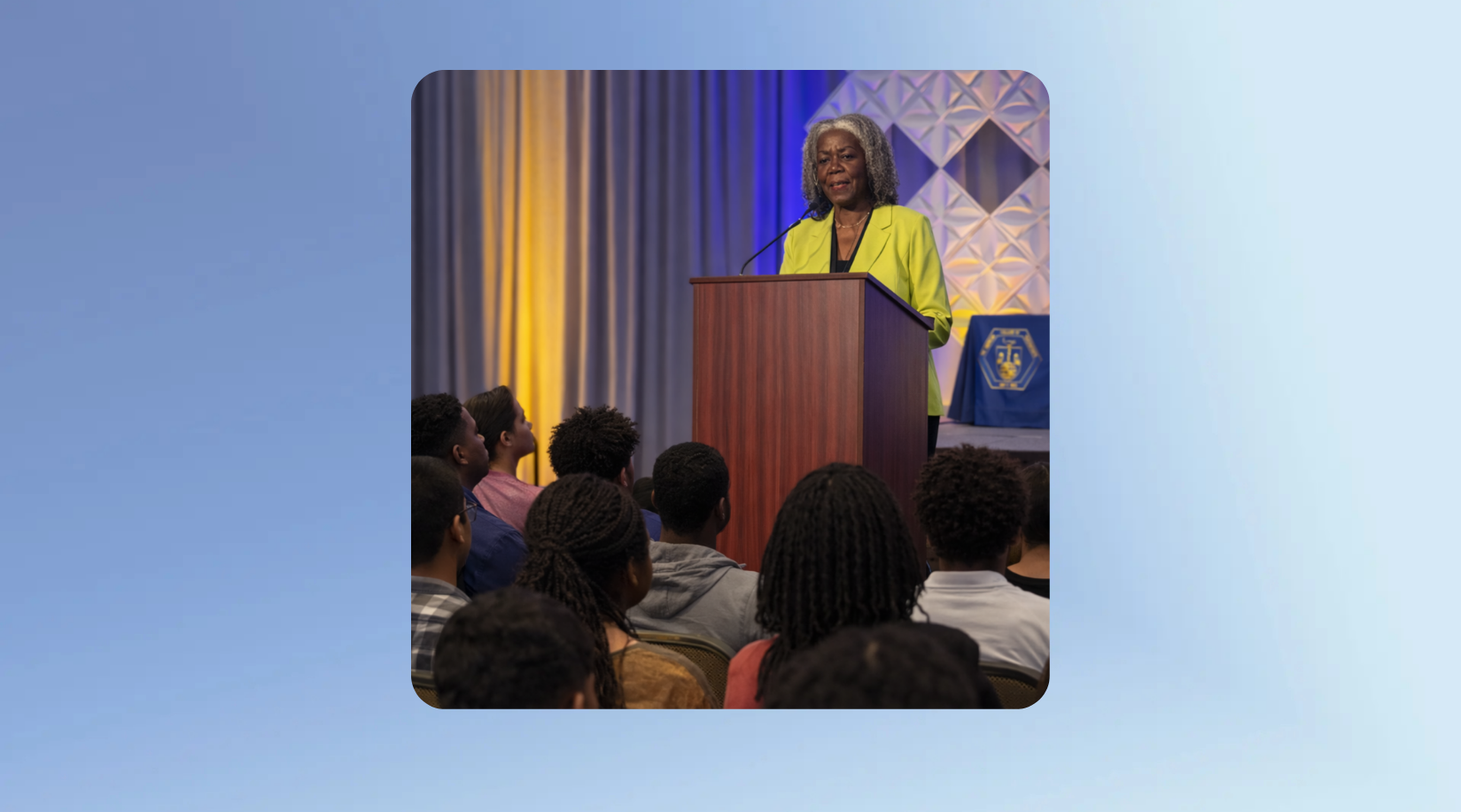
More than 60 percent of college students meet the criteria for at least one mental health problem, according to the national Healthy Minds Study. Yet only about 12 percent receive care through campus counseling centers.
That gap tells us something important.
When students are struggling, they are not always walking into counseling offices. Research shows they are far more likely to turn to family, friends, or peers first. They also confide in professors, advisors, coaches, mentors, and resident assistants, people they see regularly and trust.
This raises a simple question: Are our campuses set up to meet students where they are?
Too often, they are not.
At many institutions, student mental health is still treated as the responsibility of counseling centers. These centers are essential, but they were never meant to carry this work alone, especially as the world students are navigating has grown more complex and the ways they seek support have evolved.
As a psychiatrist and senior medical director at The Steve Fund, I have spent much of my career focused on improving mental health care for young people, particularly those from underserved and under-resourced communities. Through The Steve Fund’s Excellence in Mental Health on Campus initiative (E.M.H.C.), we have worked with colleges and universities across the country to better understand what it takes to create campuses where students can thrive.
What we have learned is both encouraging and instructive: When institutions treat mental health as a shared responsibility across the campus community, meaningful change becomes possible. Since 2016, The Steve Fund has partnered with 66 colleges and universities across 23 states, reaching more than one million students. Across these campuses, mental health has gradually shifted from being seen as a clinical issue to a broader institutional priority.
That shift shows up in practical ways, as campuses implement strategies to strengthen awareness of mental health resources and integrate student wellbeing into the broader campus environment.
Some campuses embedded mental health resources directly into course syllabi, so students encounter support information within their academic environments. Others incorporated counseling center information into the institution’s Simple Syllabus template and added counseling resources under the “Student Resources” section of the campus website, making support easier for students to find. Institutions expanded outreach efforts to increase awareness and trust in counseling center services. Examples included featuring counseling center staff on the student radio station, creating a “What to Expect from the Counseling Center” video in partnership with the marketing department, and placing counselors in academic buildings rather than solely in separate health centers.
When students are struggling, they are not always walking into counseling offices. Research shows they are far more likely to turn to family, friends, or peers first.
Student engagement and leadership teams hosted events designed to foster connection, inclusion, and belonging — protective factors that support student mental health and persistence. Some campuses introduced breakout sessions for parents and caregivers during new student orientation to help families better understand student mental health challenges and available campus resources.
Institutions have also launched coordinated campaigns to increase awareness of counseling services using multiple communication channels, including campus flyers, digital displays on campus TV screens, and targeted outreach to departments, student clubs, and organizations.
These changes may seem modest on their own. Together, they reflect a broader shift in how campuses think about student wellbeing, and it sends a powerful message: Student wellbeing matters everywhere on campus.
Just as importantly, campuses are beginning to recognize that student voices must be central to shaping mental health solutions.
Through listening sessions and peer-led discussions, institutions gained deeper insight into the realities students face, from academic pressure and financial stress to impostor phenomenon and experiences of exclusion or isolation. When students were invited to participate in the decision-making process, institutions were better able to design programs that felt relevant, accessible, and culturally responsive.
Another important lesson has been the value of collaboration across institutions.
Too often, colleges attempt to solve mental health challenges in isolation. But through the E.M.H.C. learning network, participating campuses are sharing strategies and innovations, accelerating progress across institutions.
One campus convened a district-wide mental health summit that brought together students, faculty, and staff to discuss wellness and belonging. Another embedded mental health priorities into its institutional strategic plan. Others developed faculty training programs focused on trauma-informed leadership and how to recognize and respond to student distress.
These examples point to something important: Improving campus mental health does not always require entirely new programs. Often, it begins with rethinking how existing systems, from orientation and advising to faculty development and campus communications, can better support student wellbeing.
This shift is particularly critical for students from underserved and under-resourced communities. Many students of color, first-generation students, and students from low-income backgrounds face additional barriers when seeking mental health care, including stigma, lack of culturally responsive providers, and feelings of isolation on campus.
When institutions intentionally center belonging and cultural responsiveness, students are more likely to seek help and remain engaged.
Ultimately, the lesson from our work is straightforward. Mental health must be embedded in the environments where students learn, live, and connect. Counseling centers remain essential, but they cannot carry this responsibility alone.
Faculty shape classroom experiences. Student affairs leaders create spaces designed to foster belonging and peer connection. Administrators set priorities and allocate resources. Each has a role to play. When those efforts come together, campuses move from reacting to creating conditions that support wellbeing from the start.
And that shift matters, not only for student mental health, but for student success.
Students who feel supported are more likely to persist in college, engage in campus life, and reach their academic and professional goals. Mental health is not separate from student success; it is foundational to it.
The challenges facing today’s college students are real and complex. But across the campuses we have worked with, one thing is clear: meaningful progress is possible when institutions commit to building environments grounded in trust, belonging, and culturally responsive care.
The path forward is not about doing more in one place.
It is about making sure students are supported wherever they are.
Colleges must move beyond viewing mental health as an isolated service and begin treating it as a core element of the campus experience. That shift is underway, but far from complete.
The lessons from this work are outlined in The Steve Fund’s Excellence in Mental Health on Campus retrospective report, which highlights strategies campuses are using to embed mental health into institutional culture and student success initiatives. The full report can be accessed here: Excellence in Mental Health on Campus (EMHC): A Retrospective Report – The Steve Fund
Dr. Annelle Primm is senior medical director of The Steve Fund, a leading nonprofit dedicated to promoting the mental health and emotional wellbeing of young people from underserved and under-resourced communities.
Study Abroad Is Not for Everyone

Adding three to the “staying” side and another three to the “going” side, I recently opened a spreadsheet to keep track of the friends who I will (not) see as often around campus throughout junior year. It was only once I began to record my friends’ impending study abroad adventures that I accepted the truth about my own college life: I will not sacrifice a semester at school in order to go abroad.
I feel this looming sadness as a sophomore at Georgetown University, which has a particularly global-minded student body. Studying abroad at Georgetown feels more like a rite of passage than the right opportunity for a certain kind of student. About 16 percent of bachelors-earning undergraduates nationally will study abroad, while Georgetown boasts a 57 percent abroad rate. In our School of Foreign Service, the percentage hovers around 80 percent. For this reason, many Georgetown students no longer waste their precious breath to ask if a peer plans to study abroad. Rather, students ask each other where they are traveling and for how long.
Whichever way the conversation goes, the student staying on campus becomes accustomed to bearing the burden of proof for his own decision. For some, foreign travel is just so obviously enriching for their career paths that they could hardly imagine it not applying as clearly to their friends’ journey. Others just cannot fathom how anyone could opt out of taking a semester-long adventure.
Sometimes pursuing an unconventional path for the sake of being true to oneself actually requires as big a leap — as much self-introspection and reliance — as chasing adventures on the other side of the world.
The typical student who chooses not to go abroad is one familiar with hearing that he will regret it for the rest of his life. The language of regret is hardly unique to studying abroad. So many decisions to abstain from what others are doing are vulnerable to self-doubt when they are expressed. What was once an assured decision sounds uncertain in the voice of a student who has lost his confidence. Sometimes pursuing an unconventional path for the sake of being true to oneself actually requires as big a leap — as much self-introspection and reliance — as chasing adventures on the other side of the world. There is more than one way to realize our full selves in college, including by learning to trust our own instincts.
Especially at Georgetown, it is no coincidence that most students study abroad during their junior year. When I saw the peak of academic rigor, my junior fall, in the distance, I promised myself that I would instead opt for the rolling hills of Florence, Italy. Little could be better than escaping dining hall food for cacio e pepe, all while augmenting my pre-law G.P.A. with classes that past villa dwellers had told me were a breeze.
But the longer I waited for my once-in-a-lifetime study abroad experience to begin, I realized that college itself was a life-altering experience. The opportunity to live abroad for such an extended period of time may never come again, but college also feels quite precious. Friends, classmates, and professors are an inevitable part of student life, but they only form a community when they live and work in close proximity. Study abroad professors offer valuable knowledge, but they are still unlikely mentors when compared to a professor whose office is just a short walk away from a residence hall back on campus.
Even if abroad coursework covers major or general education requirements, there may be more that a student wants out of their degree. A degree can become more than an arrangement of words on a diploma since unique classes can imbue a student’s coursework with personal significance. Many college students still remember the drag of taking obligatory classes in high school and revel in realizing the academic freedom that was long withheld from us.
The opportunity to live abroad for such an extended period of time may never come again, but college also feels quite precious.
That abroad coursework even covers major or general education requirements is also never guaranteed. For up to a week before new semester class registration, thousands of students are piecing together the right classes with the best professors, to fit the right requirements at the right time. For students like me who double major with a minor, a good semester schedule is already almost as puzzling as it gets in college. Nothing kills a good study abroad plan quite like discovering that two required classes conflict timing-wise and that overloading credits is the only excruciating solution.
Students can find themselves studying abroad despite these constraints, but the pain tolerance should be higher for students whose course of study necessitates a journey abroad. If I was a Classics major, my degree path would feel incomplete without a semester abroad in Italy. As of now, I remain convinced that Washington D.C. is the right place to further my education and experience in American politics.
Leading with what convinces me is enough to feel satisfied with my own decision to stay, even as so many people I care about are going. There is some irony here: the study abroad decision that I would most likely regret would have been prompted by an exogenous fear of regret itself. If I ever go abroad, I want it to be because I led myself there, not because I mistook someone else’s path for my own.
Aaron Polluck is a sophomore at Georgetown University studying government. He writes for The Georgetown Voice.
“Split Ends” by Michael Costello
This story from Olin College of Engineering graduate Michael Costello finds him wondering which pieces of his high school identity to bring into college. In the absence of actively cultivating his identity, he discovers his ability to flourish in college gets tangled up — like hair that hasn’t been cut in a while.
Advising for Life

Despite battling a double-bout of Covid-19 and strep throat, Destiny Barletta is smiling when she joins our Zoom call. The director of alumnae connections at Wellesley College even dressed up for the occasion, sporting a lime houndstooth blazer (and summoning the signature pantsuits of her institution’s most famous graduate, Hillary Clinton). There’s very little, apparently, that could keep Barletta from talking about her work supporting the professional development of Wellesley alumnae.

And that means all of them. Unlike many colleges and universities whose career centers focus on enrolled students and more recent graduates, the prestigious women’s college in Wellesley, Mass. has, for the last ten years, extended services to alumnae of any age or stage. As Barletta explains, career is rarely one-and-done, particularly in our rapidly changing world. At Wellesley, career development now means embarking on a lifelong search for growth and meaning. After all, even former Secretary of State Clinton navigated her share of job transitions — and weighty ones at that.
As the offerings at Wellesley’s Center for Career Education continue to become better known, more are taking advantage. 1,915 graduates attended advising appointments between June 2024 and 2025, nearly 300 more than in the previous year. With LearningWell, Barletta describes what that lifelong professional engagement looks like in practice, why it’s important for alumnae and students alike, and how it’s bringing a global institutional community closer together.
LW: I thought we could start by talking about your title — the director of alumnae connections. What exactly does that entail?
DB: So that entails thinking about career education in terms of alums and their careers, much in the way that many career centers work with students — exploration, industry advising, and support around very functional things, like cover letters and application materials and interviewing. All of those kinds of conversations that we have with students, we also have with alums, but tailored to where alums are in their careers — all the way from those second destination roles to thinking about what an active retirement might look like.
Reentry to the workforce after a break for some kind of caregiving is something that happens a lot. Wellesley is a women’s college, so that is an important part of many conversations. And then we’re also thinking about opportunities and programs for alums to connect with students as a part of career exploration. So, how can alums be a valuable resource for lived professional experience for students?
LW: Was yours a role that always existed at Wellesley? Or at what point did you all decide to dig more into the alumnae piece?
DB: This did not always exist at Wellesley. About 10 years ago, the career center at Wellesley was reimagined and became what now we call Career Education. And at that time, with a very generous gift from an alum, we began to offer career advising for alums for their whole careers. So at that point in time, this role came into existence.
LW: Do you know what the thinking was behind that decision to invest more in alumnae engagement?
DB: It was a commitment to the idea that graduation isn’t a stopping point for an intentional career journey. We do such good work around experiential learning to help students see that their professional identities, in a variety of ways, are integrated into their broader life experience, and it’s not just one thread that you can pull out that then stops the moment you graduate. So if we are doing our work really well, students graduate and see their career journey is just that — a journey. It’s something that you continue to tend to and navigate, as you build skills, build experiences, build connections, and explore.
“If we are doing our work really well, students graduate and see their career journey is just that — a journey.”
And so that ability to continue to connect with Wellesley around networking and advising becomes really important. And we appreciate that requires an investment. It’s an investment in staffing and in training and in funds. But it also helps our students to see that when we say that this is ongoing work, we mean that. We’re here through the duration of that, and your fellow people in your Wellesley community are here for that.
LW: I like that because I imagine with Wellesley grads, who are so high performing, there could be a lot of that feeling like, “My first job needs to be my last.” Do you find that’s a pretty common sentiment?
DB: Yes, that is very true — true of Wellesley students and grads, but also more broadly. There is this sense that what comes on the other side of graduation needs to be right. You need to get it right. And helping graduates think about what does “right” mean for them, that is a values question. But also, what we know about the future of work is that having a flexible, skills-based approach that is grounded in some really solid experiential learning can prepare grads for a variety of first destination roles, with this kind of underlying assumption that there isn’t a single “right” thing. There is just a thing that is going to utilize skills and experiences you’ve built and provide you with additional opportunities for meaning and growth so that you have a sense that what comes next is also important.
LW: Do you see trends in terms of the age or stage of alumnae who come to you most often?
DB: We do. So we think of engagement in two ways: individual advising appointments and then participation in a webinar, an event, a cohort, programming. In terms of appointments, probably 60 percent are 10 years out or less, and then about 40 percent are folks who are further along in their career. Engagement in programming, events, webinars, cohorts tends to be a bit more even across class years.
But we do see, in terms of advising, now that our model of engaging with alums throughout their whole career has been in place for a decade, our appointments are increasing. Because as you continue to have students who know, as they graduate, that this is an opportunity that remains available to them, they continue to engage.
LW: What about trends in industry or profession? Are there certain jobs you see alumnae come to you for help getting?
DB: I mean, there are trends for Wellesley students broadly, and our alum data tracks mostly with our first destination data in terms of industry. But we do see a five-years-out uptick, when many alums are entering a career transition: “I thought I was going to do X, and now I realize that is not the path I’m interested in pursuing. So what am I thinking of next?” You see it almost like clockwork. And while that uncertainty is hard, the ability to seek more intention than just checking a box and climbing a ladder is, in and of itself, a really positive thing.
LW: You mentioned individual advising as one key service. Are there others that you think of as being most impactful or popular?
DB: We do a yearly webinar series, which generally features alum panels with conversations about what it looks like to work in certain industries — human resources, environmental impact, patient-facing healthcare, biotech, consulting, all of these kinds of different industries. And so that gives alums an opportunity to hear from other alums working at various stages in their career and in various roles in a broader industry and then to continue to connect with those alums for career resources.
We also offer a program based on the Design Your Life program out of Stanford for alums who are in a place of transition and want to be in an alumnae cohort as they use that Design Your Life framework. The sessions are led by our alumnae career advisors, and we do those twice a year in a series. This is the fifth year, and participants find it very helpful. They bring a certain shared experience of their Wellesley time, which creates a foundation that feels safe and can be very generative.
“They bring a certain shared experience of their Wellesley time, which creates a foundation that feels safe and can be very generative.”
LW: Do a lot of alumnae come to you with questions around changes in the workplace or for guidance around technology and A.I.-type skill building?
DB: We definitely do talk about upskilling. Because how people are thinking about skill development is shifting — I think rightfully so — in terms of the idea that you go in this kind of linear or vertical fashion, and then sometimes you need to stop and build a new skill, and then you continue up. It really is a much more fluid and ongoing approach. And you’re always thinking about: What are your skills? What are your experiences? What tools do you need to onboard? And then those tools offboard, and something else comes along.
It’s been really interesting. So much of just the career space is teaming with conversations about A.I. You can’t escape it. But one of the threads that’s coming through is the power of a really solid liberal arts education that helps as a foundation for navigating all of these changes. And we definitely see that’s true.
LW: Do you see a throughline between your career services work with alumane and a generally more engaged culture of alumane, either with students or with each other?
DB: Wellesley does have a very strong alumane network. I also think there is a sense of being motivated toward sharing and generosity because people often remember a time of uncertainty, of vulnerability. And it’s such an opportunity for people who felt, in their own experience, that there was an opening for support, for guidance, for information, when they see that they’re now in a place to provide that.
And it gives a sense of perspective, especially in this moment. This is a challenging time for students to be graduating into the workforce, and having that voice of alums who have gone before can provide a sense of perspective: “I graduated in ‘08 when the collapse happened and what I came into also felt really challenging.” Just this ability to see that others have navigated different, but also challenging, experiences in a way that was ultimately successful for them can create a support line that is important for students who are graduating, and then also for the alums.
LW: Do you think that culture is also strengthened or unique in some ways because Wellesley is a women’s college?
DB: I do. There seems to be this kind of structure when conversations happen within a Wellesley context that you have the expectation that you will be seen and heard, and you don’t have to fight for that, which is really powerful.
You can reach LearningWell Reporter Mollie Ames at mames@learningwellmag.org with comments, ideas, or tips.
College Should Be a Creative Engine — Not a Conveyor Belt
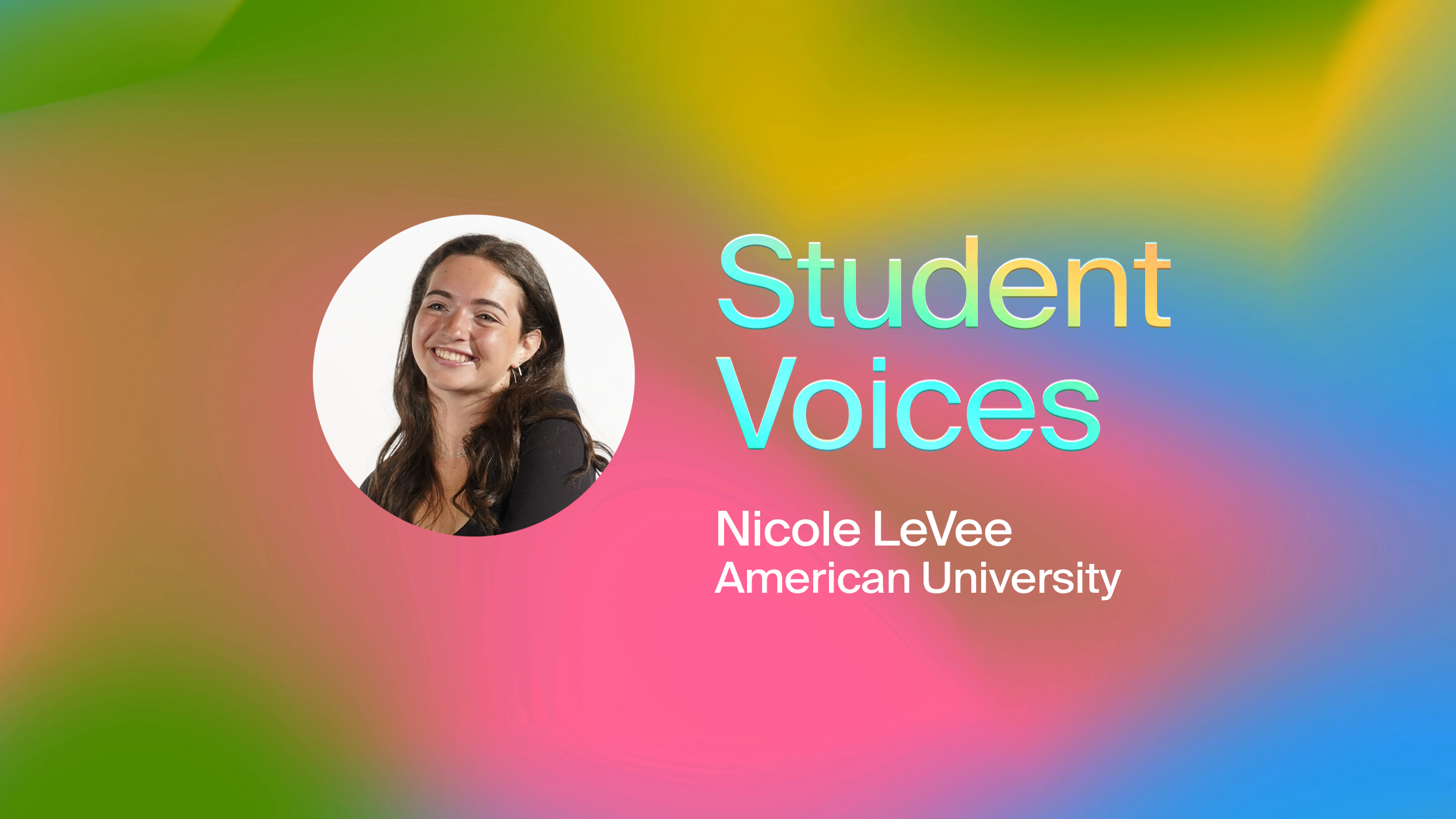
Many 18-year-olds who step onto campus hungry for possibility may not believe that four years later, they could walk across the graduation stage feeling more uncertain than ever. While it is easy to blame the students, this all-too-often outcome is reflective of the failure of a higher education system that has become exemplary at producing compliant students but far less so at encouraging creative thinkers.
As someone who feels privileged for my positive college experience and the post-graduation time that followed, I can’t help but wonder how a different set of expectations could have benefited me and my generation. What if, instead of striving for measures of output that stay with us temporarily (the conveyor belt model), we were encouraged to build intellectual capacities that stay with us forever (the creative engine model). Maybe then Gen Z would feel more engaged, more fulfilled, more productive, and more prepared for our careers.
The Conveyor Belt Model
Many colleges have done an excellent job of building a culture of pressure, comparison, and G.P.A. obsession. Often, this consists of rigid majors and predetermined career tracks. Creativity is often treated as a “less important” extracurricular, not central to learning. This results in decreased risk-taking within our learning. My post-grad friends are often reporting a LinkedIn doom scroll, chronic burnout (already), anxiety, and a loss of intrinsic motivation to “do.”
It’s not that Gen Z can’t handle college; it’s that college isn’t exactly handling Gen Z.
We grew up in a world far from predictable — with limitless information, an unstable economy, mental health challenges, environmental concerns, rapid growth in technology and media, political polarization, and socio-cultural vulnerability, especially for marginalized groups. Older generations may mistake Gen Z burnout for fragility, but I argue this interpretation misses the point. The learning ecosystem within which Gen Z currently operates is built on dated values and old assumptions. It’s not that Gen Z can’t handle college; it’s that college isn’t exactly handling Gen Z.
The Creative Engine Model
As opposed to the conveyor belt producing students who can check the boxes, fostering creative learning environments for students could help Gen Zers achieve improved wellbeing and more success entering the workforce.
Believe it or not, Gen Z students want “uncheatable projects,” as coined by educational consultant Michael Hernandez in a pedagogical philosophy I explored in my final undergraduate education course. This approach includes transitioning traditional assignments into multimedia projects where the motivation is the experience itself, not the output (the grade). This drives student engagement and works against the conveyor belt model. It encourages intrinsic curiosities and passions, rather than shallow memorization, translating into longer-lasting learning. It avoids the infinite “Whac-A-Mole” (referenced by Hernandez) of repetitively policing new shortcuts students use — especially as A.I. tools rapidly evolve — as the desire to learn comes from within. In this model, students can strategically implement tools to improve their work, rather than resorting to abusing them. The truth is if Gen Z students want to cut corners, they will figure out how to do so quicker than educators can ever stop them. This method faces that head on, utilizing purpose and personal connection.
Creativity and passion must be treated as learning priorities, rather than extracurricular activities that come second to classroom work. My peers hustled in their internships, extracurricular activities, and jobs; yet we were trained to say, “School comes first.” Shouldn’t they both matter? How can these extracurricular learning opportunities work hand in hand with class to enhance one another? Think back to high school: Can you recall the answers from a random exam? Likely not. How about your favorite field trip or project? More likely. The same cognitive processes of creating long-lasting learning align from younger to older ages, especially when uniquely tailored to the students to feel more meaningful and less flat.
Please, encourage us to fail.
Often, the penalization of making mistakes in the current system makes it undesirable to fail. In that context, no one would take the risk to mess up. One way to combat this is through less conventional, interdisciplinary studies. The less binary the answers, the better. This is more holistically reflective of the real world we live in after all. Another is through ensuring students are met with an elaborate support system of relationships that make them feel safe enough to fail. This support system is essential — a mutual system of care. We are constantly encouraged not to fail but seldom learn how to fail, learn, and recover.
A great example of this is the makerspace model.
A makerspace is a welcoming, hands-on environment with tools and resources to collaboratively design, explore, tinker, and create. Access and encouragement to use this kind of model should be broader than just in STEAM (science, technology, engineering, art, and mathematics), as it trains us to navigate uncertainty and to problem solve with confidence and resilience in a community.
As we add risk to our education journey, we ask that educators in higher education do the same. Changing a system is unpredictable and entering the unknown is often not a desirable route. But, we cannot keep fostering the conveyor belt culture when learners’ potential deserves so much more, particularly in these rapidly changing times. Educators and students alike must agree to learn together through a transition, taking reflective and precise note of what works and what should be changed.
We need a more humane and timely college experience to better prepare students to walk the graduation stage.
One that treats creativity as an essential skill, not a hobby.
One that treats risky exploration as productive, not wasteful.
One that avoids treating students as empty vessels to be filled with information to reproduce.
This may not change the job market that Gen Z faces, but creating the opportunity to support young people to tackle the complex issues of today’s society far better prepares them for the post-graduation transition they face. We have the potential to graduate an energized cohort of young people by imagining boldly, questioning deeply, and re-building creatively. I am inspired by my generation, and our post-secondary education system should consider how to more effectively support our potential.
Nicole LeVee graduated from American University in 2025 and is pursuing her master’s degree in learning development and family services at the University of Colorado Denver.
Emily Roper Doten
This story from Olin’s former dean of admissions and financial aid Emily Roper-Doten (now dean of admissions at Brandeis University) recounts a key moment in her own time as a first-generation college student when socioeconomic class differences became starkly evident to her — and the ways in which that moment has shaped her career-long commitment to equity.
To learn more about Storytelling, visit Olin College’s Story Lab website here.
“Decoding the Rules” by Amon Millner
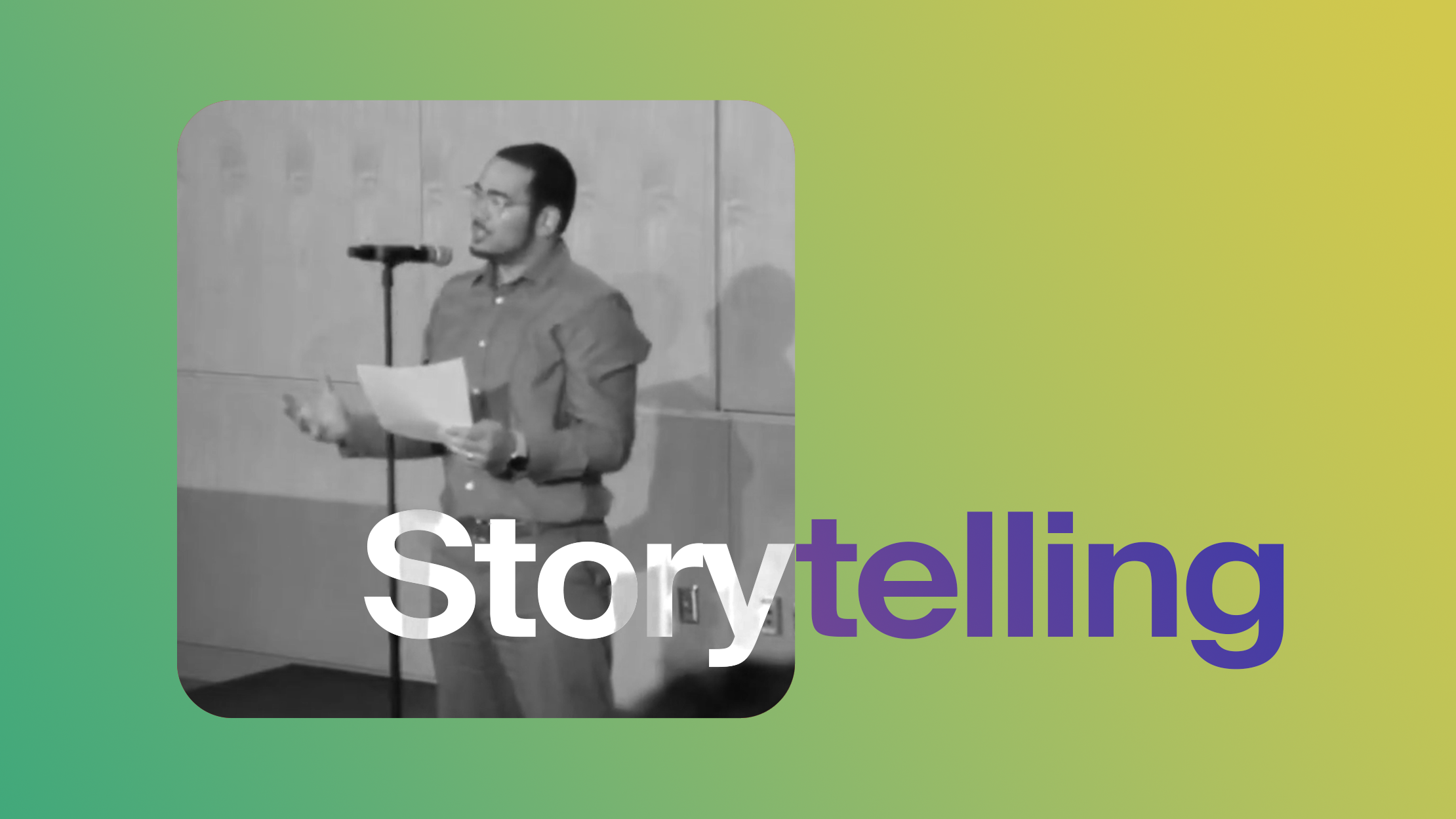
This story from Olin professor of computing and innovation Amon Millner recounts the origins of his investment in changing the computer systems that govern our world. He takes us from his divorced parents’ very different homes to a fateful moment at a carnival to his current work in computing, linking the personal and the cultural.
To learn more about Storytelling, visit Olin College’s Story Lab website here.
Building a More Caring University
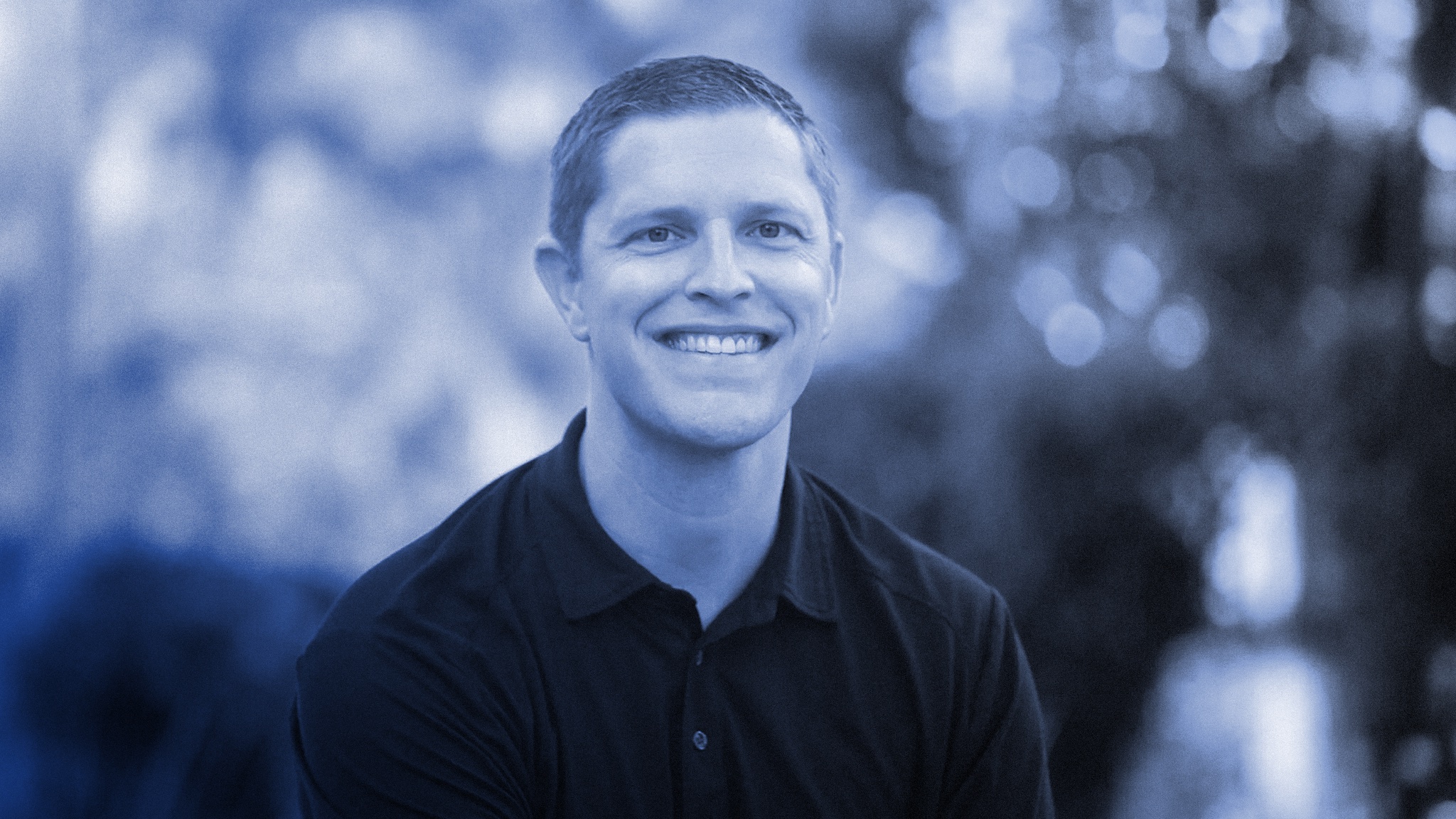
Like many educators during the pandemic, Kevin R. McClure felt the burnout. Faculty members were juggling research and leadership responsibilities, teaching and helping students, while navigating their own personal issues and watching colleagues struggle. As chair of the Department of Educational Leadership at the University of North Carolina at Wilmington, he began writing and speaking about these challenges and the coinciding tide of resignations. Institutional leaders and journalists tuned in for insight into why so many employees were disengaging — and what colleges could do differently to retain their people.
Those conversations culminated in “The Caring University: Reimagining the Higher Education Workplace After the Great Resignation” (2025), a book that argues burnout is not an individual failure but a signal of deeper organizational problems. His research on college leadership, workplace culture, and organizational care helps campus leaders to build institutions where doing meaningful work isn’t to their own people’s detriment.
LearningWell connected with McClure to discuss what it looks like when a university takes steps to prioritize its employees and the difference that effort makes in engagement.
LW: Let’s start by looking at what it means for a university to be a caring institution. Why are we talking about this for higher education in a way that differs from, say, a grocery store chain?
KM: Higher education has not done a great job of prioritizing the wellbeing of staff and faculty. That’s not to say that it is worse than other industries per se, but we aren’t knocking it out of the park. Based on data that I collected through interviews with over 150 staff, faculty, and leaders across the country, what I heard over and over again was this question about whether or not this is a place that really cares about me. There was a feeling that they were expendable — that their health came second or third to other priorities that the institution had — and it was willing, in some cases, to sacrifice the health of some employees. This was particularly evident during the pandemic. We’d see a certain kind of comfort with the idea that we’re just going to lose people and either not replace them and absorb some of those cost savings or just repost the position expecting that people will line up to take it — a kind of churn and burn.
As I was doing these interviews, I heard a fair amount of pain from people on a regular basis. These are institutions that are dedicated to human growth and development, and we should be the world leader as employers. There was a time where we had the ability to point to indicators that we are leaders in certain regards, and that’s harder to claim today. And so it’s really an invitation for those of us that work in higher ed — those of us who are leaders in higher ed — to say we can do better than this.
“There was a feeling that they were expendable — that their health came second or third to other priorities that the institution had.”
LW: What did the great resignation look like in higher ed, and what did it reveal about universities as a workplace?
KM: We certainly saw a number of people who left, and there was pretty heavy recruitment of people into ed tech as kind of an adjacent industry selling products and services to higher education. And we saw a number of people looking for places better aligned with their values or places where they might get slightly better pay or slightly more flexibility. And so similar to other parts of the great resignation, it wasn’t necessarily people leaving work all together so much as it was this kind of great shakeup of people moving jobs.
The part that makes it somewhat unique is that higher education employees don’t always have a ton of mobility options. They may be in a particular field where there are only a handful of jobs open in a given year, and their ability to just move somewhere else is quite limited. A fraction of them have job security through a tenure system, which only actually works out to about a quarter of faculty. So in higher education, a great resignation looks a little different because of these other dynamics at play. The question becomes: What are we as an institution going to do differently to attract and keep really talented people? And very often, the answer was that there wasn’t much of anything happening in response to that.
LW: Your book makes a strong case that employee wellbeing is foundational to student wellness and institutional success. What does that look like on campus? How do students and the whole school benefit when faculty are happier and doing well?
KM: When you look at some of the things that we know about student success, they include things like sense of belonging, a sense of mattering, doing work that is meaningful, feeling included, and getting engaged in the life of the institution. They’re all concepts that have a similar if not identical concept when it comes to retaining and attracting employees. And it’s because a lot of these things are just base-level, fundamental components of what humans need in order to be healthy and thrive. As we’ve had all these conversations about student success, I’ve been trying to point out the fact that these are all things that are good for employees as well. We don’t have to just think of them as things for students. What this book is trying to do is to push us to not necessarily think in terms of specific populations but to say we are a community of learners, and we ought to be thinking across the entire organization about some of these things. And if we do that, I think we are going to see downstream benefits and outcomes for students.
You know, students are smart and perceptive, and they pick up on when an institution is thinly staffed and when faculty and staff seem really stressed. They’re able to pick up on P.R. spin and prestige games that institutions play. And they have an awareness, I think, of an institution where things are imbalanced, and they can feel it really acutely when somebody leaves — when they lose a mentor or someone on campus that has been important to them. And so if we think about foundational conditions for a community to do well and to be well, we need to say instead that this is something that’s good for everybody.
LW: You’re clear that care isn’t a matter of band-aid solutions like extra wellness days. What does institutional care look like when it’s embedded in policies and structures beyond encouraging people to, say, make sure they get out and take a walk?
KM: Institutions have often relied on that more individualized type of response to challenging workplace conditions: Don’t overwork. Don’t say yes to too many things. As you put it, go take a walk. We’ve put a lot of onus on individuals to navigate through this themselves, and my argument is not necessarily that we should throw out self-care. Everybody should be thinking about the choices that they’re making.
But when you look at the root causes of some of these workplace problems, they are often structural and cultural — a reflection of choices that we make across the organization, our strategic planning, and the priorities that we set. When we set goals, we need to ask how they are going to affect our people and what additional capacity we are asking of them as a result. It means looking at some of our practices and policies and whether they’re really designed for the realities of living, breathing humans with caregiving responsibilities and health limitations. Oftentimes, our practices and policies are designed for people that are robots or don’t have any kind of demands of a body.
LW: In the book, you critique the idea of the “ideal worker” in higher education — the myth of the teacher constantly available to be a life-changing mentor for students. How does this myth of “The Giving Tree” professor affect not only employees but also the learning environments we create for students?
KM: There is a real need for us to be thinking about workload and establishing some real guardrails to prevent that sort of thing from happening. Yes, it’s up to people on their own to parse out how they should be handling these things. But often we’ve got reward and recognition systems that are based on the idea that the more productive and performative that you are, the more likely you are to be recognized, so there’s kind of an inbuilt incentive for people to go above and beyond. We don’t want to take away incentives for honoring work that is good and valuable to the institution. But we also don’t want to suggest that just because someone is setting some healthy boundaries on what they take on that they are considered someone who’s not pulling their weight.
“We don’t want to suggest that just because someone is setting some healthy boundaries on what they take on that they are considered someone who’s not pulling their weight.”
LW: It’s hard to determine what an appropriate level of engagement is — how much to put yourself out there and pull your weight — particularly when we’re talking about supporting students and colleagues. Is there a way the university could be better involved in modeling expectations?
KM: Of course there’s some nuance with this, and it gets a little bit complex, but I do think that there is a role to be played by leaders in modeling what this can look like. When there’s an opportunity for any of us in leadership roles to show what a healthy boundary looks like for newer people that are coming in, it makes it a little bit easier for them to make that choice — to not feel like they’re going against the grain — because this is the norm. If we as leaders have a situation where someone is clearly overwhelmed, we need to take some steps to help and say, “Hey, you’ve got too many students that you’re mentoring right now. Our norm is closer to eight, and we see that you’ve got 15. Let’s figure out a system so that we can better distribute this so it’s not entirely on your shoulders.”
LW: What makes it harder is that it’s personal. Employees aren’t building widgets. They’re investing time in helping colleagues or developing a young person in their field looking for guidance.
KM: All of it’s very personal. The reality is that most of us are people who got into this work because we really believe it’s important. It’s meaningful to us. So much of our scholarly work is collaborative, and we have commitments and obligations to other people. It feels very hard sometimes to pull back on that because it feels like you’re risking some of those relationships or failing to show up for people you care about.
But again, there’s a real role in setting healthy expectations — expectations for people who are seeking promotion, for example, that aren’t over the moon, but reasonable.
LW: Higher education tends to be good at measuring enrollment, retention, and revenue. How could institutions think differently about measuring wellbeing — for employees and students — and following through?
KM: A basic level is we probably should be collecting more data that better gets at the employee experience. Right now, we do very little of this beyond a periodic employee engagement survey. There might be some exit interviews that happen as someone leaves, but even that can be very sporadic. And so the bar right now is quite low in terms of what we do. Anything that we do above that is going to be a step in the right direction. Then, once we better understand who our employees are and what their experience is on the job, we can make sure we’ve got capacity to analyze that data and that it doesn’t just sit on a shelf.
“People have to start believing that this is a system worth investing in.”
We have at our disposal at colleges and universities people who are trained in social science research, and there’s no reason why we couldn’t be figuring out some better ways of designing studies to better understand the employee experience and improvements that we can make. Too often institutions collect data, but then they don’t act on it. And then people lose faith that this is a process that’s going to lead to change, and then they opt out of doing it in the future. People have to start believing that this is a system worth investing in.
LW: Do you have some examples of universities doing it well?
KM: Almost every positive example in the book begins with some type of data collection effort. They are starting from a position of: “Let’s get a better handle on what the problem is — specific to our institution, our culture — and then let’s design something that speaks specifically to us.”
One of the issues that I flag in the book is about the lack of career advancement and career pathways. There’s a great example from Miami University in Ohio where a marketing communications department had lost a significant number of people. They began with an employee culture survey, and through that, they identified that the biggest issue was people felt like there wasn’t room to grow, particularly people that were not interested in being supervisors. From that, they designed a new career pathway model — one for people that wanted to supervise and one for folks that didn’t. There is another example at the University of Louisville that identified the need to pay better attention to the employee experience. They now have a dedicated staff that is working on better onboarding, better recognition systems, better employee training, and I think that has been a smashing success.
LW: It’s such a time of change right now. Are there already new things you wish you could add or adjust in the book?
KM: I feel like I should write an epilogue! We’re in a moment that makes all of this more complicated. I mean, how do you show care for people that are coming to join your faculty from other countries, when it doesn’t feel like the door is quite as open or students that have come here to study are being detained?
Politically speaking, we have institutions that have had sources of revenue disrupted or cut, so they have less to work with. It’s very difficult to try to pursue a model of organizational care at the same time that you’re laying people off. We have spaces where there’s real challenges with enrollment decline.
A lot of this is not symbolic or hypothetical anymore, and we will see the consequences of that over time. That’s the world we live in right now, and those of us still in it are trying to do the very good work with students, and remain hopeful.